Tooth enamel is the body’s toughest defense—harder than bone and designed to protect your teeth from daily wear, temperature extremes, and harmful bacteria. But despite its strength, tooth enamel can’t regenerate once it’s damaged. Unlike skin or bone, it lacks living cells, meaning it can’t repair itself. The good news? While you can’t grow back lost enamel, you can remineralize weakened areas, stop further erosion, and restore function using science-backed methods.
Millions of people unknowingly suffer from early enamel erosion due to acidic diets, dry mouth, or aggressive brushing. Symptoms like sensitivity to cold drinks, yellowing teeth, or chipped edges are silent warnings. The key to preserving your smile lies in early detection, consistent remineralization, and professional care.
This guide breaks down exactly how to fix tooth enamel—covering everything from fluoride and nano-hydroxyapatite toothpastes to dental bonding and crowns—so you can protect your teeth and reverse early damage before cavities take hold.
Recognize Enamel Damage Early
Catching enamel erosion in the early stages can prevent painful, expensive dental work later. Most people don’t notice symptoms until significant wear has already occurred. Knowing what to look for helps you act fast.
Spot the Warning Signs
- Tooth sensitivity to hot, cold, or sweet foods
- Yellowish discoloration as the underlying dentin becomes visible
- Rough or chipped edges, especially on front teeth
- Transparency at the tips of front teeth—a classic sign of thinning enamel
- Cupping—small dents or indentations on chewing surfaces
- Shiny, smooth spots on the tooth surface, indicating mineral loss
Pro Tip: If you wince when drinking ice water or biting into a candy, you may already have early-stage enamel erosion.
Stages of Enamel Loss

| Stage | What Happens |
|---|---|
| Mild | White spots appear due to surface demineralization; often reversible |
| Moderate | Increased sensitivity, minor chipping, texture changes |
| Severe | Visible thinning, cracks, structural weakness, high risk of decay |
Once a cavity forms, natural repair is no longer possible. That’s why early detection is critical.
Boost Natural Remineralization
While enamel can’t regrow, your body has a built-in repair system: saliva. It neutralizes acids and delivers calcium and phosphate back to weakened enamel. You can significantly enhance this natural process with simple daily habits.
Stimulate Saliva Flow
Saliva is your mouth’s natural shield. Low flow—often caused by medications, dehydration, or mouth-breathing—speeds up erosion.
Daily actions to boost saliva:
– Chew sugar-free gum with xylitol after meals
– Drink water throughout the day
– Eat fibrous foods like apples, carrots, and celery
– Avoid chronic mouth-breathing, especially at night
Fact: Xylitol reduces acid-producing bacteria by up to 30%, making it a powerful ally in enamel protection.
Wait Before Brushing After Acid Exposure
Brushing immediately after consuming soda, citrus, or wine can strip away softened enamel. Wait 30 minutes to 1 hour to let saliva reharden the surface.
Instead:
– Rinse with water right after eating or drinking acidic items
– Swish with a baking soda solution (¼ tsp in water) to neutralize acid
– Chew xylitol gum to stimulate saliva while you wait
Use Effective Remineralizing Products

Not all toothpastes are created equal. To strengthen enamel, choose products with active ingredients that actively rebuild mineral structure.
Choose Fluoride Toothpaste
Fluoride remains the gold standard in enamel protection.
What to look for:
– At least 1,000 ppm fluoride
– ADA Seal of Acceptance
– Stannous fluoride for added antibacterial and sensitivity benefits
Brush twice daily—consistency is key.
Warning: Children under 8 should use only a pea-sized amount to avoid fluorosis (white spots on developing teeth).
Try Advanced Remineralizing Ingredients
Newer technologies go beyond fluoride to mimic natural enamel.
Nano-Hydroxyapatite (nHA)
- Chemically identical to natural enamel crystals
- Fills microscopic pores and repairs early lesions
- Reduces sensitivity in as little as 2 weeks
- Found in brands like Boka, RiseWell, and Orasana
CPP-ACP (Recaldent / MI Paste)
- Delivers calcium and phosphate deep into enamel
- Used by dentists for high-risk patients
- Apply after brushing for targeted repair
Amorphous Calcium Phosphate (TCP)
- Stabilized mineral delivery system
- Often added to toothpastes and mouthwashes
Expert Note: Use these products daily for 3–6 months to see measurable improvement. Remineralization is a slow, cumulative process.
Optimize Your Diet for Stronger Teeth
Your diet plays a direct role in enamel health. Acidic and sugary foods accelerate erosion, while smart choices support natural repair.
Avoid High-Risk Foods and Drinks
These dissolve enamel over time:
– Soda (even sugar-free versions)
– Energy and sports drinks
– Citrus juices (orange, lemon, grapefruit)
– Wine and vinegar-heavy dressings
– Sour candies and gummy snacks
Shocking Fact: Some fruit juices are more erosive than battery acid due to their low pH.
Protect Teeth During Acidic Meals
You don’t have to give up all favorite foods—just minimize damage.
Smart habits:
– Use a straw when drinking acidic beverages
– Consume acidic foods during meals, not alone
– Finish with cheese or milk—they neutralize acid and supply calcium
– Rinse with water afterward
– Avoid sipping over hours—limit acid exposure time
Pro Tip: Cheddar cheese raises oral pH and boosts calcium levels—eat a small piece after dessert.
Stop Harmful Habits That Wear Enamel
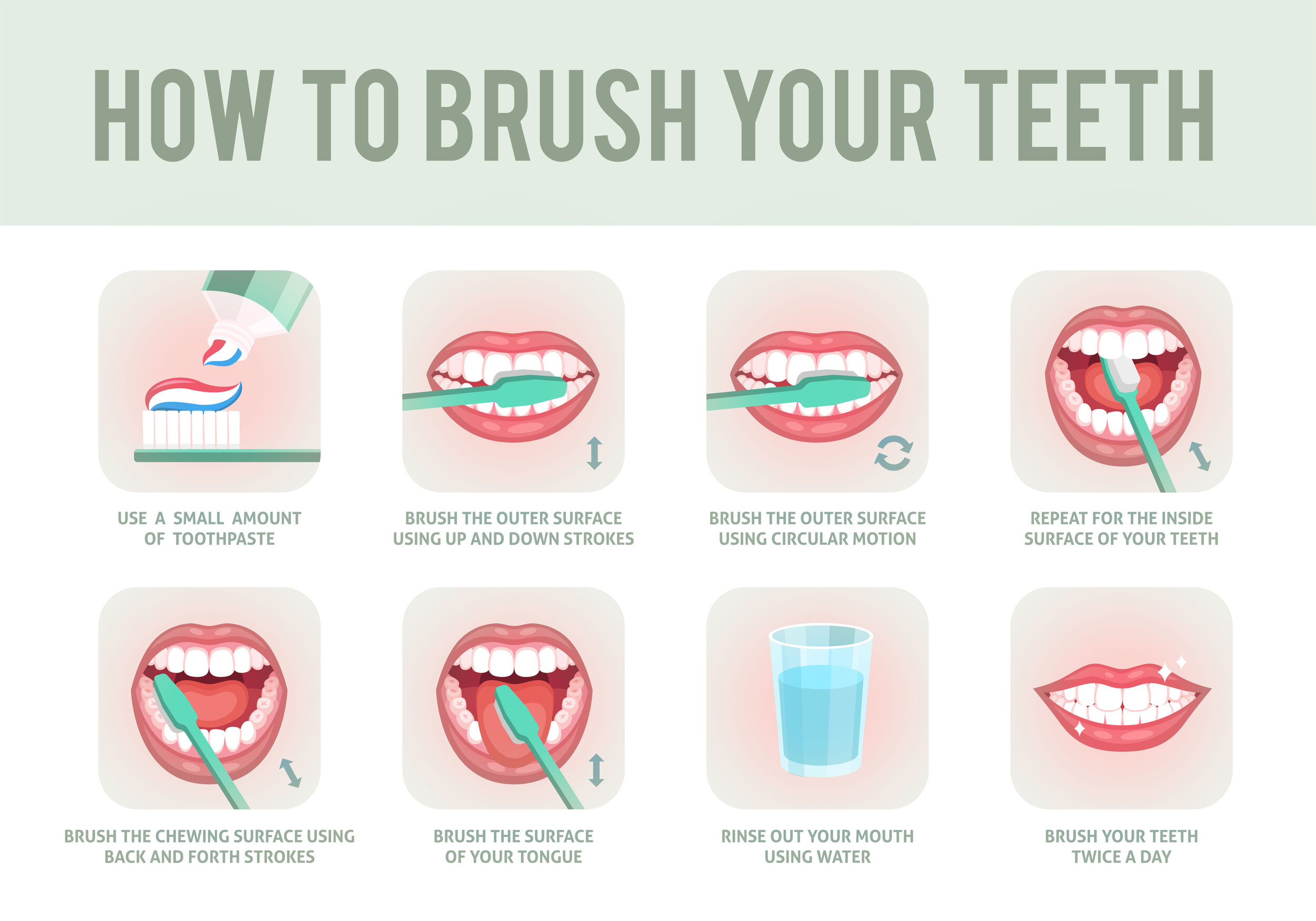
Even with excellent hygiene, certain behaviors accelerate enamel loss. Fixing them is essential for long-term protection.
Don’t Brush Too Hard
Aggressive brushing causes abrasion—especially near the gumline.
Fix your technique:
– Use a soft-bristled toothbrush
– Apply gentle, circular motions
– Hold the brush at a 45-degree angle to gums
– Replace your toothbrush every 3–4 months
Visual Cue: If bristles flare out after just a few weeks, you’re pressing too hard.
Ditch the Ice and Hard Objects
Chewing ice, pens, or fingernails creates microfractures that weaken enamel.
Other risks:
– Opening packages with your teeth
– Nail-biting
– Chewing popcorn kernels
Switch to safer alternatives and protect your enamel.
Treat Bruxism with a Night Guard
Grinding or clenching (bruxism) wears down enamel fast—often without you realizing it.
Signs you might grind:
– Worn, flat teeth
– Morning jaw pain
– Headaches upon waking
– Partner hears grinding at night
Solution: Get a custom-fitted night guard from your dentist. Over-the-counter versions offer less protection and can misalign your bite.
Get Professional Dental Treatments
When home care isn’t enough, dentists offer targeted solutions to restore strength and appearance.
Fluoride Varnish Applications
Stronger than toothpaste, professional fluoride treatments rebuild early damage.
How it works:
– Painted on during dental visits
– Stays in place for hours, releasing fluoride slowly
– Ideal for white spot lesions or high decay risk
Typical cost: $20–$100 per session. Often covered by insurance.
Dental Bonding for Minor Damage

Fix small chips, cracks, or eroded areas with composite resin.
Benefits:
– One-visit procedure
– Minimal enamel removal
– Matches natural tooth color
– Cost: $300–$600 per tooth
Best for front teeth with cosmetic concerns.
Veneers for Moderate to Severe Erosion
Porcelain or composite shells cover the front of teeth.
Ideal if you have:
– Yellowed, translucent, or shortened front teeth
– Multiple chipped or worn edges
– Sensitivity from exposed dentin
Cost: $800–$2,500 per tooth. Long-lasting but irreversible.
Crowns for Severely Damaged Teeth
When enamel loss compromises structure, crowns provide full protection.
Used for:
– Teeth with large fillings or cracks
– Post-root canal teeth
– Severe wear from grinding
Materials: Porcelain, zirconia, or metal-ceramic.
Cost: $1,000–$3,000+ per crown.
Note: Crowns require shaping the remaining tooth—preserving natural enamel is always better.
Prevent Future Enamel Loss
The best way to “fix” enamel is to stop damage before it starts. Build a sustainable routine that protects your teeth for life.
Daily Oral Care Checklist
✅ Brush twice with fluoride or nHA toothpaste
✅ Floss daily to remove plaque between teeth
✅ Use remineralizing mouthwash (non-alcoholic)
✅ Chew xylitol gum after meals if brushing isn’t possible
✅ Replace toothbrush regularly
Lifestyle Adjustments That Help
- Stay hydrated to prevent dry mouth
- Quit tobacco (smoking or chewing)
- Treat acid reflux (GERD) or eating disorders—both expose teeth to stomach acid
- Manage medications causing dry mouth—ask your doctor about alternatives
Schedule Regular Dental Visits
See your dentist every 6 months for:
– Early detection of erosion
– Professional cleanings
– Fluoride treatments or sealants
– Monitoring of high-risk areas
Fact: Dentists can spot erosion years before symptoms appear using tools like DIAGNOdent lasers or transillumination.
Know What Won’t Work
Avoid wasting money on false promises. Some products claim to “regrow” enamel—but that’s biologically impossible.
Red flags:
– “Enamel regeneration” claims
– DIY hacks like oil pulling or charcoal (no evidence for repair)
– Supplements marketed as enamel rebuilders
Stick to fluoride, hydroxyapatite, professional care, and prevention—the only proven methods.
Final Note: You can’t grow back tooth enamel, but you can stop erosion in its tracks and restore strength with the right approach. Start with fluoride and remineralizing toothpastes, adjust your diet, fix harmful habits, and partner with your dentist. With consistent care, you’ll protect your smile for decades—even if your coffee habit isn’t going anywhere.