Losing teeth can be emotionally and physically overwhelming—especially when the idea of surgery feels too daunting. Many people search desperately for ways to restore their smile without going under the drill or enduring extractions. So, is it possible to get dentures without tooth extraction? The answer is yes—but only under specific conditions.
While traditional full dentures require all compromised natural teeth to be removed, there are non-surgical alternatives that allow you to wear a prosthesis while preserving your remaining teeth or even their roots. These include partial dentures, over-dentures on preserved roots, snap-on smiles, dental bridges, and temporary overlay prostheses. None of these options eliminate the need for eventual extractions if your teeth are severely damaged or infected—but they can offer functional, cosmetic, or transitional relief when immediate surgery isn’t feasible due to fear, finances, or health concerns.
This guide breaks down every safe, dentist-approved way to get dentures without pulling teeth, who qualifies, how each option works, and what risks to watch for. You’ll also learn how to avoid scams, find affordable care, and plan a path toward long-term oral health—without rushing into surgery before you’re ready.
Partial Dentures That Keep Natural Teeth
Removable Partials for Missing Teeth
If you still have healthy or stable teeth, a removable partial denture is one of the most effective ways to replace missing teeth without extraction. Unlike full dentures, partials are designed to work around your natural teeth, using clasps or precision attachments to anchor in place.
These are ideal if you’ve lost molars or back teeth but still retain solid front teeth—or vice versa. As long as at least 2–3 natural teeth remain infection-free and firmly rooted, they can support a partial. Your dentist will evaluate which teeth can act as reliable abutments before proceeding.
Partials are custom-made from impressions of your mouth and can be worn on the upper or lower jaw—or both. They restore chewing ability (especially for soft foods), improve speech, and prevent remaining teeth from shifting out of position.
Types of Partial Dentures
There are three main types of partial dentures, each with pros and cons:
| Type | Best For | Durability | Aesthetics |
|---|---|---|---|
| Acrylic with metal clasps | Budget option, short-term use | Moderate | Visible metal hooks |
| Cast metal framework | Long-term stability | High | Strong but visible metal |
| Flexible (e.g., Valplast®) | Front teeth, sensitive gums | Medium | Nearly invisible, gum-colored |
Flexible partials like Valplast are popular for their comfort and natural appearance, especially for replacing front teeth. However, they’re not recommended for people who grind their teeth or chew hard foods regularly, as they can warp or break over time.
How to Get a Partial Denture
The process typically involves four key appointments:
- Dental evaluation: Your dentist checks the health of remaining teeth and gums.
- Impressions and bite registration: Custom molds are taken to ensure a precise fit.
- Try-in appointment: You test a wax model for bite alignment and aesthetics.
- Final fitting: The completed denture is placed and adjusted over follow-up visits.
Pro tip: Always remove your partial at night. Wearing it 24/7 increases the risk of gum irritation, bacterial buildup, and decay in supporting teeth.
Risks of Poor Maintenance
Even though partials preserve natural teeth, they can accelerate dental problems if not cleaned properly. Food particles often get trapped around clasps, increasing the risk of cavities and gum disease. To protect your oral health:
– Brush your natural teeth thoroughly after every meal
– Soak and clean the denture daily with a non-abrasive solution
– Visit your dentist every 6 months for checkups and adjustments
Over-Dentures on Preserved Tooth Roots
Keep Roots, Skip Full Extraction
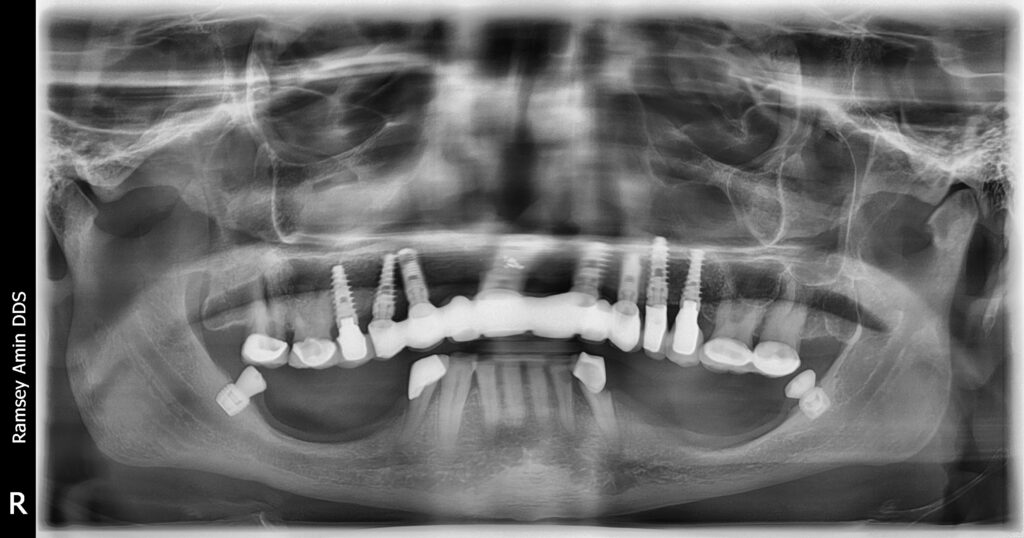
An over-denture offers a powerful alternative when tooth crowns are destroyed but the roots remain healthy. Instead of extracting everything, your dentist performs root canals on selected teeth, removes the visible portion (crown), and caps the preserved root. The denture then fits snugly over these stumps, providing superior stability and jawbone protection.
This option is ideal if:
– Your tooth crowns are broken or decayed beyond repair, but roots are intact
– X-rays show no infection or bone loss around the roots
– You want to delay full extractions for medical, emotional, or financial reasons
Why Root Preservation Matters
Teeth roots play a crucial role in stimulating the jawbone. When roots are removed, the bone begins to resorb—up to 40% in the first year alone. Over-dentures reduce this bone loss by up to 75%, helping maintain facial structure and making future implants easier.
Expert insight: “Over-dentures on natural roots are one of the best ways to maintain bone and function when full extraction isn’t immediately possible.” — Prosthodontist, Reddit comment
Procedure Steps
- Root evaluation: Dental X-rays assess root health and viability.
- Root canal treatment: Infected pulp is removed, and the root is sealed.
- Tooth trimming: The crown is cut down; the root is covered with a protective coping.
- Impressions: A custom denture is fabricated to fit over the stumps.
- Placement and adjustment: The denture is delivered and fine-tuned over several visits.
Long-Term Care Requirements
Root stumps require lifelong monitoring. Without regular cleanings and checkups, they can develop cysts, infections, or abscesses. To ensure success:
– Maintain excellent oral hygiene
– Avoid chewing hard foods directly on the stumps
– Schedule dental exams every 6 months
Snap-On Smile: Instant Cosmetic Cover Without Surgery
Aesthetic Fix for Damaged or Gapped Teeth
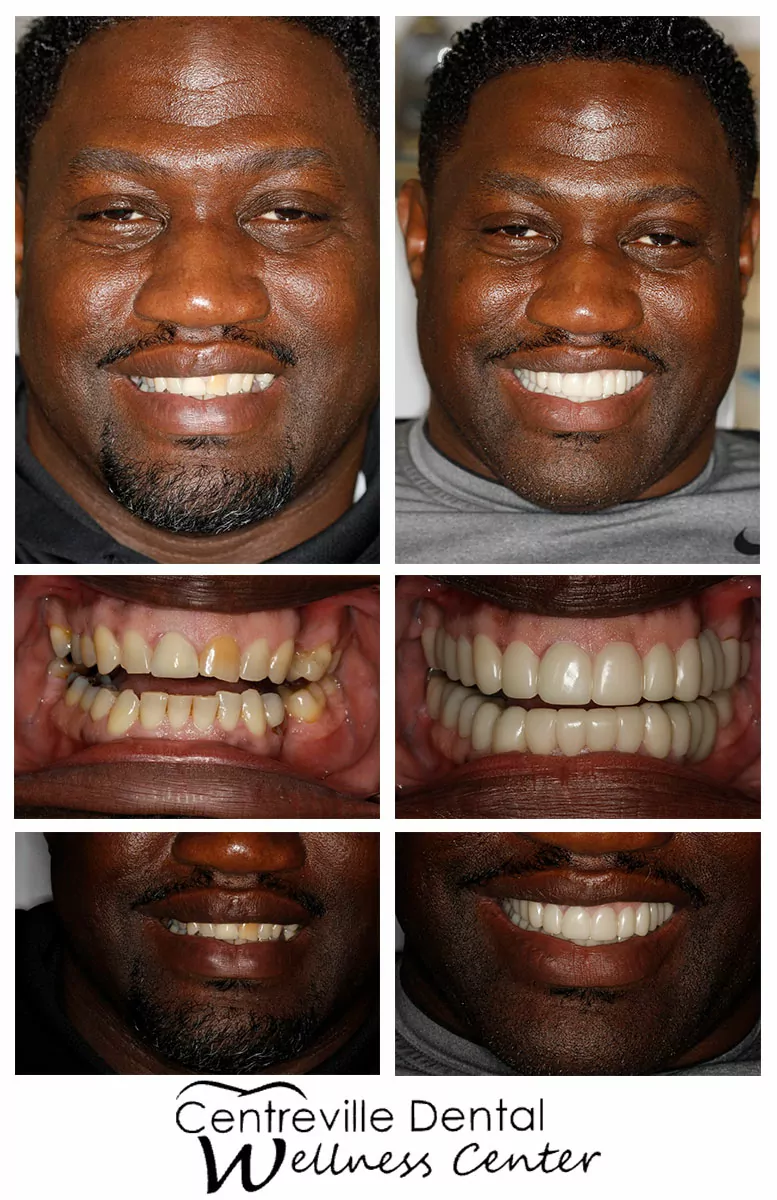
A snap-on smile is a thin, removable dental arch that clips over your existing teeth to create a more attractive appearance. It’s not a functional denture—you can’t eat steak with it—but it’s perfect for job interviews, holidays, or family photos.
Available in three tiers:
– Drugstore versions ($20–$50): One-size-fits-all, poor fit
– Online custom kits ($300–$1,200): Better fit using at-home impressions
– Dentist-made ($1,000–$3,000): Lab-fabricated, durable, allows soft food eating
Who Should Use It?
- People with broken, stained, or gapped teeth
- Those delaying extractions due to fear or financial constraints
- Anyone needing a temporary confidence boost
Warning: Never wear a snap-on smile over decayed or infected teeth. It can trap bacteria and worsen gum disease.
How to Get One Safely
- Avoid TikTok or Instagram ads promising “no-extraction dentures”—many are scams.
- Choose a dentist-provided Snap-On Smile® or Instasmile for best results.
- Wear only a few hours per day and never while sleeping.
Real user experience: “I wore mine to Christmas dinner. My family had no idea. But I wouldn’t use it long-term—it’s too risky if your mouth is already unhealthy.”
Temporary Overlay Dentures Without Extraction
Transitional Prostheses for Phased Treatment
Some dentists offer temporary overlay dentures as part of a staged treatment plan. These are typically used when only some teeth need extraction. For example:
– You extract the worst 2–3 teeth first
– A denture is made to replace them, while fitting around healthier ones
– Later, when ready, the remaining teeth are removed and the denture relined
When It’s Feasible
- Not all teeth are beyond saving
- Remaining teeth are stable and infection-free
- You need immediate aesthetic restoration
Risks and Limitations
- Can cause pressure sores if poorly fitted
- May damage supporting teeth due to uneven forces
- Requires frequent adjustments and close supervision
Bottom line: This is not standard care, but some clinics offer it as a bridge to full treatment.
Dental Bridges: Fixed Option Without Extraction
Replace Gaps, Keep Healthy Teeth
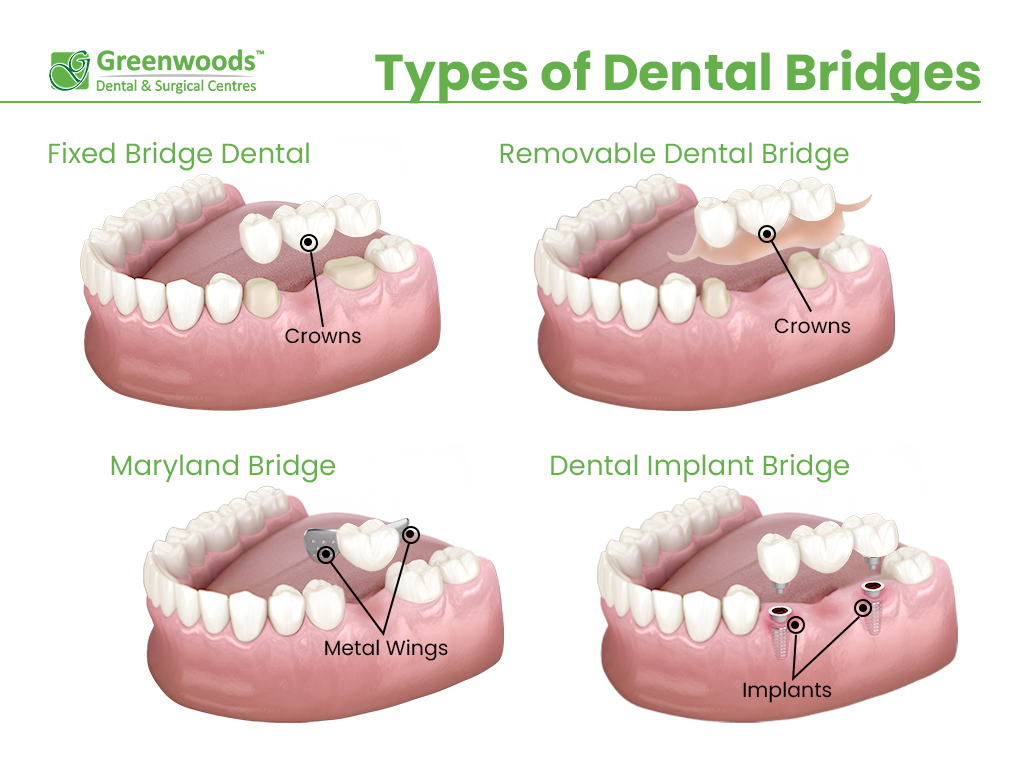
A dental bridge is a fixed prosthesis that fills a gap by anchoring to adjacent natural teeth. It doesn’t require extracting those teeth—only reshaping them slightly to support crowns.
Types include:
– Traditional bridge: Strong, but requires grinding down healthy teeth
– Maryland bridge: Minimal prep, bonded with metal wings—ideal for front teeth
– Cantilever bridge: Used when only one side has a supporting tooth
Candidacy Criteria
- You must have strong, decay-free abutment teeth
- The gap should be small (1–2 missing teeth)
- Not suitable if supporting teeth are loose or infected
Pros and Cons
✅ No surgery
✅ Permanent fit (no removal)
✅ Natural chewing ability
❌ Requires altering healthy teeth
❌ Can fail if abutments decay
❌ Not a full-arch solution
Grills and Cosmetic Covers (Non-Functional)
Fashion Over Function
Grills—often made of metal or acrylic—are worn over teeth for style, not function. Some use them to hide missing or broken teeth during events.
However, they trap plaque and can accelerate gum disease and decay.
User warning: “I got a custom grill to cover my broken teeth. It looked cool at the party, but my gums got inflamed within days.”
Use only occasionally and never as a long-term solution.
Risks of Avoiding Tooth Extraction
Hidden Dangers of Delaying Surgery
While non-extraction options offer temporary relief, ignoring infected or dying teeth is dangerous. Risks include:
- Bone loss: Accelerates once teeth are non-functional
- Systemic infection: Bacteria can enter the bloodstream
- Pain and swelling: Abscesses can lead to emergencies
- Sinus involvement: Upper tooth infections can spread
Hard truth: “If your teeth are infected, no cosmetic cover will fix that. You’re just delaying inevitable extractions—and risking your health.” — Dental technician, Reddit
Scams to Avoid: “No-Extraction Dentures” Online
Beware of TikTok and Instagram Ads
Many online ads promote “instant dentures” that claim to replace all teeth without surgery. These are often:
– One-size-fits-all molds with poor fit
– Not FDA-approved
– Choking hazards
“I bought two sets from TikTok ads. Neither fit. Wasted $300.” — Reddit user
Always consult a licensed dentist before buying any dental appliance.
Finding the Right Dentist for Non-Extraction Options
Who to See for Safe Alternatives
Look for:
– Prosthodontist: Specialist in complex dentures
– Dentist experienced in anxiety patients: More likely to offer phased care
– Dental schools or community clinics: Affordable options
Ask:
– “Can I get a partial or over-denture without extraction?”
– “Are my roots healthy enough?”
– “Can we create a staged plan?”
Final Verdict: Can You Get Dentures Without Extraction?
Yes—but only if your teeth or roots are healthy. True full dentures without extraction are not possible if all teeth are non-viable. But partial, over-dentures, and snap-ons can help—temporarily.
Bottom Line: You can get dentures without tooth extraction—if you qualify. But don’t let fear or cost delay necessary care. Work with a trusted dentist to find a safe, staged path to a healthy, functional smile.