A swollen jaw caused by a tooth infection is more than just discomfort—it’s a red alert from your body that bacteria have broken containment and are spreading. This swelling typically stems from a dental abscess, a pocket of pus formed when decay, trauma, or gum disease allows bacteria to invade the tooth pulp or surrounding tissues. As the immune system fights back, inflammation and fluid buildup cause visible puffiness, intense pain, and sometimes fever. Left untreated, this localized infection can escalate rapidly, threatening your jawbone, airway, and even your life. While home remedies like saltwater rinses and cold compresses can ease symptoms temporarily, only professional dental treatment can eliminate the infection and fully resolve the swelling. This guide gives you a step-by-step plan to manage pain, recognize danger signs, get the right treatment, and prevent future infections.
Recognize the Infection Early

Catching a tooth infection before swelling spreads dramatically improves your chances of saving the tooth and avoiding serious complications.
Signs of a Spreading Dental Infection
Watch for these key warning signs:
– Throbbing jaw pain that radiates to your ear, neck, or temple
– One-sided facial swelling, often making your cheek or jaw look puffy
– Pain when chewing or pressing on the tooth
– Fever, chills, or fatigue—signs the infection is systemic
– Swollen, tender lymph nodes under your jaw or neck
– Pus draining from the gum or a persistent foul taste
– Red, swollen gums around a specific tooth, sometimes forming a small bump (a fistula)
Critical: If swelling spreads under your tongue, to your eye, or down your neck, seek emergency care immediately. These are signs of fast-moving infections like Ludwig’s angina, which can block your airway within hours.
Why Jaw Swelling Isn’t Just “Tooth Pain”
Unlike a minor toothache, a swollen jaw means the infection has breached the tooth and invaded surrounding soft tissues or bone. The swelling is your body’s inflammatory response—immune cells rushing in, blood vessels dilating, and fluid accumulating to isolate the threat. This isn’t something that will “go away in a few days.” Without treatment, the pressure builds, pain worsens, and the risk of complications skyrockets.
Apply Immediate Symptom Relief
While you arrange dental care, use these proven methods to reduce pain and slow the infection’s spread.
Use Cold Compresses Correctly
- Wrap ice in a thin cloth and apply to the swollen area for 15 minutes, then remove for 15.
- Repeat every few hours.
- Cold therapy constricts blood vessels, reducing inflammation and numbing pain.
Never apply ice directly to the skin—it can cause frostbite. Also, avoid heat, which increases blood flow and may spread the infection.
Rinse with Warm Salt Water
- Mix ½ to 1 teaspoon of salt in 8 ounces of warm water.
- Swish gently for 30 seconds, 3–4 times daily.
- Salt helps draw out fluid, reduce bacteria, and soothe irritated tissue.
This simple rinse can provide noticeable relief and support healing after dental procedures.
Take Effective OTC Pain Relievers
- Ibuprofen (200–400 mg every 6 hours): Best choice due to its anti-inflammatory effect.
- Acetaminophen (500–1000 mg every 6 hours): Use if you can’t take NSAIDs.
- Avoid aspirin—it can increase bleeding if you need a dental procedure.
Combining ibuprofen and acetaminophen (alternating every 3 hours) can offer stronger relief under medical guidance.
Try Clove Oil for Numbing
- Soak a cotton ball in clove oil and hold it against the painful tooth for 10–15 minutes.
- Eugenol, a natural compound in cloves, acts as an antiseptic and mild anesthetic.
Caution: Do not use on broken skin or open sores—can cause irritation or chemical burns.
Elevate Your Head at Night
- Use extra pillows to keep your head above heart level while sleeping.
- This reduces blood flow to the head, minimizing throbbing and overnight swelling.
Avoid Common Mistakes at Home
Some “remedies” actually make things worse.
Don’t Apply Heat to Swollen Jaw
Heat increases circulation, which can accelerate the spread of infection. Save warm compresses for after the infection is under control—only cold is safe during active swelling.
Never Pop or Puncture the Swelling
Draining pus at home introduces more bacteria and can push infection deeper. This can lead to scarring, increased pain, or even sepsis. Leave drainage to professionals.
Skip Sugary or Hard Foods
- Avoid chewing on the affected side.
- Steer clear of sticky, sugary, or crunchy foods that feed bacteria or irritate gums.
- Stick to soft, lukewarm foods like yogurt, mashed potatoes, or soup.
Know When to Go to the ER
Certain symptoms mean the infection is life-threatening and requires immediate emergency care.
Seek ER Care If You Have:
- Difficulty breathing, swallowing, or speaking
- Swelling that spreads to the neck, eye, or under the tongue
- High fever (over 101°F) with confusion or dizziness
- Inability to open your mouth fully (trismus)
- Rapidly worsening facial puffiness
These could indicate Ludwig’s angina, sepsis, or deep space infections—all requiring IV antibiotics and possible surgery.
What Happens in the Emergency Room?
- You’ll likely receive IV antibiotics to stop infection spread.
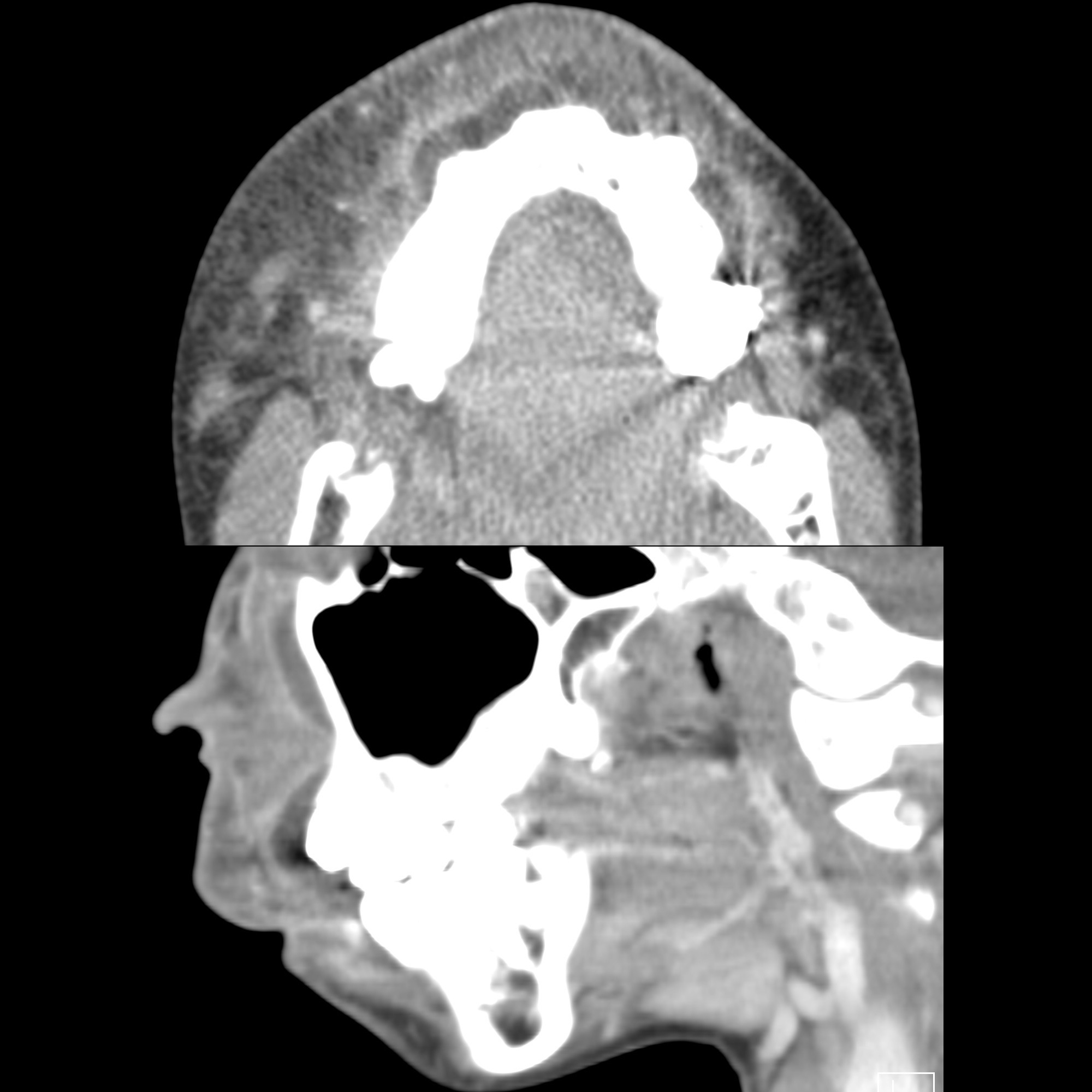
- Doctors may order a CT scan to assess abscess size and spread.
- An oral surgeon may drain the abscess in a sterile environment.
The ER stabilizes you, but dental follow-up within 24–48 hours is mandatory.
See a Dentist Immediately
Even if symptoms improve with antibiotics, you still need dental treatment to remove the source of infection.
What the Dentist Will Do:
- Examine your mouth and check for tooth mobility, gum pockets, and drainage.
- Take dental X-rays to locate the abscess and assess bone damage.
- Determine if the tooth can be saved or must be removed.
Call multiple clinics if needed—many offer emergency appointments, even on weekends.
Treat the Root Cause: Professional Dental Procedures
Only these treatments can eliminate the infection and stop the swelling for good.
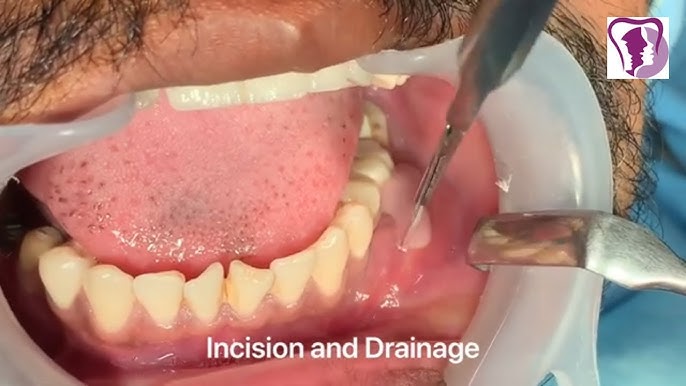
Drain the Abscess
- The dentist makes a small cut in the swollen gum to release pus.
- Flushes the area with saline or antiseptic.
- Often brings instant relief by reducing pressure.
Perform a Root Canal
- Used when the tooth is salvageable.
- The infected pulp is removed, canals cleaned and sealed.
- A crown is usually placed afterward to protect the weakened tooth.
- Success rate exceeds 90% when done early.
Modern root canals are painless—they relieve the pain caused by infection.
Extract the Tooth If Necessary

- Done when decay or damage is too severe.
- Removes the infection source and prevents recurrence.
- Follow-up options include implants, bridges, or dentures.
Deep Clean for Gum Infections
- For periodontal abscesses, scaling and root planing removes tartar below the gumline.
- Smooths tooth roots to help gums reattach and heal.
Take Prescribed Antibiotics as Directed
Antibiotics help control the infection but don’t replace dental work.
Common Antibiotics:
- Amoxicillin 500 mg every 8 hours – First-line treatment
- Clindamycin 300–600 mg every 6–8 hours – For penicillin-allergic patients
- Augmentin – For resistant or severe infections
Key Rules:
- Finish the full course, even if you feel better.
- Never save leftover antibiotics.
- Take with food (except clindamycin, which works best on an empty stomach).
Remember: Antibiotics reduce bacteria but won’t cure the abscess without drainage or root canal.
Monitor Healing and Prevent Recurrence
Once treated, protect your oral health to avoid another crisis.
Post-Treatment Care Tips
- Continue salt water rinses for 3–5 days.
- Eat soft foods until swelling and pain resolve.
- Attend all follow-up appointments.
Prevent Future Infections
- Brush twice daily with fluoride toothpaste.
- Floss every night—it removes plaque between teeth.
- Use antibacterial mouthwash if prone to gum issues.
- Visit your dentist every 6 months.
Watch for Early Warning Signs
- Sensitivity to hot or cold
- Gum tenderness or minor swelling
- Bad breath that won’t go away
- A small bump on the gum (fistula)
Don’t ignore mild toothaches—early treatment is easier, cheaper, and prevents emergencies.
Understand the Risks of Delaying Treatment
Ignoring jaw swelling can lead to devastating outcomes.
Dangerous Complications
- Ludwig’s angina: Airway-blocking infection under the tongue.
- Osteomyelitis: Jawbone infection requiring surgery.
- Sepsis: Body-wide infection needing ICU care.
- Brain abscess or meningitis: Rare but fatal if untreated.
A tooth infection can kill—but is almost always preventable with timely care.
Adopt Long-Term Prevention Habits
Prevention beats emergency treatment every time.
Daily Oral Hygiene Must-Dos
- Brush for two minutes, covering all surfaces.
- Replace your toothbrush every 3–4 months.
- Floss before bed—no exceptions.
Lifestyle Changes That Help
- Cut back on sugar, especially soda and candy.
- Stay hydrated—saliva naturally cleans your mouth.
- Quit smoking—it weakens gums and slows healing.
Use Dental Sealants if Needed
- Protective coatings for molars.
- Especially helpful for children and adults with deep grooves.
Final Note: A swollen jaw from a tooth infection is a dental emergency. While cold compresses, salt rinses, and ibuprofen can ease symptoms, only a dentist can stop the infection. If you have pain, swelling, fever, or trouble opening your mouth, call a dentist now or go to the ER. Quick action saves teeth, prevents hospitalization, and protects your life.