Tooth pain doesn’t wait for convenience—it strikes suddenly, often at night, with a throbbing, sharp, or constant ache that can make it impossible to focus, eat, or sleep. Whether caused by a deep cavity, infected gum, cracked tooth, or abscess, the need for fast relief is urgent. The good news? You don’t have to suffer in silence. Many immediate, effective solutions are within reach—some already in your kitchen or medicine cabinet.
This guide delivers proven, step-by-step methods to stop tooth pain fast—using natural remedies, over-the-counter medications, and emergency care tips. You’ll learn what works in minutes, what to avoid, and when to seek professional help. Most importantly, you’ll get relief—sometimes within 5 minutes—while protecting your long-term oral health.
Use a Cold Compress to Numb Pain and Swelling
When tooth pain comes with facial swelling or a deep, throbbing ache, a cold compress is one of the fastest ways to find relief.
- Wrap ice in a clean cloth or use a frozen gel pack.
- Apply it to the outside of your cheek, directly over the painful area.
- Hold for 15–20 minutes, then remove for 10 minutes before repeating.
- Use every few hours as needed.
Why it works: Cold reduces blood flow to the area, numbing nerve endings and shrinking inflamed tissues. It’s especially effective for trauma-related pain, abscesses, or post-injury swelling.
Pro tip: A bag of frozen peas molds perfectly to your jawline and won’t leak.
Rinse with Warm Salt Water to Kill Bacteria and Soothe Gums
One of the simplest and most effective home remedies, a saltwater rinse cleans the mouth, reduces bacteria, and eases discomfort.
- Mix ½ to 1 teaspoon of salt in 8 ounces of warm (not hot) water.
- Swish gently around the affected area for 30 seconds.
- Spit—do not swallow—and repeat 2–3 times daily, especially after meals.
Why it works: Salt creates a hypertonic environment, drawing fluid from swollen tissues and killing bacteria. It also helps dislodge food particles and speeds up healing of minor infections.
Best for: Gum irritation, minor infections, or after dental procedures.
Apply Clove Oil for Natural, Fast-Acting Pain Relief
Clove oil is a time-tested remedy used in dentistry for its powerful numbing effect.
- Soak a cotton ball in 1–2 drops of pure clove oil.
- Press it against the painful tooth or gum for 5–10 minutes.
- Repeat up to 3 times per day.
Why it works: Clove oil contains eugenol, a natural anesthetic and antiseptic. It temporarily blocks pain signals and fights infection at the source.
Caution: Eugenol is strong—dilute with coconut or olive oil if your gums are sensitive.
Try a Hydrogen Peroxide Rinse to Fight Infection
If your tooth pain stems from an infection, bleeding gums, or a recent extraction, hydrogen peroxide can help clean and disinfect.
- Mix equal parts 3% hydrogen peroxide and water.
- Swish gently for 30 seconds, then spit.
- Rinse your mouth with plain water afterward.
- Use once or twice daily.
Why it works: Hydrogen peroxide releases oxygen, killing anaerobic bacteria and reducing plaque and inflammation.
Warning: Do not swallow—it can cause stomach upset or irritation.
Swish with Peppermint Tea for Gentle Numbing
Peppermint contains menthol, a natural compound that provides a cooling, numbing sensation.
- Steep a peppermint tea bag in hot water, then let it cool (or chill it in the freezer).
- Place it directly on the painful tooth and gently bite down to hold it in place.
- Leave for 10–15 minutes.
Bonus benefit: Peppermint has mild antiseptic properties and freshens breath.
Alternative: Chew fresh peppermint leaves or use pure peppermint extract on a cotton ball.
Crushed Garlic Paste to Attack Bacterial Infections
Garlic isn’t just for cooking—it’s a powerful antimicrobial agent that can target the root cause of tooth pain.
- Crush one fresh garlic clove into a paste.
- Add a pinch of salt to boost its antibacterial effect.
- Apply directly to the tooth for 5–10 minutes, then rinse.
Why it works: Garlic contains allicin, a compound proven to fight oral pathogens. It’s especially effective for abscesses or deep gum infections.
Note: The strong smell and taste are worth the relief—stick with it for best results.
Apply Vanilla Extract for Soothing Relief
Vanilla extract is more than a baking staple—it has mild painkilling properties.
- Soak a cotton ball in pure vanilla extract (not imitation).
- Hold it against the painful tooth for 2–3 minutes.
- Repeat a few times daily.
Why it works: The alcohol and eugenol in vanilla numb the area and inhibit bacterial growth.
Bonus: It smells pleasant and tastes better than most remedies.
Use Turmeric Paste to Reduce Inflammation
Turmeric is a natural anti-inflammatory powerhouse, thanks to its active compound, curcumin.
- Mix ½ teaspoon of turmeric powder with water or coconut oil to form a paste.
- Apply directly to the tooth or gum.
- Leave on for 5 minutes, then rinse.
Why it works: Curcumin reduces swelling and fights bacteria—ideal for gum inflammation or infected areas.
Pro tip: Combine with coconut oil to help the paste stick longer.
Take Over-the-Counter Pain Medications for Fast, Strong Relief
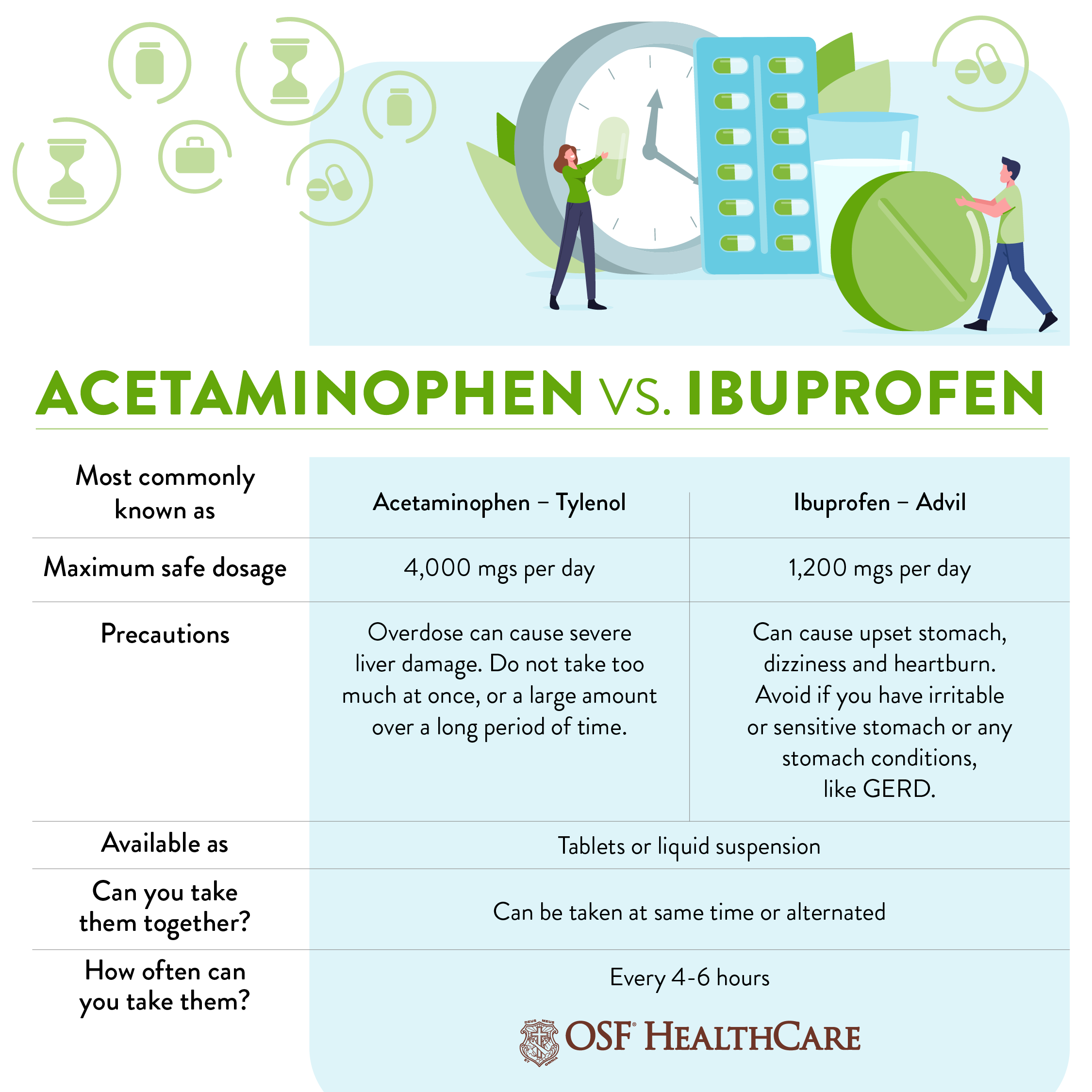
For immediate, systemic pain control, over-the-counter (OTC) medications are your best bet.
Ibuprofen (Advil, Motrin)
- Dose: 200–400 mg every 6 hours.
- Best for: Throbbing, inflammatory pain with swelling.
- Why it works: Reduces both pain and inflammation—more effective than acetaminophen for dental pain.
Tip: Take with food to avoid stomach irritation.
Acetaminophen (Tylenol)
- Dose: 500–1000 mg every 6 hours.
- Best for: Pain without significant swelling.
- Safer for stomach, but does not reduce inflammation.
Pro tip: If approved by your doctor, alternate ibuprofen and acetaminophen for stronger, longer-lasting relief.
OTC Dental Gels (Orajel, Anbesol)
- Contain benzocaine, a topical anesthetic.
- Apply directly to the tooth or gum with a cotton swab.
- Provides localized numbing within minutes.
Caution: Avoid in children under 2; do not overuse.
Stop Nighttime Tooth Pain with These Emergency Tips

Tooth pain often worsens at night because lying flat increases blood flow to your head, raising pressure inside the tooth.
How to Sleep Through the Pain:
- Elevate your head with an extra pillow—this reduces pulp pressure.
- Avoid lying flat—recline slightly if pain flares.
- Apply a cold compress before bed to numb the area.
- Take ibuprofen or acetaminophen 30 minutes before bed—follow dosage guidelines.
- Rinse with salt water after brushing to keep the area clean.
- Avoid eating or drinking sugary/acidic items before bed—they feed bacteria and worsen sensitivity.
Know When to Seek Emergency Dental Care
Home remedies are temporary. Some symptoms mean you need a dentist now.
Seek immediate care if you have:
– Severe pain lasting more than 48 hours
– Swelling in your face, jaw, or gums
– Fever or chills
– Pus or a bad taste in your mouth
– Difficulty breathing or swallowing
– A loose or broken tooth
– Pain that wakes you up every night
These could signal a spreading infection or abscess—potentially life-threatening.
What Not to Do When You Have Tooth Pain
Avoid these common mistakes that can make things worse:
– Don’t place aspirin directly on the gum—its acidity can burn tissue and cause ulcers.
– Don’t chew on the painful side—pressure can worsen pain and spread infection.
– Don’t ignore the pain—delaying treatment turns small problems into emergencies.
– Don’t use extreme temperatures—avoid very hot or cold drinks that trigger sharp pain.
Prevent Tooth Pain Before It Starts
Relief is crucial—but prevention is the real solution.
- Brush twice daily with fluoride toothpaste for 2 minutes.
- Floss daily—40% of cavities start between teeth.
- Use an antimicrobial mouthwash to kill bacteria.
- Visit your dentist every 6 months for cleanings and early detection.
- Limit sugar and acidic foods—rinse with water after consuming them.
- Wear a night guard if you grind your teeth.
- Stay hydrated—saliva protects your teeth by washing away food and acid.
Fast Action Plan: Stop Tooth Pain in Minutes
| Step | Action | Time to Relief |
|---|---|---|
| 1 | Rinse with warm salt water | 1–2 minutes |
| 2 | Apply clove oil or OTC gel | 2–5 minutes |
| 3 | Use cold compress on cheek | 5–10 minutes |
| 4 | Take ibuprofen (400 mg) | 20–30 minutes |
| 5 | Elevate head (especially at night) | Immediate |
| 6 | Avoid trigger foods (sugar, acid, heat) | Prevents flare-ups |
| 7 | See a dentist within 1–2 days | Permanent fix |
Final Note
Tooth pain is not something to tough out. While home remedies and OTC meds offer fast, temporary relief, they do not fix the problem. An untreated cavity or infection can lead to abscess, tooth loss, or even systemic infection.
Use these strategies to stop the pain now, but schedule a dental visit immediately. The faster you act, the more likely you’ll save your tooth—and avoid a trip to the ER.
With the right mix of immediate relief, smart habits, and professional care, you can end tooth pain fast—and keep it from coming back.