If you’ve ever felt a nagging lump in your throat, noticed persistent bad breath, or seen small white spots on your tonsils, you may be dealing with tonsil stones. These calcified clumps of bacteria, mucus, and food debris can linger in the crevices of your tonsils, causing discomfort and embarrassment. While many people resort to cotton swabs or fingers to dislodge them, there’s a safer and more effective alternative: using a water flosser.
A water flosser delivers a controlled stream of pulsating water that can gently flush out tonsil stones without direct contact. This method is especially useful for those with a sensitive gag reflex or hard-to-reach crypts. In this guide, you’ll learn exactly how to use a water flosser to remove and prevent tonsil stones safely, avoid common mistakes, choose the right device and tip, and know when it’s time to see a doctor.
Locate and Assess the Stone
Before attempting removal, confirm you’re dealing with a tonsil stone and not another condition like tonsillitis or a cyst.
Identify Visible Stones
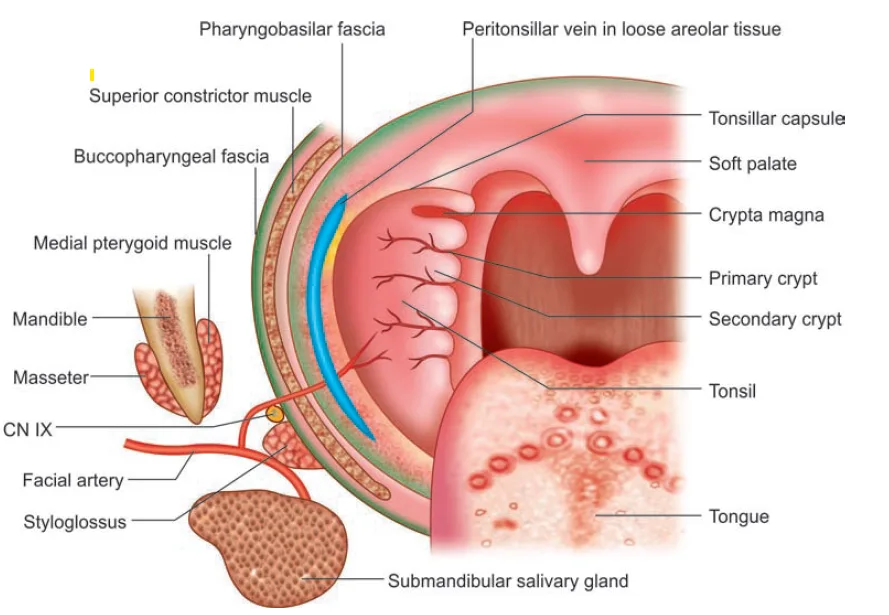
Tonsil stones often appear as white, yellow, or grayish spots embedded in the tonsil tissue. Use a bright flashlight and a mirror to examine the back of your throat. Look for:
• Small lumps in the folds (crypts) of the tonsils
• A gritty or foul-smelling substance when touched
• A sensation of fullness or irritation on one side of the throat
Check for Symptoms
Even if the stone isn’t visible, symptoms may include persistent bad breath (halitosis), a metallic taste in the mouth, referred ear pain, or mild soreness when swallowing.
Note: If you experience fever, severe pain, or swollen tonsils, do not attempt home removal. Seek medical care instead. These may be signs of infection or abscess.
Choose the Right Water Flosser and Tip
Not all water flossers or tips are safe for tonsil irrigation. Using the wrong setup can cause injury.
Best Devices for Tonsil Use
| Device Type | Why It Works |
|---|---|
| Electric Water Flosser (e.g., Waterpik) | Adjustable pressure and pulsation make it ideal for precise, safe flushing |
| Manual Water Flosser (e.g., Oravix) | Offers full control over pressure, quieter and portable |
| Specialized Tonsil Irrigator | Designed specifically for low-pressure tonsil cleaning |
| Curved-Tip Syringe (no needle) | Allows precise aiming and gentle pressure, affordable alternative |
Recommended Tips
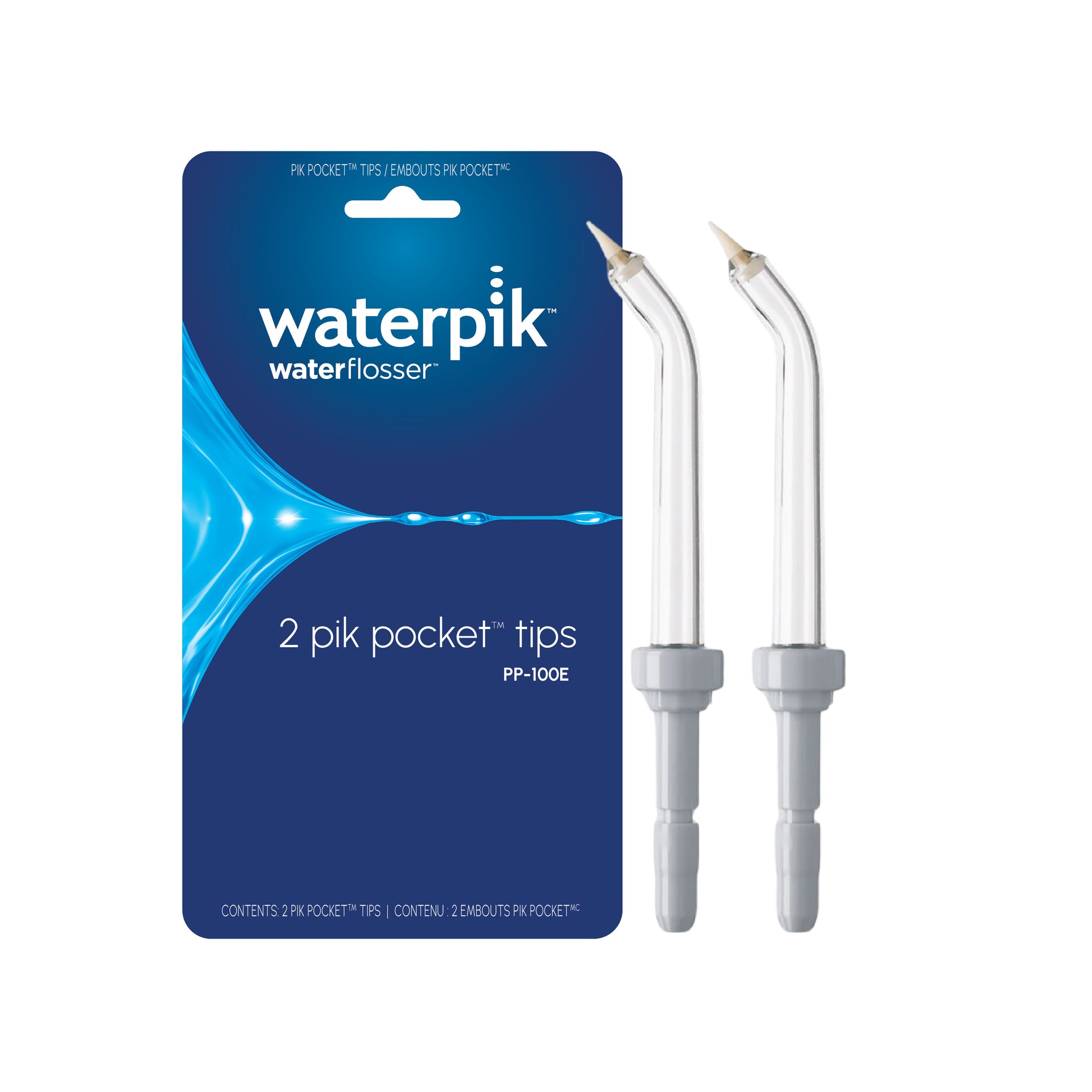
• Pik Pocket Tip (Periodontal Tip): Delivers a softer, focused stream ideal for tonsil crypts. Designed for gum pockets, it reduces pressure and minimizes tissue trauma.
• Orthodontic Tip: Gentle flow, suitable for sensitive users.
• Standard Jet Tip: Can be used only on the lowest setting. Higher pressure increases risk of laceration.
• Never use sharp, metal, or pointed tips. They can puncture or scratch delicate tonsil tissue.
Pro Tip: Many users report that the standard Waterpik tip is too harsh. The Pik Pocket tip is strongly recommended for tonsil use.
Prepare for Safe Irrigation
Proper setup is critical to avoid gagging, injury, or ineffective results.
Use Lukewarm Water or Saline
Fill the reservoir with lukewarm water, not hot or cold, to prevent shocking the tissue. Optional: Use warm saline solution (1 tsp salt in 8 oz water) for antibacterial benefits and to soothe irritation.
Set Pressure to Lowest Level
Always start on the lowest pressure setting, especially if you’re new to the method. Gradually increase only if needed and if no discomfort occurs.
Position Yourself Correctly
Stand in front of a well-lit mirror and lean over a sink with your head slightly forward. Keep your mouth open wide to reduce gag reflex. Breathe through your nose slowly and steadily.
Visual Cue: You should see the water stream clearly hitting the target area while debris drains into the sink.
Flush the Tonsil Crypt Safely
Now that you’re prepared, it’s time to remove the stone gently and effectively.
Aim, Don’t Press
Hold the flosser tip near the tonsil crypt, but do not press it into the tissue. Aim the stream directly at the base of the stone and activate the device in short pulses (15–30 seconds).
Watch for Dislodgement
Look in the sink for a small white or yellow speck. You may feel a sudden release or “pop” sensation. If the stone doesn’t come out, stop and wait 1–2 minutes before retrying.
Repeat if Needed
Try up to 2–3 sessions in one sitting. If unsuccessful, gargle with warm salt water first to soften the stone, then retry. Do not force it. Stop if you feel pain, bleeding, or excessive gagging.
Expert Note: Soft or partially loose stones usually dislodge quickly. Hard, deeply embedded stones may not respond to home irrigation.
Post-Flush Care and Hygiene
After successful removal, proper aftercare helps prevent infection and recurrence.
Gargle with Salt Water
Mix 1 tsp salt in 8 oz warm water and gargle for 30 seconds to reduce bacteria and soothe tissue.
Clean the Flosser Tip
Rinse the tip thoroughly under running water and let it air-dry to prevent mold or bacterial growth.
Complete Oral Care Routine
Brush your teeth and use a tongue scraper, since tonsil stones are often linked to tongue biofilm. Rinse with alcohol-free mouthwash to maintain a healthy oral environment.
Warning: Never swallow dislodged debris or irrigation water. It may contain harmful bacteria.
Prevent Future Stones with Regular Use
The real power of a water flosser lies in prevention, not just removal.
How It Prevents Stones
Water flossing flushes out trapped debris before it hardens, reduces bacterial load in tonsil crypts, disrupts biofilm formation, and keeps crypts cleaner and less inflamed.
Recommended Prevention Schedule
| Risk Level | Frequency | Duration |
|---|---|---|
| Low (occasional stones) | 2–3 times per week | 10–20 seconds per tonsil |
| High (frequent recurrence) | Daily | 15–30 seconds per side |
Best time: After brushing at night, when debris has accumulated.
Expert Insight: “Consistent use of a water flosser can prevent tonsil stones by cleaning crypts where stones form. The pulsating stream reaches areas that brushing cannot.” — Dr. Maria Knobel, Medical Director, Medical Cert UK
Avoid Common Mistakes and Injuries
Many people injure themselves trying to remove tonsil stones. Here’s how to stay safe.
Never Use High Pressure
High settings can tear tonsil tissue or damage blood vessels. The tonsils are highly vascular. Even small cuts can bleed heavily.
Don’t Use Cotton Swabs or Fingers
Cotton swabs increase risk of gagging, pushing stones deeper, or causing lacerations. Fingers can introduce new bacteria and are less precise.
Skip Alcohol-Based Mouthwashes
They dry the mouth, worsening the environment that leads to stones. Choose alcohol-free formulas with cetylpyridinium chloride or essential oils.
Stop Immediately If:
You see blood, feel sharp pain, develop swelling or worsening soreness, or if bleeding persists. Seek medical help in these cases.
User Warning: “I used my Waterpik on low and sliced my tonsil open. It was a disaster.” — Reddit user Airy2017
Try Alternative Home Methods
If you don’t have a water flosser, these safe alternatives can help.
Gargle with Warm Salt Water
Mix 1 tsp salt in 8 oz warm water and gargle for 30–60 seconds, 2–6 times daily. This loosens stones and reduces bacteria.
Use Apple Cider Vinegar (ACV)
Mix 1 tbsp ACV in 1 cup water and gargle up to 30 seconds (do not swallow). ACV’s acidity may help dissolve calcium buildup. Rinse your mouth afterward, since ACV can erode enamel.
Try Hydrogen Peroxide Rinse
Mix equal parts 3% hydrogen peroxide and water. Gargle for 30 seconds, then rinse with plain water. This kills bacteria and breaks down biofilm.
Cough It Out
Force a series of strong coughs (6–10 in a row). Vibrations may dislodge loose stones. This requires no tools and is ideal for quick relief.
Use a Needle-Free Syringe
Fill with warm saline and aim the curved tip at the crypt. Squeeze gently for better control than a flosser. This is a popular option in Amazon tonsil stone removal kits.
Know When to See a Doctor
Home care works for most cases, but some situations require professional help.
See a Doctor If You Have:
• Large stones (over 5 mm) that won’t budge
• Recurrent stones despite good hygiene
• Pain, swelling, or fever (signs of infection)
• Difficulty swallowing or breathing
• Bleeding that won’t stop
• Chronic halitosis unaffected by oral care
Professional Treatments
Manual Removal by ENT: Safe, quick, and effective under direct vision.
Cryptolysis: Laser or radiofrequency treatment to smooth out crypts and reduce recurrence.
Tonsillectomy: Surgical removal of tonsils, reserved for severe, chronic cases. Highly effective but carries risks.
Note: Tonsillectomy is only recommended when stones significantly impact quality of life.
Frequently Asked Questions About Tonsil Stones and Water Flossers
Can a water flosser damage tonsils?
Yes, if misused. High pressure or improper aiming can cause lacerations or bleeding. Always use the lowest setting and a Pik Pocket tip.
How often should I use it?
For active stones: 1–2 times daily until gone. For prevention: 2–3 times weekly (daily if prone to recurrence).
Are tonsil stones contagious?
No. They are not infectious and cannot be spread to others.
Do they go away on their own?
Small stones often do, through coughing, swallowing, or gargling. Larger ones may persist for weeks.
Is it bad to pick them out?
Yes. Picking increases risk of injury, bleeding, and infection. Use non-contact methods like water flossing instead.
Can they cause serious problems?
Rarely. But large stones may lead to chronic tonsillitis, abscesses, or very rarely major bleeding if they erode into blood vessels.
Key Takeaways for Removing Tonsil Stones with a Water Flosser
Using a water flosser for tonsil stones is safe and effective when done correctly. The key is starting with the lowest pressure setting and using a Pik Pocket or periodontal tip designed for gentle irrigation. Never aim the tip directly into the tonsil tissue. Instead, hold it near the crypt and let the pulsating water do the work.
Prevention is just as important as removal. Regular irrigation (2–3 times per week for maintenance, daily if you’re prone to recurrence) keeps tonsil crypts clear of debris before it can harden into stones. Combine this with good oral hygiene, staying hydrated, and avoiding alcohol-based mouthwashes.
However, gentle is always better. Stop immediately if you experience pain, bleeding, or swelling. Large stones that won’t budge, recurrent stones despite good hygiene, or signs of infection all warrant a visit to an ENT specialist. Your health is worth it.