If you’re getting ready for wisdom tooth removal, you’re stepping into one of the most common oral surgeries—over 85% of adults eventually need their third molars extracted. Whether you’re removing one or all four, how well you prepare can make all the difference in your recovery. The right prep reduces pain, lowers the risk of complications like dry socket, and helps you bounce back faster. This guide walks you through every essential step—before, during, and after surgery—so you’re not just ready, you’re fully in control.
From your first consultation to your final follow-up, we’ll cover how to stock your kitchen, manage anxiety, arrange transportation, and protect your healing process with science-backed strategies. Let’s dive into exactly how to prepare for wisdom tooth removal—so you walk into the clinic calm and walk out ready to heal.
Schedule Your Consultation Early

Get Imaging and Risk Assessment
Your journey starts with a detailed evaluation from your dentist or oral surgeon. They’ll take panoramic X-rays or 3D CBCT scans to map the position of your wisdom teeth. These images reveal whether your molars are impacted, angled toward neighboring teeth, or dangerously close to critical nerves like the inferior alveolar nerve (lower teeth) or maxillary sinus (upper teeth).
This imaging helps your surgeon plan a safe extraction and discuss potential risks—like temporary numbness, sinus issues, or rare nerve damage. Ask questions: What’s my risk of dry socket? Could this affect my jaw function? Understanding your anatomy reduces fear and sets realistic expectations.
Discuss Anesthesia Options
You’ll choose your anesthesia based on the complexity of your case and your comfort level:
– Local anesthesia: You stay awake; only the surgical site is numbed.
– IV sedation: You’re deeply relaxed, often with no memory of the procedure.
– General anesthesia: You’re fully unconscious (used for complex or multiple extractions).
Most patients opt for IV sedation for maximum comfort. Confirm your choice early—this determines your fasting rules and post-op care needs.
Disclose Medical History Fully
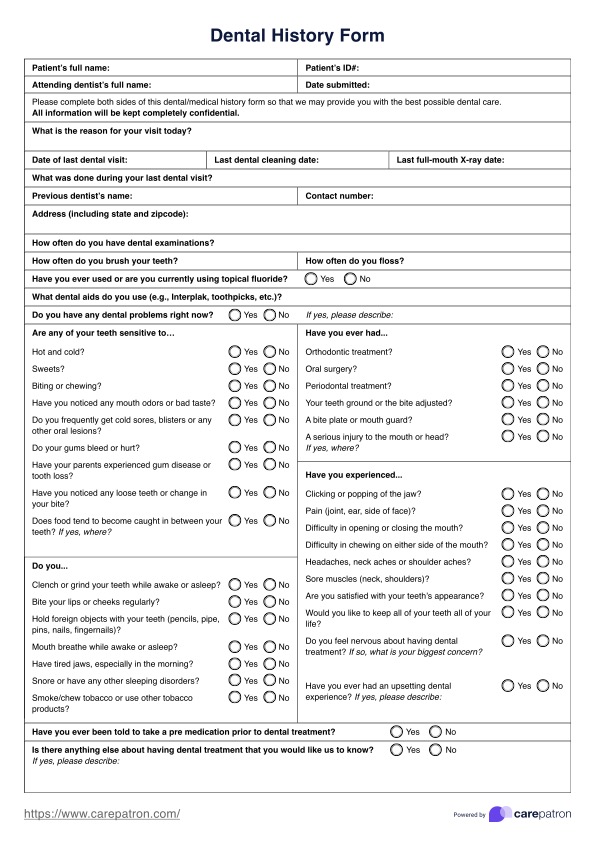
List All Medications and Supplements
Be honest about every medication, supplement, or herbal remedy you take. Blood thinners like aspirin, warfarin, or fish oil can increase bleeding risk. Certain antidepressants and antipsychotics may interact with sedatives. Even birth control pills can slightly raise your risk of dry socket, especially if you smoke.
Never stop prescribed medications without consulting both your doctor and surgeon. They’ll guide you on whether to pause or adjust doses before surgery.
Report Chronic Conditions and Allergies
Conditions like diabetes, heart disease, or bleeding disorders affect healing and anesthesia safety. Be upfront about alcohol or tobacco use—these impact recovery. Also disclose any drug allergies, especially to lidocaine or other anesthetics. This transparency protects your safety and ensures personalized care.
Fast Properly Before Surgery
Follow No-Food, No-Drink Rules
If you’re receiving IV sedation or general anesthesia, you must fast for 6–8 hours before surgery. Most clinics require: “Nothing after midnight” the night before. That means no food, water, gum, or coffee.
Fasting prevents aspiration, a dangerous condition where stomach contents enter the lungs during anesthesia. For local anesthesia only, fasting may not be required—but always confirm with your provider.
Avoid Alcohol and Tobacco
Stop drinking alcohol at least 24 hours before surgery. It interferes with sedation and increases bleeding. Quit smoking, vaping, or using tobacco at least 48 hours before and after surgery. Nicotine restricts blood flow to healing tissues and is a top cause of dry socket, a painful complication where the blood clot dislodges.
Quitting even briefly improves outcomes.
Arrange Transportation and Support
Don’t Drive Yourself Home
You cannot drive after sedation. Effects linger for hours, impairing judgment and reflexes. Arrange for a trusted adult to take you to and from the clinic. The NHS and dental associations recommend someone stay with you for at least 24 hours after general anesthesia.
Avoid public transit alone—dizziness or nausea could leave you stranded.
Plan Time Off Work or School
Most people take 1–3 days off after surgery. If your job involves physical labor, plan for 3–4 days off. Avoid exercise, heavy lifting, or strenuous activity for 5–7 days to prevent dislodging the blood clot.
Schedule surgery at a time that allows real rest—don’t book it before big deadlines or events.
Prepare Your Recovery Space
Set Up a Comfort Zone
Create a healing-friendly space at home:
– Use a recliner or bed with extra pillows to keep your head elevated. This reduces swelling and helps drain fluid away from the surgical sites.
– Keep essentials within arm’s reach: medications, ice packs, water bottle, gauze, phone charger, entertainment.
Stay off your feet the first 2–3 days. Healing starts with rest.
Stock Recovery Supplies
Have these items ready before surgery day:
– Ice packs or cold gel packs (freeze ahead)
– Clean towels (to protect bedding from blood-tinged saliva)
– Gauze pads (to bite on post-op)
– Disposable utensils and bowls (easier cleanup)
– Hands-free cold compress wrap (for comfort)
Being prepared means less getting up—and faster healing.
Stock Soft, Nutritious Foods

Eat Well Before Surgery
The night before, eat a balanced, protein-rich meal. Focus on foods high in:
– Vitamin C (citrus, bell peppers) – boosts immunity
– Vitamin A (sweet potatoes, carrots) – supports tissue repair
– Zinc and iron (lean meats, beans) – promote wound healing
Avoid spicy, greasy, or hard-to-digest foods that might upset your stomach pre-surgery.
Pre-Stock Post-Op Meals
Fill your fridge and freezer with soft, easy-to-eat foods:
First 1–3 Days:
- Broth or lukewarm soup (not hot)
- Yogurt (no seeds or chunks)
- Applesauce
- Mashed potatoes
- Pudding or custard
- Smoothies (pre-blend and freeze; thaw slightly before drinking)
- Ice cream or popsicles (avoid citrus)
Pro tip: Freeze pre-portioned smoothies in cups. Let them soften for 10–15 minutes before sipping—no effort, full nutrition.
Days 4–7:
- Scrambled eggs
- Soft pasta (mac and cheese)
- Ground meat (turkey, chicken)
- Cottage cheese
- Oatmeal or cream of wheat
- Banana bread (no crusts)
Avoid crunchy, chewy, spicy, acidic, or carbonated foods. Never use a straw—suction can pull out the blood clot and cause dry socket.
Manage Anxiety and Mental Readiness
Educate Yourself to Reduce Fear
Anxiety is common. Combat it by learning what to expect:
– The procedure usually takes 20–60 minutes
– You’ll feel pressure, not pain, during extraction
– Most people return to light activity in 2–3 days
Ask your surgeon: Will I be awake? How long until I can eat normally? When can I brush my teeth? Getting answers builds confidence.
Use Relaxation Techniques
Practice deep breathing, guided meditation, or listen to calming music the night before and morning of surgery. Some clinics offer anti-anxiety meds or nitrous oxide (“laughing gas”) for extra calm.
Knowledge and preparation are powerful tools against fear.
Pre-Obtain Medications
Fill Prescriptions in Advance
Get all medications before surgery day. You won’t want to go out while drowsy or in pain. Common prescriptions include:
– Antibiotics (if infection risk is high)
– Strong painkillers (like hydrocodone—use only as directed)
– Anti-inflammatories
Your surgeon may recommend alternating ibuprofen (Advil) and acetaminophen (Tylenol) for effective pain control without narcotics. Have both on hand.
Prepare Oral Rinses
Use warm salt water (½ tsp salt in 8 oz warm water) starting 24 hours after surgery, 2–3 times daily. It cleans gently and reduces infection risk.
Avoid alcohol-based mouthwashes—they burn and delay healing.
Follow Day-Of-Surgery Steps
Morning Routine Guidelines
On surgery day:
– Brush your teeth gently—keep your mouth clean but avoid vigorous rinsing
– Do not use alcohol-containing mouthwash
– Drink water only if not fasting
– Take any pre-op meds as instructed
– Wear loose, comfortable clothing with short or rolled-up sleeves (for IV access)
– Avoid makeup, lip balm, and facial jewelry
Arrive 10–15 minutes early with:
– Photo ID
– Insurance card
– Medication list
– Medical records (if needed)
Prevent Complications
Avoid Dry Socket
Dry socket (alveolar osteitis) is the most common complication—sharp pain starts 2–4 days post-op when the clot dissolves or is pulled out.
Prevent It By:
- Not smoking or vaping
- Avoiding straws and forceful spitting
- Following all aftercare rules
- Keeping the area clean with salt water rinses (after 24 hours)
Signs You Need Help:
- Throbbing pain that doesn’t ease with meds
- Bad taste or odor in mouth
- Visible bone in the socket
- Pain spreading to ear or jaw
Contact your surgeon immediately if you suspect dry socket.
Watch for Infection
Call your oral surgeon if you have:
– Fever over 100.4°F (38°C)
– Pus or yellow/green discharge
– Swelling that worsens after Day 3
– Difficulty opening mouth or swallowing
– Bleeding that lasts more than 24 hours
Most infections are preventable with good hygiene and medication adherence.
Optimize Recovery
Rest and Elevate
Take the first 2–3 days completely off. No chores, exercise, or screen marathons. Your body needs energy to heal.
Keep your head above heart level to minimize swelling and bruising.
Transition to Warm Compresses
After 48 hours, switch from ice to warm compresses to ease jaw stiffness and muscle soreness. Apply for 15–20 minutes at a time.
Resume Oral Care Gently
Start brushing 24 hours after surgery, avoiding surgical sites. Be gentle. Resume flossing carefully after a week.
Use Smart Recovery Hacks
Try Pineapple Juice for Swelling
Some patients drink fresh pineapple juice 2–3 days before surgery. It contains bromelain, an enzyme with anti-inflammatory properties. While not clinically proven, many report less swelling and faster healing. It’s safe and low-risk—just avoid if you’re allergic.
Pre-Blend and Freeze Smoothies
Make nutrient-packed smoothies with banana, yogurt, oats, and berries. Pour into cups or popsicle molds and freeze. Thaw slightly before eating—effortless, healing fuel.
Final Note: Proper preparation makes wisdom tooth removal safer, less stressful, and quicker to recover from. By scheduling early, disclosing your health history, fasting correctly, stocking supplies, and planning recovery, you dramatically reduce the risk of complications. Follow your surgeon’s instructions closely, listen to your body, and give yourself time to heal. With the right prep, this routine procedure can be a smooth step toward better oral health.