Waking up to a throbbing jaw after a tooth extraction is a common experience—but it doesn’t have to be unbearable. Whether you had a wisdom tooth pulled or a damaged molar removed, post-extraction pain is expected, especially in the first 24 to 72 hours. The good news? Most discomfort can be significantly reduced with the right steps. The key lies in protecting the blood clot, managing swelling, and using effective pain relief strategies early. This guide delivers dentist-approved, science-backed methods to help you minimize pain, prevent complications like dry socket, and speed up healing. From medication combos to natural remedies and diet tips, you’ll learn exactly what to do—and what to avoid—for a smoother recovery.
Immediate Pain Control (First 24 Hours)
The first day after extraction is the most critical for pain management. As the anesthesia wears off—usually within 1 to 5 hours—discomfort begins. How you respond in these early hours sets the tone for your entire recovery.
Stop Bleeding and Protect the Clot
Your body forms a blood clot at the extraction site, acting as a natural bandage. This clot is essential: if it dislodges or dissolves too soon, you risk dry socket, a condition that causes intense, radiating pain.
– After the procedure, your dentist will place a gauze pad over the site. Bite down gently for 30–60 minutes to encourage clotting.
– If bleeding continues, replace the gauze with a damp tea bag. The tannins in tea naturally promote clot formation.
– Avoid spitting, rinsing, or using a straw for at least 48 hours. These actions create suction that can pull the clot loose.
Visual cue: A healthy clot appears dark red and fills the socket. If you see white, dry bone or feel sudden, worsening pain after a few days, contact your dentist immediately—it could be dry socket.
Apply Ice to Reduce Swelling
Swelling increases pressure on nerves, making pain worse. Cold therapy helps by constricting blood vessels and numbing the area.
– Wrap an ice pack or gel pack in a thin towel and apply it to your cheek over the extraction site.
– Use in 20-minute intervals: 20 minutes on, 20 minutes off.
– Continue this cycle for 24 to 48 hours, especially if swelling is noticeable.
Pro tip: Use frozen peas or a reusable cold pack—they conform to your face better than loose ice cubes.
Elevate Your Head
Lying flat increases blood flow to your head, which can worsen swelling and throbbing.
– Sleep with 2–3 pillows to keep your head above heart level.
– Avoid sleeping on the side of the extraction to prevent pressure and pain.
Time estimate: Keep your head elevated for at least the first two nights to prevent nighttime pain spikes.
Best Pain Relief Medications
Medications are the fastest way to manage post-extraction pain. Choosing the right type—and timing—can make a big difference in your comfort.
Use Ibuprofen and Acetaminophen Together
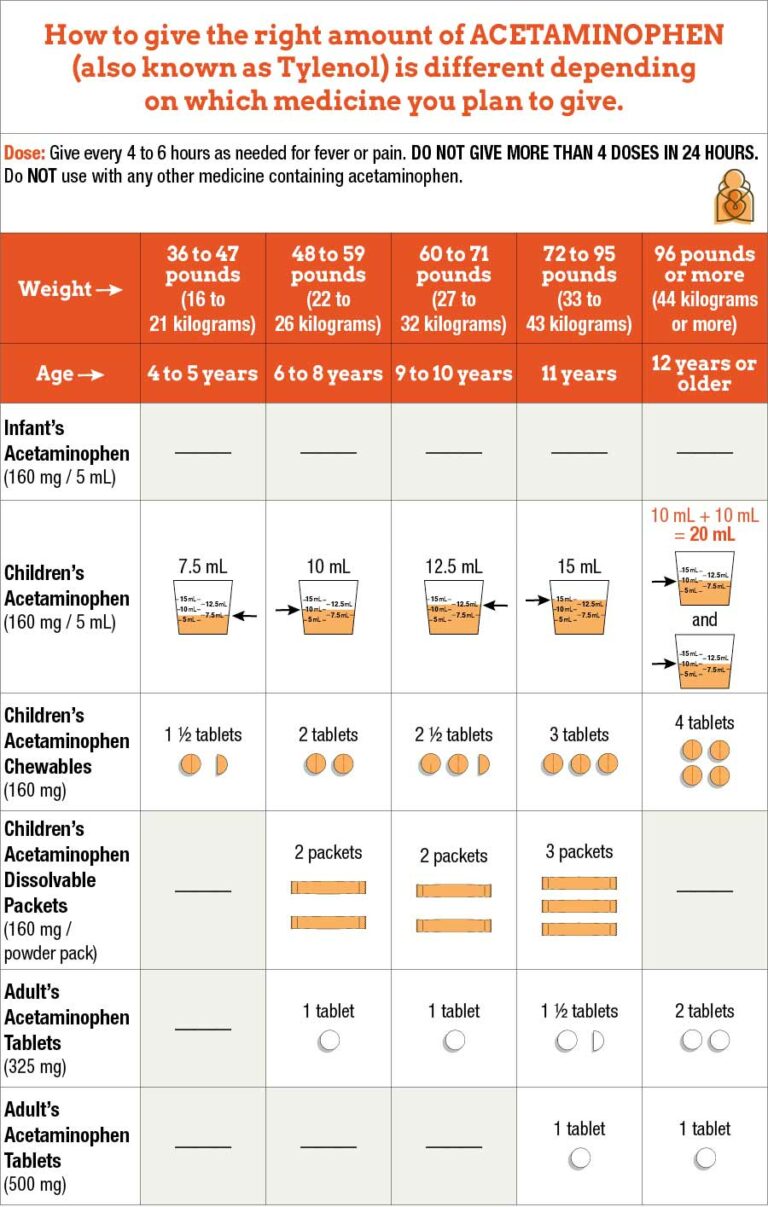
Research shows that combining ibuprofen (Advil) and acetaminophen (Tylenol) is more effective than opioids for dental pain.
– Ibuprofen reduces inflammation and pain at the site.
– Acetaminophen blocks pain signals in the brain.
– Recommended dose: 400–600 mg ibuprofen + 500–1000 mg acetaminophen every 6 hours, as needed. Always follow label limits.
Expert note: Start this combo before the anesthesia wears off—don’t wait for pain to peak. Taking meds early prevents pain from spiraling.
When to Use Prescription Painkillers
Opioids like hydrocodone or codeine are sometimes prescribed for complex extractions, such as impacted wisdom teeth.
– Use only if over-the-counter meds aren’t enough.
– Risks include drowsiness, nausea, constipation, and addiction.
– Never mix with alcohol, sedatives, or other CNS depressants.
Safety rule: Take the lowest effective dose for the shortest time possible. Always follow your dentist’s instructions.
Avoid These Painkillers
- Aspirin: Thins the blood and can increase bleeding risk.
- NSAIDs if on blood thinners: Consult your dentist first.
- Alcohol with any pain medication: Increases side effects and slows healing.
Natural Pain Relief Remedies

Natural methods can support pain relief and healing when used correctly—but they should never replace professional care.
Rinse with Warm Saltwater
Start 24 hours after extraction.
– Mix ½ to 1 teaspoon of salt in 1 cup of warm water.
– Swish gently for 30 seconds, then spit—do not rinse vigorously.
– Repeat 4–5 times daily, especially after eating.
Why it works: Salt reduces bacteria, soothes tissues, and helps stabilize the clot.
Apply Clove Oil for Numbing
Clove contains eugenol, a natural anesthetic.
– Dilute 1–2 drops in coconut or olive oil.
– Use a cotton swab to apply lightly to the extraction site.
– Do not swallow—it can irritate your stomach.
Caution: Overuse can damage tissue. Limit to once or twice daily.
Use Cold and Warm Compresses
- First 48 hours: Stick with cold compresses to reduce swelling.
- After 48 hours: Switch to warm compresses to boost blood flow and healing.
Visual cue: If your face is still swollen, keep using ice. If swelling has gone down, warmth helps speed recovery.
Try Chamomile or Tea Bags
- Cool a used chamomile tea bag and place it over the socket for 5–10 minutes.
- Chamomile has anti-inflammatory and calming properties.
Bonus: You can reuse the same tea bag—just re-cool it before the next use.
Other Supportive Remedies
| Remedy | How to Use | Benefit |
|---|---|---|
| Raw honey | Apply a small amount to socket (after 24 hrs) | Antibacterial, promotes healing |
| Turmeric paste | Mix with water, apply, rinse after | Anti-inflammatory (curcumin) |
| Ginger tea | Drink or chew small piece | Reduces swelling, eases nausea |
| Aloe vera gel | Apply pure gel to area | Soothes, supports tissue repair |
| Arnica | Topical gel or tablets | Reduces bruising and swelling |
Warning: Always check with your dentist before using natural remedies—some may interact with medications or delay clotting.
Eat the Right Foods to Prevent Pain

What you eat directly affects healing. The wrong food can dislodge the clot or irritate the socket.
Best Foods for Days 1–3
Stick to soft, cool, and easy-to-swallow options:
– Yogurt
– Applesauce
– Mashed potatoes
– Smoothies (no straw!)
– Jell-O or pudding
– Scrambled eggs
– Bananas
– Oatmeal (lukewarm)
– Broth-based soups (not hot)
Pro tip: Use a spoon, not a straw. Suction is the enemy.
Foods to Avoid
- Chips, nuts, popcorn: Can get stuck in the socket.
- Spicy or acidic foods (e.g., salsa, citrus): Burn sensitive tissue.
- Hot coffee or tea: Can dissolve the clot.
- Alcohol and caffeine: Interfere with healing and meds.
- Seeds and grains: Risk of impaction.
Rule of thumb: If it requires chewing near the extraction, wait until fully healed.
Keep Your Mouth Clean Without Risk
Oral hygiene prevents infection—but done wrong, it can cause more pain.
First 24 Hours: No Brushing or Rinsing
Let the clot form undisturbed.
– Avoid brushing near the site.
– Do not rinse—even with water.
After 24 Hours: Gentle Cleaning Begins
- Brush teeth carefully, avoiding the extraction area.
- Use a soft-bristled toothbrush.
- Start saltwater rinses 4–5 times daily.
- Avoid alcohol-based mouthwashes—they sting and delay healing.
Visual cue: Healing tissue looks yellowish or whitish—this is normal granulation tissue, not infection.
Avoid These Activities to Prevent Pain
Your lifestyle choices in the first few days can make or break your recovery.
No Smoking or Vaping
- Wait at least 72 hours—longer is better.
- Smoking reduces oxygen in blood, introduces toxins, and creates suction.
- Dry socket risk increases 12-fold in smokers.
Urgency: This is the #1 preventable cause of severe post-op pain.
No Strenuous Exercise
- Avoid running, lifting, or intense workouts for 3–5 days.
- Increased blood pressure can restart bleeding or dislodge the clot.
Time estimate: Light walking is fine after 24 hours. Wait 5 days for heavy activity.
Don’t Blow Your Nose Forcefully
Especially after upper tooth removal, blowing your nose can create pressure that opens a sinus communication.
– If you must sneeze, do it with your mouth open to reduce pressure.
Recognize and Treat Dry Socket
Dry socket (alveolar osteitis) is the most common complication—and the most painful.
Signs of Dry Socket
Appears 3–5 days post-extraction and includes:
– Severe, throbbing pain that radiates to ear, jaw, or temple
– Foul taste or bad breath
– Empty socket with visible white bone
– No improvement—pain worsens instead of fades
Fact: Dry socket affects 2–5% of extractions but up to 30% in wisdom tooth cases.
What to Do
- Call your dentist immediately—you need professional treatment.
- They’ll clean the socket and apply a medicated dressing (often eugenol-based).
- Dressings are changed every 1–2 days until healing resumes.
- You may get stronger painkillers or antibiotics if infection is present.
Prevention: Follow all aftercare rules—especially no straws, no smoking, no rinsing early.
Know When to Call the Dentist
Not all pain is normal. Seek help if you have:
– Pain that worsens after day 3
– Fever or chills
– Pus or discharge from the socket
– Swelling that increases after day 3
– Difficulty opening your mouth
– Bleeding that won’t stop after 4 hours
Red flag: If pain isn’t controlled by ibuprofen/acetaminophen, contact your dentist.
Recovery Timeline by Day
Day 1: Peak Discomfort
- Pain and swelling start.
- Use ice, elevate head, take meds early.
- Stick to liquid/soft foods.
Days 2–3: Swelling Peaks
- Continue ice therapy.
- Begin saltwater rinses.
- Pain should start decreasing by day 3.
Days 4–7: Healing Begins
- Swelling fades.
- Jaw stiffness improves.
- Gradually introduce soft solids.
- Most people feel much better by day 7.
Warning: Sudden increase in pain on days 3–5? Think dry socket.
Final Note: Pain after tooth removal is normal—but severe or worsening pain is not. By using ibuprofen and acetaminophen together, protecting the blood clot, eating soft foods, and avoiding smoking and straws, you can cut pain and speed healing. Most discomfort fades within 3–5 days, with full recovery in 1–2 weeks. If you experience signs of dry socket or infection, contact your dentist right away. With the right care, you’ll be back to normal faster than you think.