A tooth abscess is a severe, pus-filled infection that develops at the root of a tooth or between the gum and tooth. Caused by bacteria invading through decay, cracks, or gum disease, it leads to intense throbbing pain, facial swelling, fever, and a foul taste in the mouth. While only a dentist can cure a tooth abscess, you can significantly reduce pain and slow infection progression with immediate at-home care and swift professional treatment.
Left untreated, a tooth abscess won’t heal—it will worsen. The infection can spread to the jawbone, neck, or even the brain, risking life-threatening conditions like sepsis or Ludwig’s angina. But acting fast makes a critical difference. By combining targeted pain relief, antiseptic rinses, and prompt dental intervention, you can stop the infection in its tracks and potentially save your tooth.
This guide walks you through safe, effective ways to reduce tooth abscess symptoms, avoid dangerous home remedies, and get lasting relief through proven medical treatments.
Immediate Pain Relief Strategies
Use OTC Painkillers Effectively
Over-the-counter (OTC) medications are your most reliable first step for managing abscess pain and inflammation.
- Ibuprofen (200–400 mg every 6 hours): A powerful anti-inflammatory that reduces both pain and swelling. It’s often more effective than acetaminophen for dental infections because it targets inflammation at the source.
- Acetaminophen (500–1000 mg every 6 hours): Ideal for pain and fever relief, especially if you can’t take NSAIDs due to stomach issues or medical conditions.
- Combination therapy: Taking 400 mg ibuprofen with 1000 mg acetaminophen every 6 hours often provides superior relief than either drug alone—without increasing risk when used as directed.
💡 Pro Tip: Stick strictly to recommended doses. Never exceed 3,000 mg of acetaminophen or 3,200 mg of ibuprofen per day unless supervised by a doctor. Overuse can cause liver or kidney damage.
Apply a Cold Compress to Reduce Swelling
A cold pack helps numb pain and minimize facial swelling by constricting blood vessels and reducing inflammation.
- Wrap ice in a clean cloth or use a reusable cold pack.
- Hold it against the outside of your cheek for 15 minutes.
- Remove for 15 minutes, then repeat.
Use this method 3–4 times daily, especially during the first 24–48 hours of swelling. It’s particularly effective if the abscess has caused visible puffiness in your cheek or jaw.
⚠️ Avoid heat packs—they increase blood flow and can worsen swelling and infection spread.
Natural Rinses to Reduce Bacteria and Soothe Tissue
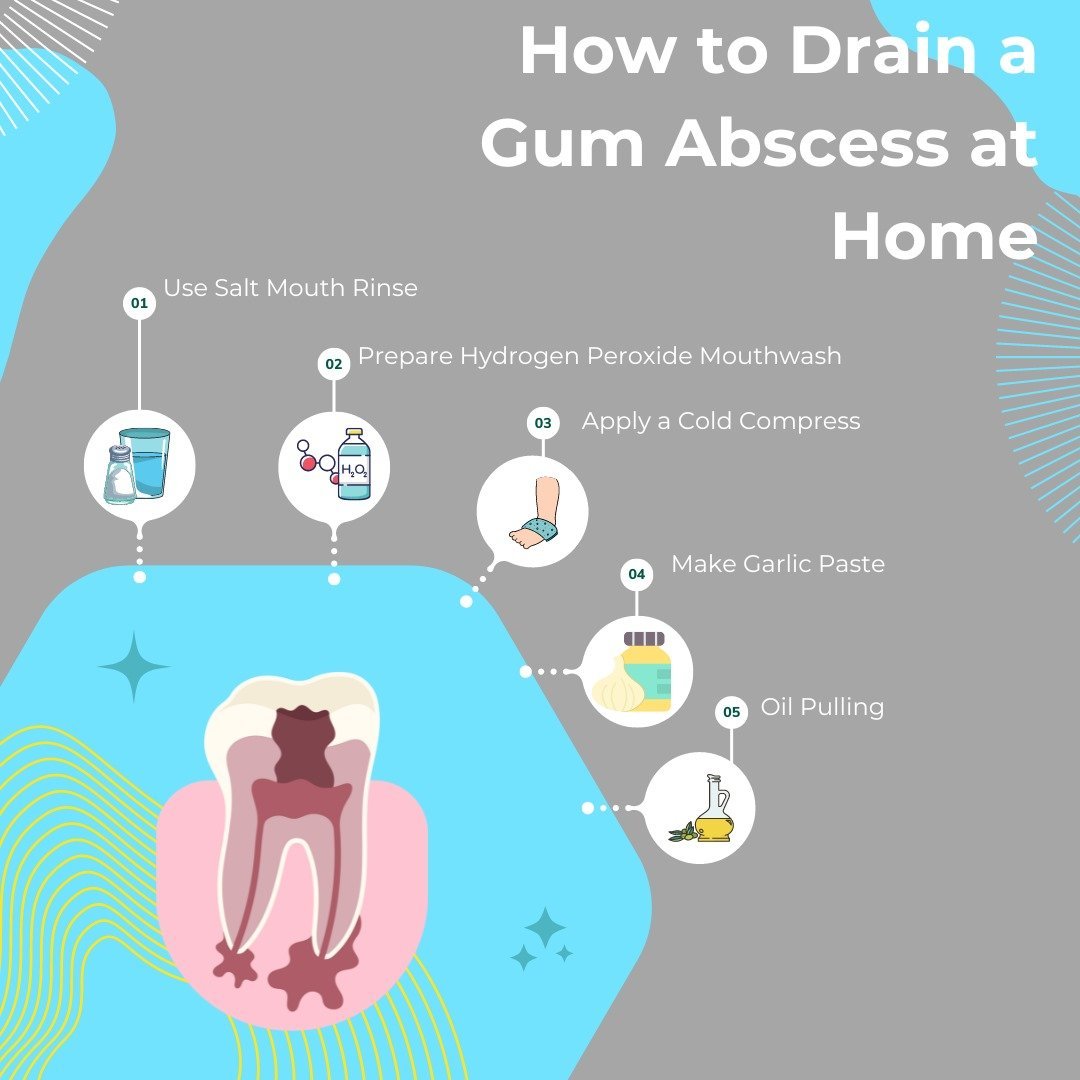
Try a Saltwater Rinse
One of the safest and most effective home remedies, a saltwater rinse cleans the area, reduces bacteria, and promotes healing.
- Mix ½ teaspoon of salt in ½ cup of warm water.
- Swish gently around the affected tooth for 2–3 minutes, then spit.
- Repeat 2–3 times daily, especially after meals.
✅ Benefits: Helps draw out fluid, dislodge trapped debris, and soothe inflamed gums.
Use a Baking Soda Mouthwash
Baking soda neutralizes acid in the mouth, making it harder for bacteria to thrive.
- Combine ½ tsp baking soda, a pinch of salt, and ½ cup warm water.
- Swish for up to 5 minutes, then spit.
- Use up to twice daily.
💡 Bonus: Baking soda also helps gently remove plaque around the infected tooth, reducing further irritation.
Rinse with Diluted Hydrogen Peroxide
A 3% hydrogen peroxide solution has antimicrobial properties that can help reduce bacteria and inflammation.
- Mix equal parts 3% H₂O₂ and water.
- Swish for 30 seconds, then spit—never swallow.
- Use once or twice daily.
🚫 Never use full-strength peroxide—it can burn gum tissue, delay healing, and disrupt your mouth’s natural microbiome.
Topical Remedies for Numbing Relief
Apply Clove Oil Safely
Clove oil contains eugenol, a natural compound with numbing and antibacterial effects.
- Dilute 3–5 drops of clove oil in 1 tablespoon of carrier oil (coconut, olive, or almond).
- Soak a cotton ball and press it against the painful tooth for 2–3 minutes.
- Repeat up to 3 times daily.
⚠️ Never apply undiluted clove oil—it can burn gum tissue, cause irritation, or lead to chemical burns.
Use a Black Tea Bag Compress
Tannins in black tea act as a natural astringent, helping reduce swelling and soothe pain.
- Steep a tea bag, then let it cool completely.
- Place it directly on the abscess for 10–20 minutes.
- Some people leave it overnight to help draw out fluid.
While scientific evidence is limited, many report temporary pain relief from this method.
Try a Garlic Paste Application
Garlic contains allicin, a compound with strong antimicrobial and anti-inflammatory properties.
- Crush a fresh clove into a paste.
- Apply directly to the infected area.
- Leave for 5–10 minutes, then rinse thoroughly.
May cause a mild burning sensation—discontinue if you experience irritation.
When to See a Dentist Immediately

Recognize Emergency Warning Signs
A tooth abscess is always a dental emergency. Seek emergency care if you have:
- Swelling in your face, jaw, or neck
- Difficulty breathing, swallowing, or opening your mouth
- High fever (over 101°F / 38.3°C)
- Rapid heart rate, confusion, or chills
These symptoms suggest the infection is spreading—potentially life-threatening.
Don’t Delay Professional Treatment
Home remedies only ease symptoms. They do not kill the infection. The abscess will persist until treated by a dentist.
✅ You will likely need one of these procedures:
– Drainage to remove pus
– Root canal to save the tooth
– Extraction if the tooth is beyond repair
Even if the pain stops, the infection may still be active—especially if the tooth nerve has died.
Professional Treatments That Cure Abscesses
Drain the Abscess
This is often the first step in treatment.
- Your dentist makes a small incision in the swollen gum to release pus.
- A tiny drain may be placed to keep the area open for 24–48 hours.
- Provides immediate pressure relief and stops infection spread.
This is usually followed by root canal therapy or extraction.
Perform Root Canal Therapy
If the tooth is salvageable, a root canal removes the infected pulp.
- The dentist cleans and disinfects the root canals.
- Fills and seals them to prevent reinfection.
- Places a crown to restore strength.
Success rates exceed 90% when performed early.
Extract the Tooth (If Necessary)
When the tooth is too damaged, extraction removes the infection source.
- Common for molars with severe decay or failed prior treatment.
- May be followed by a bone graft or dental implant later.
Though it sounds drastic, extraction is often the fastest way to eliminate infection.
Antibiotics: When They’re Needed
Know the Right Antibiotics
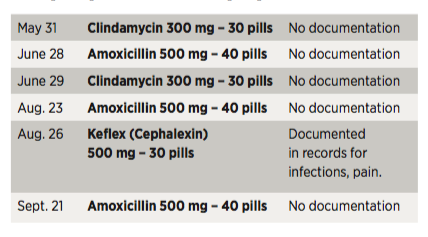
Antibiotics control but don’t cure the abscess. They’re used to stop infection spread.
Common prescriptions:
– Amoxicillin: 500 mg every 8 hours for 5–7 days (first-line treatment)
– Clindamycin: For those allergic to penicillin (300–600 mg every 6–8 hours)
– Amoxicillin-clavulanate (Augmentin): For resistant infections
💊 Important: Antibiotics alone won’t eliminate the abscess. You still need drainage or dental procedure.
When Antibiotics Are Prescribed
Your dentist may prescribe them if:
– Infection has spread (facial swelling, fever)
– You have a weakened immune system (e.g., diabetes)
– Risk of complications is high
If symptoms are localized, antibiotics may not be needed.
Avoid Dangerous Home Mistakes
Never Put Aspirin on the Gum
Despite myths, placing aspirin directly on the gum causes chemical burns.
- Acetylsalicylic acid damages soft tissue.
- Can lead to ulcers, tissue death, and delayed healing.
✅ Correct use: Take aspirin orally (if appropriate) for pain and inflammation.
Don’t Use Undiluted Essential Oils
Oils like clove, thyme, or oregano are potent. Using them undiluted can:
– Burn gum tissue
– Worsen pain and inflammation
– Delay healing
Always dilute in a carrier oil.
Don’t Rely on Oil Pulling Alone
Oil pulling (swishing coconut or sesame oil) may reduce plaque, but there’s no proof it treats abscesses.
- Limited evidence supports its use as a supplement.
- Relying on it delays care and risks complications.
Use only alongside professional treatment.
Prevent Future Abscesses
Maintain Daily Oral Hygiene
Prevention starts with routine care:
– Brush twice daily with fluoride toothpaste
– Floss once daily
– Use antibacterial mouthwash if recommended
Plaque buildup is the top cause of decay and abscesses.
Limit Sugar Intake
Bacteria feed on sugar and produce acid that erodes enamel.
- Reduce sugary snacks, drinks, and sticky candies.
- Rinse with water after eating if brushing isn’t possible.
Even natural sugars (like honey or dried fruit) contribute to decay.
Visit Your Dentist Regularly
See your dentist every 6 months for:
– Cleanings
– Early cavity detection
– X-rays to spot hidden infections
Many abscesses begin from undetected decay.
Protect Teeth from Injury
Wear a mouthguard during sports or if you grind your teeth.
- Cracks and chips let bacteria into the pulp.
- Even small fractures can lead to infection over time.
Ask your dentist about a custom-fitted guard.
Healing Timeline and Recovery
How Long Until It Heals?
With treatment, most abscesses improve within:
– 1–2 days: Pain and swelling start to decrease after drainage or antibiotics.
– 1 week: Significant symptom improvement.
– 1–2 weeks: Full recovery.
Tooth extraction often heals faster than root canal due to complete infection removal.
What If Pain Returns?
Recurring pain may mean:
– Incomplete drainage
– Failed root canal
– New infection
Return to your dentist—don’t ignore returning symptoms.
Final Tips for Fast, Safe Relief
Act Fast—Time Matters
Delaying treatment increases risks of:
– Bone loss
– Tooth loss
– Systemic infection
Even mild symptoms require a dental visit.
Combine Home and Professional Care
Best results come from:
– Using OTC painkillers and rinses to manage discomfort
– Seeing a dentist within 24–48 hours
– Following treatment with antibiotics (if prescribed)
Never Ignore a “Pimple” on Your Gum
A small bump that oozes pus is a draining abscess—a clear sign of infection.
It may seem better when it drains, but the infection remains without treatment.
Bottom Line: You can reduce tooth abscess pain and slow infection with saltwater rinses, cold compresses, clove oil, and OTC painkillers. But only a dentist can cure it through drainage, root canal, or extraction. Don’t delay—early treatment saves your tooth and prevents life-threatening complications. Call your dentist today if you suspect an abscess.