If you’re waking up with a dull throb at the back of your jaw or feel sharp pain when chewing, you’re likely dealing with wisdom tooth pain—a common but often misunderstood issue. This discomfort typically strikes between ages 17 and 25, when the third molars begin to emerge. While some people experience no issues, many face pain due to impaction, gum inflammation, or infection. The good news? You don’t have to suffer in silence. From simple saltwater rinses to targeted pain relievers and professional treatments, effective solutions exist. This guide gives you a complete, step-by-step plan to relieve wisdom tooth pain, recognize warning signs, and decide when it’s time to see a dentist. You’ll learn what works, what to avoid, and how to protect your long-term oral health.
Use Immediate Home Remedies to Reduce Pain and Swelling

When wisdom tooth pain strikes, fast-acting at-home treatments can provide meaningful relief while you plan your next move.
Rinse with Warm Saltwater to Soothe Inflamed Gums
One of the most effective first steps is a warm saltwater rinse. This simple solution reduces bacteria, calms irritated tissue, and flushes out food particles trapped under a gum flap. Mix ½ to 1 teaspoon of table salt in 8 ounces of warm water until fully dissolved. Swish gently for 30–60 seconds, focusing on the painful side, then spit—do not swallow. Repeat 3–4 times daily, especially after meals. The American Dental Association (ADA) and NHS both recommend this safe, low-cost method for early-stage discomfort.
Apply Cold or Warm Compresses for Targeted Relief
External compresses help manage both pain and swelling. For acute pain and visible swelling, use a cold compress: wrap an ice pack or bag of frozen peas in a thin cloth and apply to your cheek for 15 minutes, then rest for 15. Repeat every 2–3 hours during the first 48 hours. Cold therapy constricts blood vessels, reducing inflammation and numbing the area. If your pain is more of a chronic ache or jaw stiffness, switch to a warm compress. A heated towel or heating pad applied for 10–20 minutes boosts circulation and relaxes tight muscles. Stop using heat if swelling increases.
Try Proven Natural Topical Treatments
Certain plant-based remedies offer localized pain relief and reduce infection risk.
Clove Oil Numbs Pain Fast
Clove oil contains eugenol, a natural anesthetic and antiseptic. Dilute 1–2 drops in a teaspoon of carrier oil (like olive or coconut), soak a cotton ball, and apply directly to the sore gum. Hold for 5–10 minutes. Repeat up to three times daily. Never use undiluted clove oil—it can burn oral tissue. Alternatively, place a whole dried clove near the tooth and gently bite down to release its numbing oils.
Peppermint, Vanilla, and Tea Bags Soothe Irritated Gums
Peppermint’s menthol creates a cooling, numbing effect. Apply diluted peppermint oil with a cotton swab or press a cooled, used tea bag against the area. Vanilla extract, rich in alcohol and antioxidants, also eases discomfort. Soak a cotton ball in pure vanilla extract and hold it on the site for 15–20 minutes. Its pleasant taste makes it easier to tolerate than stronger remedies.
Turmeric, Aloe Vera, and Baking Soda Reduce Inflammation
Turmeric paste—made from 1 teaspoon of powder mixed with water or oil—contains curcumin, a powerful anti-inflammatory. Apply it directly to the gum and rinse after 10 minutes. Aloe vera gel, used from the plant or a 100% pure store-bought version, reduces irritation and supports healing. Apply with a clean finger or cotton ball and leave on for 10–15 minutes before rinsing. Baking soda paste (1 tablespoon with a few drops of water) neutralizes acids and soothes inflamed tissue.
Choose the Right Over-the-Counter Pain Relief
When home remedies aren’t enough, OTC medications can significantly reduce discomfort and inflammation.
Ibuprofen Is Best for Dental Inflammation
Ibuprofen (Advil, Motrin) is a top choice because it’s an NSAID—reducing both pain and swelling. Take 200–400 mg every 6 hours as directed. It outperforms acetaminophen alone for dental pain since inflammation is usually involved. If you’re already using ibuprofen and need extra relief, you can combine it with acetaminophen—just follow dosage limits.
Acetaminophen for Those Who Can’t Take NSAIDs
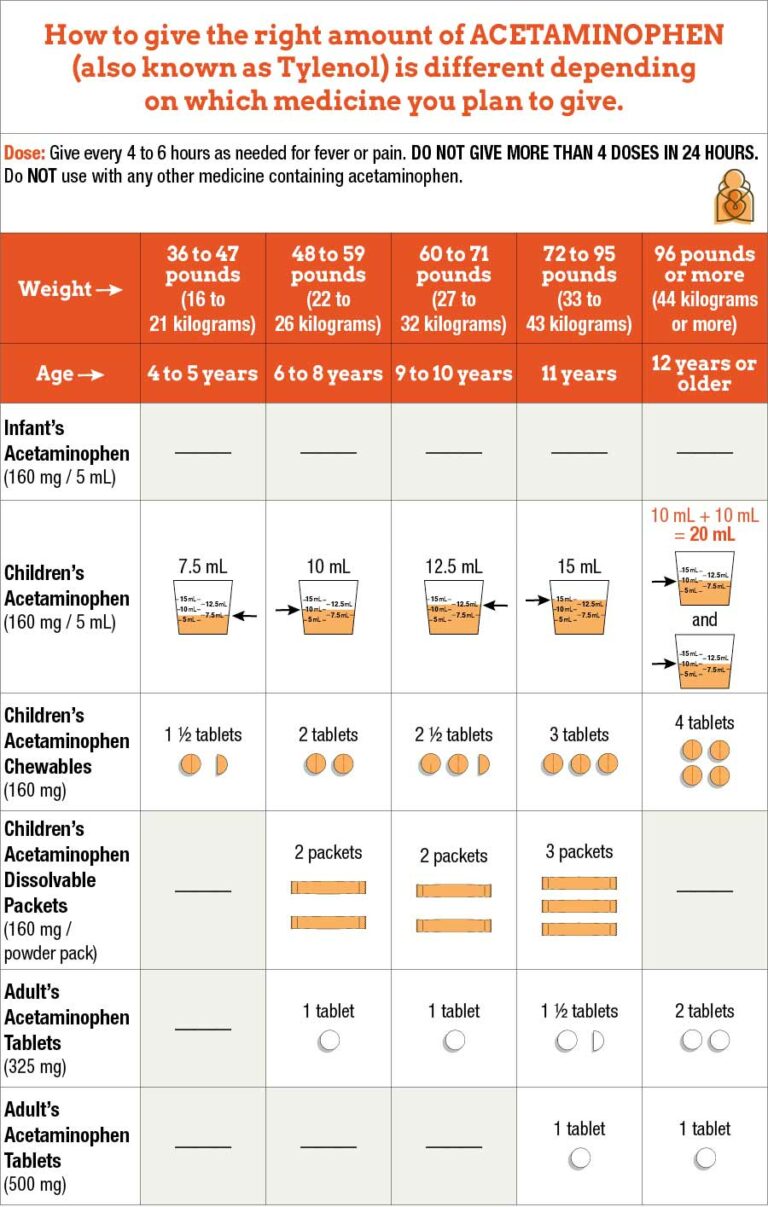
If you have stomach issues or other health concerns that prevent NSAID use, acetaminophen (Tylenol) provides solid pain relief. Stick to the recommended dose—no more than 3,000–4,000 mg per day—and avoid alcohol while using it to prevent liver damage. While it won’t reduce swelling, it will help manage the ache.
Combine Ibuprofen and Acetaminophen for Maximum Effect
For intense pain, dentists often recommend alternating ibuprofen and acetaminophen. For example: take ibuprofen at 10 a.m., acetaminophen at 1 p.m., ibuprofen again at 4 p.m. This staggered approach keeps pain under control without exceeding safe limits. Always read labels and consult a pharmacist if unsure.
Use Benzocaine Gels Only as Directed
Topical numbing gels like Orajel or Anbesol contain benzocaine, which temporarily numbs the gum. Apply a thin layer directly to the painful spot with a clean finger or swab. Avoid swallowing and never use in children under 2 due to the risk of methemoglobinemia. Overuse can irritate tissues, so limit applications to 3–4 times daily.
Maintain Oral Hygiene to Prevent Flare-Ups
Managing pain isn’t just about relief—it’s also about preventing repeated episodes through proper care.
Keep the Back Molars Clean
Brush gently with a soft-bristled toothbrush, angling it toward the back molars to remove debris. Floss daily using a floss threader or interdental brush to reach tight spots. A water flosser is especially useful for flushing out food under gum flaps. For deep cleaning, use a curved-tip syringe filled with warm saltwater to irrigate the area after meals.
Eat Soft, Non-Irritating Foods
Stick to soft, lukewarm foods that won’t irritate or get stuck. Good choices include mashed potatoes, yogurt, scrambled eggs, applesauce, smoothies (without seeds), oatmeal, and lukewarm soups. Avoid popcorn, chips, nuts, and sticky or sugary foods—they can lodge under the gum and worsen infection.
Avoid Smoking, Alcohol, and Straws
Smoking or vaping increases the risk of dry socket, especially after extraction, and delays healing. Alcohol can dehydrate tissues and interact with pain medications. After a procedure, avoid both for at least 72 hours. Also, do not use straws—suction can dislodge blood clots.
Minimize Nighttime Pain and Improve Sleep
Wisdom tooth pain often feels worse at night due to increased blood flow to the head when lying down.
Elevate Your Head While Sleeping
Use 1–2 extra pillows to keep your head elevated. This reduces throbbing and swelling. Combine this with a pre-bed saltwater rinse to clear debris and calm inflammation.
Apply a Cold Pack Before Bed
If swelling is present, apply a cold compress for 10–15 minutes before sleep. This numbs the area and helps you fall asleep faster.
Wear a Nightguard If You Grind Your Teeth
Teeth grinding (bruxism) puts extra pressure on the jaw and back teeth. An OTC or custom nightguard can protect your teeth and reduce strain on the wisdom tooth area.
Recognize When to See a Dentist Immediately
Home care helps, but some symptoms mean you need professional help—fast.
Watch for Emergency Warning Signs
Seek immediate dental care if you have:
– Fever or chills
– Swelling that spreads to your face, jaw, or neck
– Pus or foul taste indicating infection
– Difficulty swallowing or breathing—a sign of Ludwig’s angina, a medical emergency
– Jaw stiffness (trismus)—inability to open your mouth fully
– Pain that lasts more than 3–5 days despite treatment
These signs suggest abscess, severe impaction, or systemic infection, all requiring urgent attention.
Know When Extraction Is the Best Option
If you have recurring pain, infection, or damage to nearby teeth, your dentist may recommend wisdom tooth extraction. This is the most common definitive solution. Fully impacted teeth or those causing crowding often need removal to prevent long-term issues.
Follow Post-Procedure Care to Heal Faster

After extraction, proper care prevents complications and speeds recovery.
Prevent Dry Socket with Smart Habits
Dry socket—when the blood clot dissolves or dislodges—causes severe pain 2–4 days post-op. Prevent it by:
– Avoiding straws, spitting, and smoking for 48 hours
– Not rinsing vigorously
– Eating soft foods
– Keeping the area clean with gentle saltwater rinses after 24 hours
Track Healing Milestones
Expect soreness and swelling for 2–3 days. Most people feel much better within 7–10 days. If pain increases after day 3 or you see exposed bone, contact your dentist immediately.
Special Considerations for Teens, Pregnant Women, and High-Risk Patients
Certain individuals need extra caution.
Pregnant? Use Safe Remedies Only
During pregnancy, acetaminophen (Tylenol) is the preferred pain reliever. Avoid ibuprofen after 20 weeks unless approved by your OB-GYN. Stick to saltwater rinses and cold compresses. Always consult your healthcare provider before taking any medication.
Teens and Braces Users Need Extra Care
Teens with braces may find food trapped around erupting wisdom teeth. Use a water flosser or floss threader to clean thoroughly. Early dental evaluation (ages 15–22) makes extraction easier and recovery faster.
Chronic Conditions Require Caution
If you take blood thinners, inform your dentist before any procedure. Those with diabetes or weakened immunity have higher infection risks and need close monitoring. If you have kidney disease or ulcers, consult your doctor before using NSAIDs.
Prevent Future Problems with Early Dental Visits
Prevention starts before pain appears. Schedule early exams to catch issues early. X-rays can reveal impaction or alignment problems. Even if you’re not in pain, your dentist might recommend preventive extraction if imaging shows high risk of cysts, damage, or recurrent infections. Early removal leads to faster healing and fewer complications.
Final Note: While remedies like saltwater rinses, clove oil, and OTC painkillers can temporarily relieve wisdom tooth pain, they don’t fix the root cause. Persistent or worsening symptoms require professional evaluation. Ignoring the pain can lead to abscesses, cysts, or damage to neighboring teeth. The best approach combines immediate relief with timely dental care. By acting early, you protect your smile, avoid emergencies, and reduce long-term complications.