Tooth decay doesn’t happen overnight—but once it starts, it can progress quickly if left unchecked. The good news? You can reverse early tooth cavities before they become permanent damage. Most people believe cavities always require fillings, but science shows that in the earliest stage—when decay is limited to enamel demineralization—your body can repair the damage naturally through a process called remineralization.
This stage often appears as white spots on the teeth and causes no pain, making it easy to miss without a dental check-up. Left untreated, these spots turn into full cavities that require drilling and fillings. But with the right combination of fluoride, diet, oral hygiene, and professional care, you can stop decay in its tracks and even reverse it.
In this guide, you’ll learn exactly how to reverse early tooth decay using proven, science-backed strategies—from daily habits to dietary tweaks and dentist-approved treatments. Whether you’re trying to protect your child’s developing teeth or prevent future dental work, this step-by-step plan empowers you to take control of your oral health naturally—before it’s too late.
Spot Early Cavity Signs
Recognize White Spot Lesions
The first visible sign of tooth decay is white spot lesions—chalky, opaque areas on the enamel surface, usually near the gumline or between teeth. These spots mean minerals like calcium and phosphate have been lost due to acid attacks from oral bacteria.
Unlike full cavities, white spots do not involve structural breakdown of the tooth. The surface remains intact, which is why this stage is reversible. However, because they’re often painless and blend with natural tooth color, many people don’t notice them until a dentist points them out.
What to look for: Fuzzy white patches on front teeth, especially after waking up (plaque buildup overnight can accentuate early demineralization).
These lesions are the result of frequent acid exposure—especially from sugary or starchy foods and drinks. When saliva can’t neutralize the acid fast enough, minerals begin to leach out of the enamel. This is the perfect window to intervene. With the right actions, your teeth can rebuild their mineral structure before permanent damage occurs.
Know When It’s Too Late
Once the enamel surface breaks down and forms a physical hole, reversal is no longer possible. At this point, only a dentist can stop the decay with a filling or other restorative treatment.
Signs your decay has progressed beyond reversal:
– Sensitivity to hot, cold, or sweet foods
– Visible holes or pits in teeth
– Pain when biting down
– Brown or black discoloration
Key takeaway: No pain doesn’t mean no problem. Early decay is silent. Only regular dental visits can catch it in time.
A dentist uses tools like X-rays and laser fluorescence devices (e.g., DIAGNOdent) to detect subsurface demineralization long before it becomes visible or painful. That’s why skipping check-ups—even when your mouth feels fine—can cost you a filling later.
Use Fluoride Daily
Brush With Fluoride Toothpaste
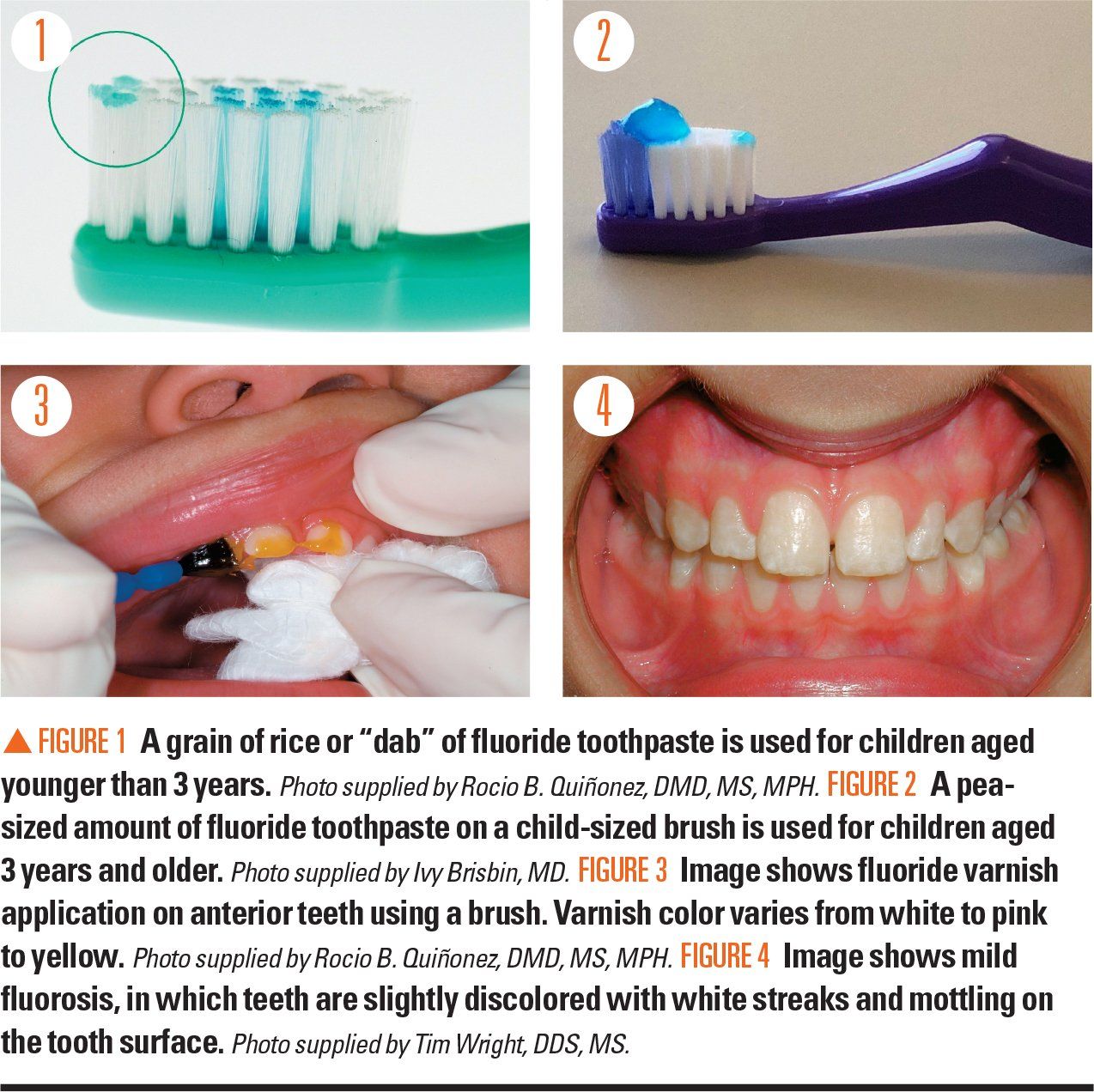
Fluoride is the most effective agent for reversing early cavities. It works by pulling calcium and phosphate back into weakened enamel, forming fluorapatite—a stronger, acid-resistant mineral compound.
Action steps:
– Use fluoride toothpaste twice daily (look for 1,000–1,500 ppm fluoride).
– Brush for two full minutes using gentle circular motions.
– Don’t rinse immediately after brushing—spit and leave the fluoride residue on teeth for continued protection.
Pro tip: For high-risk individuals (dry mouth, frequent snacking, history of cavities), dentists may recommend prescription-strength fluoride toothpaste.
Fluoride doesn’t just remineralize—it also disrupts the metabolism of Streptococcus mutans, the bacteria responsible for cavities. This dual action makes it a cornerstone of preventive dentistry.
Try Professional Fluoride Treatments
Over-the-counter products help, but professional fluoride varnish applied at the dentist’s office delivers a concentrated dose that bonds to teeth and releases fluoride over time.
- Recommended every 3–6 months for those with active demineralization.
- Quick, painless, and highly effective—especially for children and adults with dry mouth or orthodontic appliances.
Evidence: Studies show fluoride varnish reduces new cavities by up to 45% in high-risk patients.
This treatment is especially useful for children with developing teeth, adults with receding gums, or anyone with a history of frequent cavities. It’s a simple, non-invasive way to give your enamel a powerful healing boost.
Drink Fluoridated Water
Tap water in most U.S. communities contains optimal fluoride levels (0.7 ppm)—a public health measure proven to reduce cavities by 25% across all age groups.
If you drink only bottled water:
– Check the label—most contain little to no fluoride.
– Consider using filtered tap water or ask your dentist about fluoride supplements.
Myth bust: Fluoride is safe and effective at recommended levels. Community water fluoridation is endorsed by the CDC, ADA, and WHO.
Simply switching from bottled to fluoridated tap water can significantly lower your cavity risk. It’s a passive, everyday way to support remineralization without changing your routine.
Fix Your Diet
Cut Sugar and Starchy Snacks
Sugar is the primary fuel for Streptococcus mutans, the bacteria responsible for tooth decay. Every time you eat sugar or refined carbs (like chips or bread), these bacteria produce acid that attacks your enamel for up to 20–30 minutes.
Worst offenders:
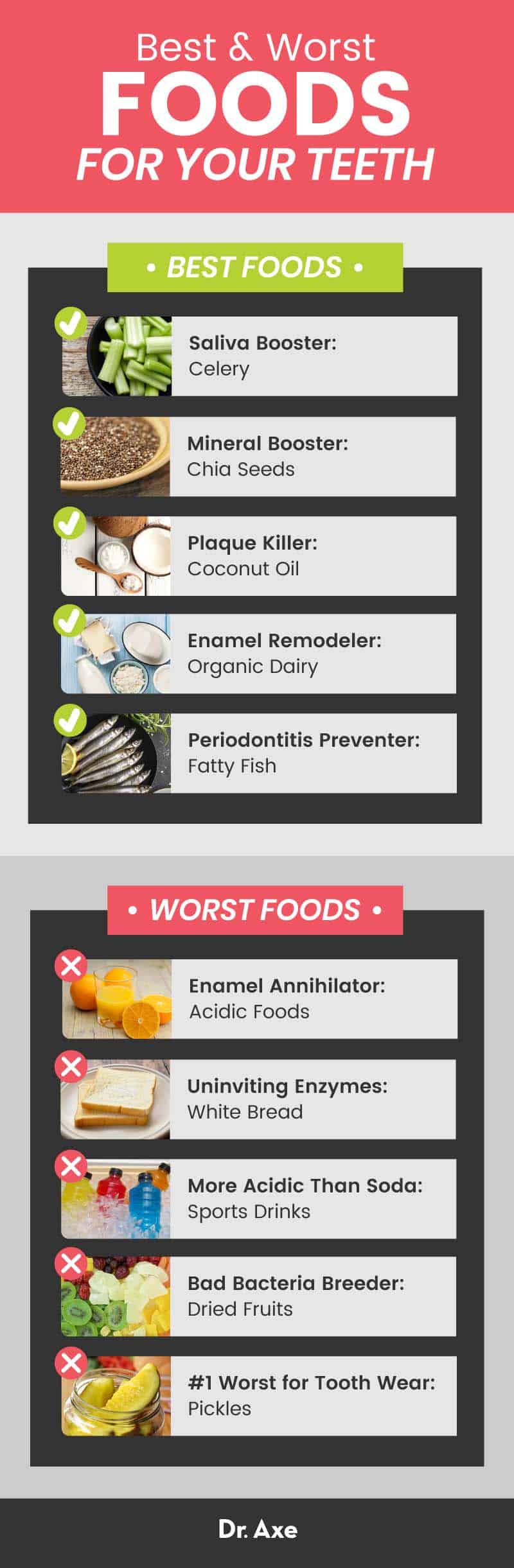
– Soda and fruit juice (even 100% juice)
– Candy, cookies, pastries
– Crackers, pretzels, white bread
– Sports and energy drinks
Rule of thumb: The more frequently you eat or sip, the greater the acid exposure. Constant snacking keeps your mouth in a state of demineralization.
Instead of grazing, aim for three balanced meals with no between-meal snacking. This gives your mouth time to neutralize acid and begin the natural remineralization process.
Eat Remineralizing Foods
Certain foods actively support enamel repair by delivering essential nutrients and stimulating protective saliva.
Top foods for reversing cavities:
– Cheese: Raises oral pH, reduces acid, and delivers calcium and phosphate.
– Leafy greens (kale, spinach): High in calcium and magnesium.
– Eggs and fatty fish (salmon, sardines): Rich in vitamin D, which enhances calcium absorption.
– Nuts and seeds (pumpkin, almonds): Provide phosphorus and healthy fats (soak or sprout to reduce phytic acid).
– Apples, carrots, celery: Fibrous foods that clean teeth and boost saliva flow.
Bonus: Chewing hard, crunchy foods acts like natural toothbrushing—stimulating gums and rinsing away debris.
These foods not only nourish your teeth but also help restore a healthy oral pH, tipping the balance from decay to healing.
Limit Phytic Acid
Phytic acid in grains, legumes, nuts, and soy binds to minerals like calcium and zinc, preventing their absorption. Chronic high intake can contribute to mineral deficiencies and weakened teeth.
Solutions:
– Soak, sprout, or ferment nuts, seeds, and beans before eating.
– Choose sourdough bread over conventional bread—fermentation breaks down phytates.
– Reduce raw nut consumption if reversing active decay.
Historical insight: Populations eating traditional diets with low-phytate, nutrient-dense foods had near-zero cavities—until they adopted processed Western diets.
By preparing these foods properly, you can enjoy their nutrition without sacrificing your tooth strength.
Optimize Oral Hygiene
Floss Every Day
Most cavities start between teeth, where brushing can’t reach. Flossing removes plaque and food particles that feed acid-producing bacteria.
Best practices:
– Floss before bedtime to eliminate daily buildup.
– Use a gentle sawing motion—don’t snap floss into gums.
– Consider interdental brushes or water flossers for tight spaces or braces.
Fact: 90% of interproximal (between-teeth) cavities begin in areas missed by brushing alone.
Flossing isn’t just about preventing cavities—it’s about removing the invisible biofilm that drives decay. Make it non-negotiable, just like brushing.
Try Xylitol Gum
Chewing sugar-free gum with xylitol after meals stimulates saliva flow, which neutralizes acids and delivers remineralizing minerals.
Why xylitol works:
– Bacteria can’t metabolize xylitol, so they starve instead of producing acid.
– Regular use reduces S. mutans levels over time.
Dosage: 5–6 grams per day, spread across 3–5 uses (e.g., one piece after each meal).
Note: Avoid xylitol if you have pets—highly toxic to dogs.
Xylitol is a powerful tool, especially for people who can’t brush after lunch. It’s a simple, effective way to protect your teeth on the go.
Consider Oil Pulling
Swishing coconut or sesame oil for 10–20 minutes may reduce plaque and gingivitis by pulling out bacteria and toxins.
How to do it:
– Swish 1–2 tablespoons of oil upon waking (before eating or drinking).
– Do not swallow—spit into trash (can clog pipes).
– Follow with regular brushing.
Evidence: Some studies show reduced S. mutans after 30 days of daily use. However, oil pulling should not replace brushing, flossing, or fluoride.
Think of it as a complementary habit—not a cure-all. It may help reduce bacterial load, but it won’t reverse decay without the other key elements.
Balance Your Mouth’s pH

Neutralize Acid After Eating
Every meal lowers your mouth’s pH, creating a temporary acidic environment. Saliva normally restores balance within 20–30 minutes, but frequent eating prevents recovery.
Protect your enamel:
– Wait 30 minutes after eating before brushing—acid softens enamel, and brushing too soon can cause wear.
– Rinse with water after meals to dilute acids.
– Chew xylitol gum to speed up pH recovery.
This short waiting period protects your enamel from mechanical damage while allowing time for natural remineralization to begin.
Stay Hydrated
Dry mouth increases cavity risk because saliva is essential for remineralization. It contains calcium, phosphate, and buffering agents that protect teeth.
Boost saliva:
– Drink water throughout the day.
– Avoid alcohol-based mouthwashes—they dry the mouth.
– Use a humidifier at night if you breathe through your mouth.
Red flag: Medications (antihistamines, antidepressants), autoimmune conditions (Sjögren’s), and mouth breathing can cause chronic dry mouth—ask your dentist for solutions.
Saliva is your mouth’s natural defense system. Keep it flowing to keep your teeth strong.
Try Alkalizing Alternatives
Replace acidic drinks with ones that support a healthy oral environment.
Better choices:
– Green tea: Contains catechins that inhibit harmful bacteria and reduce inflammation.
– Kefir or kombucha: Probiotic beverages that promote a balanced oral microbiome.
– Milk: Neutral pH, rich in calcium and casein (a protein that helps repair enamel).
Avoid: Lemon water, black coffee, and carbonated drinks—even sugar-free ones erode enamel over time.
Small swaps can make a big difference in your mouth’s long-term health.
Visit Your Dentist Regularly
Get 6-Month Check-Ups
Only a dentist can detect early demineralization before it becomes a cavity. During routine visits, they use tools like:
– Visual inspection
– Dental X-rays
– Laser fluorescence devices (e.g., DIAGNOdent)
These methods identify white spots and subsurface decay invisible to the naked eye.
Example: A child with no symptoms may have multiple white spots caught early—allowing reversal with fluoride and diet instead of fillings.
Early detection is your best defense. Don’t wait for pain—by then, the window for reversal has likely closed.
Ask About Sealants
Dental sealants are thin plastic coatings applied to the chewing surfaces of molars, where deep grooves trap food and bacteria.
- Prevent up to 80% of molar cavities.
- Recommended for children as soon as permanent molars erupt (ages 5–7 and 11–14).
- Can also benefit adults with deep grooves or high cavity risk.
Bonus: Sealants are painless, quick, and often covered by dental insurance.
They’re a simple, one-time application that can protect your teeth for years.
Schedule Professional Cleanings
Even with perfect brushing, plaque hardens into tartar (calculus) over time, which can only be removed by a dental hygienist.
- Tartar harbors bacteria and accelerates decay and gum disease.
- Cleanings every 6 months keep your mouth clean and healthy.
High-risk patients (gum disease, dry mouth, braces) may need cleanings every 3–4 months.
Professional cleanings remove what home care can’t—giving your remineralization efforts the best chance to succeed.
When Reversal Isn’t Possible
Know the Limits of Natural Healing
Once a cavity forms—a visible hole or structural defect in the tooth—natural reversal is impossible. The body cannot regenerate lost enamel. At this stage, professional treatment is mandatory.
Treatment options:
– Composite fillings: Tooth-colored resin for small to medium cavities.
– Amalgam fillings: Durable option for back teeth.
– Crowns: For large cavities that compromise tooth strength.
– Root canal or extraction: If decay reaches the nerve.
Warning: Delaying treatment increases the risk of pain, infection, abscess, and tooth loss.
Natural methods only work for early, asymptomatic decay. If you see a hole or feel pain, see a dentist immediately.
Avoid Dangerous Myths
| Myth | Reality |
|---|---|
| “Oil pulling can heal deep cavities.” | It may reduce plaque but cannot repair structural damage. |
| “No pain means I’m safe.” | Early decay is painless. Pain means it’s already advanced. |
| “I can reverse a black spot.” | Dark spots usually indicate irreversible decay—see a dentist immediately. |
Bottom line: Home care works only for early, asymptomatic decay confirmed by a dentist.
Track Progress and Prevent Recurrence
Monitor Healing Over Time
Reversal isn’t instant. With consistent care, you may see improvement in 4–8 weeks, but full remineralization can take 3–6 months.
Signs of progress:
– White spots become less opaque or disappear.
– Reduced sensitivity.
– Cleaner appearance after brushing.
Tip: Take close-up photos every month to track changes (use good lighting and consistent angles).
Regular dental check-ups will also show whether the lesion is healing or progressing.
Maintain a Cavity-Free Lifestyle
Prevention doesn’t end when the white spots fade. To avoid future decay:
– Continue using fluoride toothpaste daily.
– Limit sugary and acidic foods.
– Floss every night.
– Visit your dentist every 6 months.
Lifelong benefit: Healthy habits now reduce your risk of cavities, gum disease, and tooth loss later in life.
Final Note: Early tooth decay can be reversed—but only if caught in time. By combining daily fluoride use, smart dietary choices, excellent oral hygiene, and regular dental visits, you can stop cavities before they start. Don’t wait for pain. Take action today to heal your teeth naturally and preserve your smile for life.