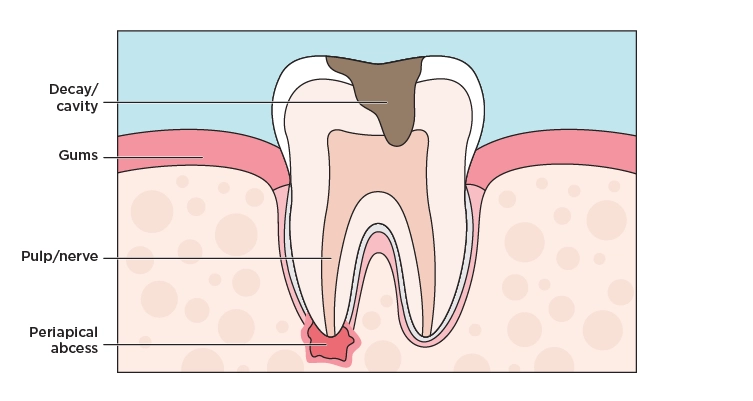
Severe, throbbing tooth pain that won’t go away is often a sign of a tooth abscess—an intense bacterial infection that forms a pocket of pus in or around the tooth root or gums. This condition isn’t just a bad toothache; it’s a dental emergency that can spread to your jaw, neck, and even vital organs if left untreated. While only a dentist can cure a tooth abscess, there are safe, effective ways to soothe tooth abscess pain at home while you wait for professional care.
Ignoring the pain—even if it suddenly stops—can be deadly. A disappearing ache may mean the nerve inside your tooth has died, not that the infection is gone. Bacteria continue spreading, risking complications like sepsis, brain abscess, or airway blockage. This guide gives you immediate relief strategies, warns against dangerous home “fixes,” and explains what to expect from real treatment so you can act fast and protect your health.
Recognize Abscess Symptoms Early

Severe, Persistent Pain That Radiates
The most obvious sign of a tooth abscess is deep, unrelenting pain that feels like a constant throb or sharp stab. It often starts with sensitivity to hot or cold but escalates into a relentless ache that worsens when chewing or lying down. The pain may radiate to your ear, jaw, or neck, making it hard to pinpoint the source.
Even if the pain lessens, don’t assume you’re healing. A dying nerve can stop sending pain signals, but the infection remains active and dangerous.
Swelling, Pus, and Gum Boils
Look for visible signs of infection:
– A red, swollen bump on the gum (like a pimple)
– Pus draining from the gum near the tooth
– Swollen cheek or face
– Tender, enlarged lymph nodes under the jaw
If you taste a foul, bitter fluid or have persistent bad breath, it could be pus draining into your mouth—a clear indicator of infection.
Fever and Systemic Warning Signs
A fever over 100.4°F (38°C), chills, or feeling generally unwell means the infection is spreading beyond your tooth. These are red flags that require urgent medical attention. If you develop trouble swallowing, breathing, or speaking, go to the emergency room immediately—these symptoms suggest possible airway compromise.
Immediate Pain Relief Techniques

Apply a Cold Compress to Reduce Swelling
Place an ice pack wrapped in a thin cloth against your cheek for 15 minutes on, 10 minutes off. This reduces blood flow to the area, decreasing swelling and numbing the pain. Never apply ice directly to the skin—always use a barrier to prevent frostbite.
Pro tip: Use a reusable gel pack from the freezer for consistent cooling without mess.
Keep Your Head Elevated at Night
Lying flat increases pressure in your head, intensifying tooth pain. Sleep with your head propped up on an extra pillow. This simple change can make a big difference in nighttime discomfort.
Avoid Pressure on the Infected Tooth
Don’t chew on the side of the abscess. Stick to soft foods like yogurt, soup, or mashed potatoes. Avoid extreme temperatures and sugary foods that can trigger sensitivity.
Best Home Remedies for Pain Relief
Rinse with Saltwater to Fight Infection
Mix ½ to 1 teaspoon of salt in a cup of warm water. Swish for 30 seconds to 2 minutes, then spit—do not swallow. Repeat 3–4 times daily.
Salt creates a hypertonic environment that pulls fluid from inflamed tissues and kills bacteria. It also helps clean the area and may encourage minor drainage. Use warm—not hot—water to avoid irritation.
Use Clove Oil for Natural Pain Relief
Dilute 3–5 drops of clove oil in 1 tablespoon of carrier oil (like coconut or olive oil). Soak a cotton ball and press it against the painful tooth for 2–3 minutes.
Clove oil contains eugenol, a natural anesthetic used in dentistry for temporary pain control. It also has antimicrobial effects.
Caution: Never apply undiluted clove oil—it can burn gum tissue. Test on a small area first.
Try Hydrogen Peroxide for Antibacterial Action
Mix equal parts 3% hydrogen peroxide and water. Swish for 30 seconds, then spit. Use once or twice daily.
This solution kills bacteria and reduces inflammation. However, do not swallow it—ingesting peroxide can cause nausea or stomach upset.
Use Baking Soda to Neutralize Mouth Acidity
Combine ½ teaspoon baking soda, ½ cup water, and a pinch of salt. Swish for up to 5 minutes, then spit.
Baking soda raises your mouth’s pH, making it harder for acid-producing bacteria to thrive. It also has mild antiseptic properties.
Over-the-Counter Pain Relief Options
Take Ibuprofen to Reduce Pain and Swelling
Take 200–400 mg of ibuprofen every 6 hours as needed. It’s especially effective because it reduces both pain and inflammation caused by infection.
Note: Do not exceed 1,200 mg per day unless directed by a doctor. Avoid if you have kidney disease or stomach ulcers.
Use Acetaminophen If You Can’t Take NSAIDs
Take 500–1,000 mg of acetaminophen every 6 hours for pain relief. It won’t reduce swelling but helps dull the ache.
Warning: Do not exceed 3,000 mg per day to avoid liver damage.
Combine Ibuprofen and Acetaminophen for Severe Pain
For intense pain, alternate the two every 3 hours:
– 9:00 AM – 400 mg ibuprofen
– 10:30 AM – 1,000 mg acetaminophen
– 12:00 PM – 400 mg ibuprofen
– 1:30 PM – 1,000 mg acetaminophen
This combination can provide stronger relief than either alone. Consult a doctor before long-term use.
Natural Remedies with Limited Evidence
Apply Crushed Garlic for Antibacterial Effects
Crush a fresh garlic clove to release allicin, its active compound. Apply the paste directly to the tooth or gently bite and hold it in place.
Garlic has natural antimicrobial and mild pain-relieving properties, but its strong odor and potential for tissue irritation limit its use.
Use a Peppermint Tea Bag for Cooling Relief
Steep a peppermint tea bag, let it cool, and press it against the sore area for 5–10 minutes. The menthol offers a mild numbing effect, while tannins may reduce inflammation.
Best for temporary, mild relief.
Try Oil Pulling with Coconut Oil
Swish 1 tablespoon of coconut oil for 10–20 minutes, then spit into the trash (not the sink—it can clog pipes).
Some studies suggest oil pulling reduces harmful bacteria and plaque, but it does not provide fast pain relief. Best used as a preventive measure.
Apply Aloe Vera Gel to Soothe Swollen Gums
Use food-grade aloe vera gel directly on the affected gum. Chill it first for an extra cooling, soothing effect.
Aloe has natural antibacterial properties and supports tissue healing. Choose pure gel without alcohol or added sugars.
What NOT to Do With a Tooth Abscess
Never Try to Pop the Abscess
Do not squeeze or puncture the pus-filled bump. This can force bacteria deeper or into the bloodstream, risking Ludwig’s angina or sepsis.
Myth: “Draining it at home will help it heal.”
Truth: Only a dentist should drain an abscess under sterile conditions.
Avoid Heat on Swollen Areas
Heat increases blood flow, which can worsen swelling and spread infection. Stick to cold compresses only.
Don’t Place Aspirin on the Tooth or Gum
Aspirin applied directly causes chemical burns and delays healing. It doesn’t absorb well through gum tissue.
Take aspirin orally only—and never give it to children due to Reye’s syndrome risk.
Stop Smoking and Vaping Immediately
Tobacco reduces blood flow to gums, slows healing, and increases infection risk. Smoking after an abscess can lead to dry socket or worsening infection.
When to See a Dentist Immediately
Call Your Dentist Today If You Have:
- Severe, unrelenting tooth pain
- Visible gum boil or pus
- Swelling in face or jaw
- Fever over 100.4°F (38°C)
A tooth abscess is not a wait-and-see situation. Delaying care increases the risk of life-threatening complications.
Go to the ER for These Symptoms:
- Difficulty breathing, swallowing, or speaking
- Swelling affecting your eyes or vision
- Rapidly spreading redness on the face
- Confusion, dizziness, or high fever
These signs mean the infection is spreading and could block your airway.
Professional Treatments That Cure the Abscess
Drainage: Immediate Pressure Relief
The dentist makes a small cut to release pus, instantly reducing pressure and pain. A temporary drain may be placed to keep the area open.
Pain improves within hours.
Root Canal: Save the Tooth
If the tooth is salvageable, a root canal removes infected pulp, cleans the canals, and seals the tooth. A crown is usually placed afterward.
Success rate: Over 90% when treated early.
Tooth Extraction: Last Resort
If the tooth is too damaged, it must be removed. Healing takes 1–2 weeks, with options like implants or bridges later.
Antibiotics: Support, Not a Cure
Prescribed if infection has spread or you have a weakened immune system. Common options: amoxicillin, clindamycin, or metronidazole.
Important: Antibiotics do not eliminate the infected tooth. They control systemic spread but cannot cure the abscess.
Healing Timeline and Recovery Tips
First 24–48 Hours
- Pain and swelling begin to decrease after treatment
- Use cold compresses and OTC painkillers as needed
Days 3–7
- Most symptoms resolve
- Continue gentle brushing and flossing
- Stick to soft foods
Full Recovery: 1–2 Weeks
- Complete healing depends on infection severity
- Follow up with your dentist
Warning: If pain returns or swelling worsens, contact your dentist—this could mean reinfection.
Prevent Future Abscesses
- Brush twice daily with fluoride toothpaste—spit, don’t rinse
- Floss daily to remove plaque between teeth
- Use antimicrobial mouthwash—but not right after brushing
- Limit sugar and acidic foods
- Visit your dentist every 6 months
- Treat dental injuries immediately
- Quit smoking—it doubles your risk of dental infections
Final Note: Relief Is Temporary—Treatment Is Essential
While saltwater rinses, clove oil, ibuprofen, and cold compresses can soothe tooth abscess pain, they are only stopgap measures. The infection will not go away without professional care. Delaying treatment risks severe, even fatal, complications.
Act now: Call your dentist today. If unavailable, go to urgent care or the ER. A tooth abscess is not just a dental problem—it’s a whole-body emergency. Treat it with the urgency it demands.