If you’re lying in bed with a relentless, pulsing ache in your tooth, you know how unbearable it can feel—like a drumbeat inside your jaw that won’t quit. Throbbing tooth pain is more than just discomfort; it’s your body’s urgent signal that something is wrong deep within the tooth or surrounding tissue. This rhythmic, often worsening pain typically means inflammation or infection is building pressure on the nerve inside your tooth. While home remedies can offer temporary relief, they won’t fix the root problem.
Ignoring a throbbing tooth can lead to serious complications—abscesses, bone loss, or even life-threatening infections that spread beyond the mouth. The good news? You don’t have to suffer in silence. This guide gives you a clear, step-by-step plan to stop a throbbing tooth—starting with immediate at-home relief, knowing when to seek emergency care, understanding what dentists do to fix the cause, and how to prevent future episodes. Whether it’s decay, an abscess, or grinding, you’ll learn what’s really causing your pain and exactly what to do next.
Apply a Cold Compress to Reduce Pain and Swelling

One of the fastest ways to dull throbbing tooth pain is by applying a cold compress to the outside of your cheek. Cold therapy works by constricting blood vessels, slowing down nerve signals, and reducing swelling—all of which help lower pressure inside the tooth, where the pain originates.
Wrap a bag of ice, frozen gel pack, or even a bag of frozen peas in a thin cloth to protect your skin. Press it against the painful side of your face for 15 minutes, then remove it for 15 minutes. Repeat this cycle every hour as needed. The cold numbs the area and can provide noticeable relief within minutes.
Pro tip: A bag of frozen vegetables molds perfectly to your face and is safe to reuse. Never apply ice directly to the skin—it can cause frostbite or irritation.
Take Effective Pain Relievers for Fast Relief
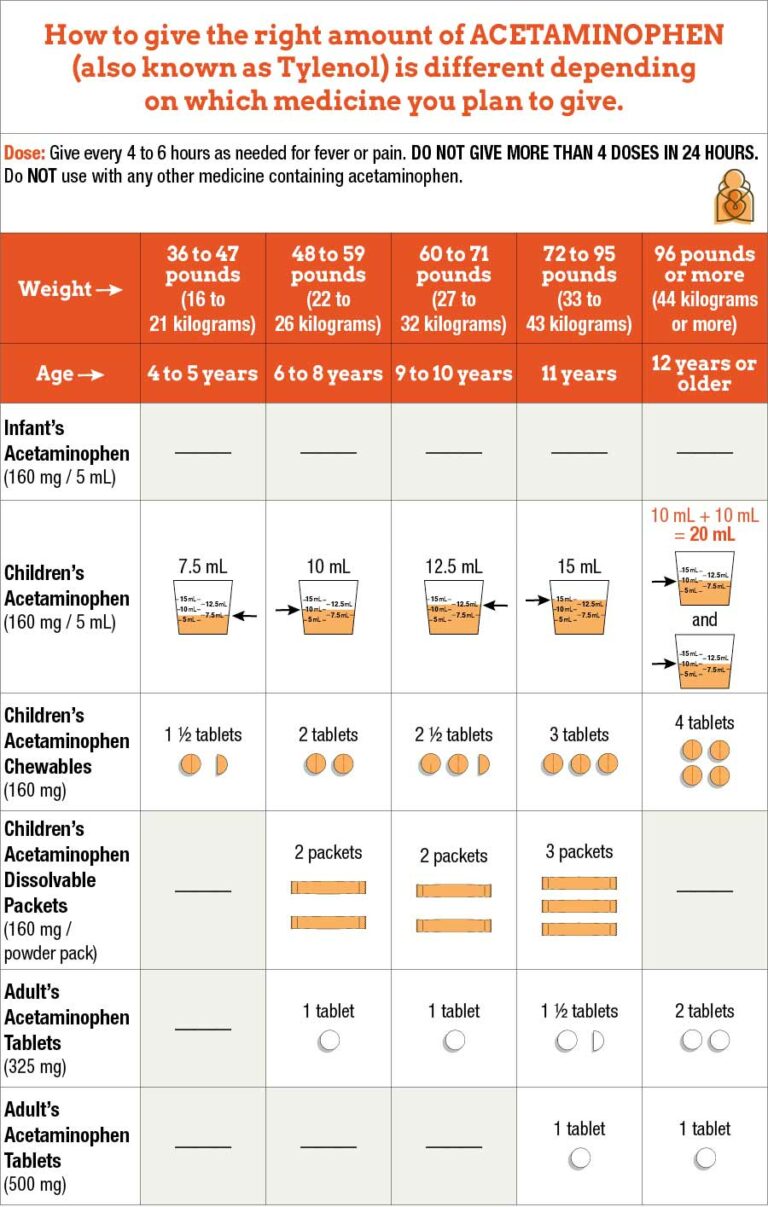
Over-the-counter painkillers are essential when dealing with acute tooth pain. Ibuprofen (Advil, Motrin) is the most effective option because it’s an NSAID—meaning it reduces both pain and inflammation. For best results, take 400 mg every 6–8 hours (if approved for your health). This dose has been shown in studies to outperform many other OTC options for dental pain.
If you can’t take NSAIDs due to stomach or kidney issues, acetaminophen (Tylenol) is a solid alternative, though it only treats pain, not swelling.
For stubborn pain, try alternating ibuprofen and acetaminophen every three hours (e.g., ibuprofen at 9 AM, Tylenol at 12 PM). This combination can offer stronger relief without exceeding daily limits.
⚠️ Never place aspirin directly on your tooth or gums—it can burn soft tissue and make things worse.
Use a Salt Water Rinse to Soothe and Clean
A simple, safe, and highly effective remedy is a warm salt water rinse. Salt creates a slightly alkaline environment that discourages bacterial growth, reduces inflammation, and helps draw out fluid from swollen tissues.
Mix ½ to 1 teaspoon of salt in 8 ounces of warm water. Swish gently around the affected area for 30 seconds, then spit—do not swallow. Repeat every 2–3 hours, especially after meals or if food is trapped.
This rinse is ideal if you suspect gum irritation, minor infection, or food debris is aggravating the area. It’s safe for repeated use and particularly helpful before bedtime to reduce overnight inflammation.
Try Clove Oil for Natural Numbing
Clove oil contains eugenol, a natural compound used in dental offices as a temporary anesthetic and antiseptic. It can significantly numb the area and reduce pain within minutes.
Soak a cotton ball in 1–2 drops of clove oil and gently dab it on the painful tooth and gum. Reapply every few hours as needed. You can also use a whole clove—place it near the tooth and bite down gently to release the oils.
⚠️ Use with caution: undiluted clove oil can irritate sensitive gum tissue. Avoid if you’re on blood thinners or have open sores.
Try a Peppermint Tea Bag for Calming Relief
Peppermint contains menthol, which has mild numbing and calming effects on nerve pain. Steep a peppermint tea bag in boiling water, let it cool, then place it against the sore tooth for 20 minutes. For extra relief, chill it in the freezer first.
Black tea works too—the tannins have natural antiseptic properties that may help fight bacteria.
Try Other Natural Oils and Extracts
Several household items can offer mild, temporary relief:
- Vanilla extract: Contains eugenol; soak a cotton ball and press on the tooth
- Thyme oil: Mix with water and gargle—strong antibacterial effect
- Tea tree oil: Dilute and apply—fights infection but never swallow
- Coconut oil: Swish (oil pulling) or apply directly—anti-inflammatory
Use only a few drops and avoid ingesting essential oils.
Eat Soft, Neutral Foods to Avoid Aggravating the Tooth
Hard, crunchy, hot, cold, or sugary foods can trigger sharp pain. Stick to soft, room-temperature foods like yogurt, mashed potatoes, scrambled eggs, or smoothies. Always chew on the opposite side of your mouth to avoid putting pressure on the painful tooth.
Avoid ice cream, soda, coffee, gum, and chips—they’ll only make things worse.
What to Avoid During a Toothache
Some common “remedies” actually make pain worse or damage tissue.
| Do This | Don’t Do This |
|---|---|
| Use a cold compress | Apply heat—it increases blood flow and swelling |
| Take ibuprofen orally | Place aspirin on the gum—it causes chemical burns |
| Rinse with salt water | Swallow hydrogen peroxide |
| Floss gently | Poke the area with sharp objects |
| Elevate your head | Lie flat—it increases pressure in the tooth |
| See a dentist within 48 hours | Wait and hope it goes away |
Never use alcohol (like whiskey or vodka) to numb pain—it may disinfect briefly but irritates tissues and delays healing.
Root Causes of Throbbing Pain: Know What You’re Dealing With
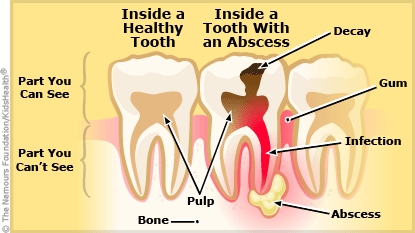
Throbbing pain means pressure on the nerve. Common causes include:
- Tooth decay: Cavities reach the pulp, causing inflammation (pulpitis)
- Dental abscess: Pus-filled infection—requires antibiotics and root canal
- Cracked tooth: Bacteria invade the pulp; pain flares when chewing
- Impacted wisdom teeth: Trapped bacteria cause gum swelling and referred pain
- Gum disease: Deep infection around roots leads to chronic ache
- Teeth grinding (bruxism): Wears enamel, stresses teeth—pain in the morning
- Sinus infection: Pressure on upper tooth roots mimics tooth pain
- TMJ disorder: Jaw joint issues cause radiating pain to teeth and ears
When to See a Dentist Immediately
Home care is temporary. Seek professional help if you have:
- Pain lasting more than 1–2 days
- Facial swelling, fever, or pus
- Difficulty opening your mouth or swallowing
- A loose or broken tooth
- Pain that wakes you at night
Even if pain suddenly stops, the nerve may have died—not healed. Infection can still spread.
Go to the ER if swelling spreads to your eye, neck, or under your tongue, or if you have trouble breathing.
Professional Dental Treatments: What to Expect
Only a dentist can treat the cause. Here’s what they’ll likely do:
- Exam and X-ray: To find decay, cracks, or bone loss
- Filling: For small cavities—quick and pain-relieving
- Root canal: Removes infected pulp—saves the tooth
- Crown: Covers a weakened tooth after a large filling or root canal
- Extraction: If the tooth can’t be saved
- Antibiotics: For abscesses—but dental work is still required
- Night guard: If grinding is the cause
Prevention: Stop Pain Before It Starts
The best way to stop a throbbing tooth is to prevent it:
- Brush and floss daily with fluoride toothpaste
- Limit sugary and acidic foods
- Visit your dentist every 6 months
- Wear a night guard if you grind
- Use a mouthguard during sports
FAQs: Quick Answers to Common Questions
How long can I wait to see a dentist?
Max 48 hours. Delaying increases infection risk.
Best painkiller for tooth pain?
Ibuprofen 400 mg—reduces pain and swelling.
Why does it hurt more at night?
Lying flat increases blood pressure in your head. Sleep with an extra pillow.
Can a toothache go away on its own?
Minor gum irritation might. But decay, infection, or cracks won’t heal without treatment.
Can sinus issues cause tooth pain?
Yes—but always see a dentist first to rule out dental causes.
What if my filling fell out?
Cover with sugar-free gum or dental cement. See a dentist within 24–48 hours.
Final Action Plan: Stop Throbbing Tooth Pain Now
-
Relieve Pain Fast:
– Take ibuprofen (400 mg)
– Apply cold compress (15 min on, 15 min off)
– Rinse with warm salt water
– Use clove oil or peppermint tea bag -
Avoid Aggravators:
– No hot, cold, or sweet foods
– Don’t lie flat—elevate your head
– Skip alcohol, smoking, and heat -
Call Your Dentist:
– Book within 24–48 hours
– Go to ER if swelling, fever, or breathing issues occur -
Prevent Future Pain:
– Brush and floss daily
– See your dentist twice a year
– Wear a night guard if you grind
Bottom Line: A throbbing tooth is not just pain—it’s a warning. While home remedies can help you survive the night, only a dentist can fix the problem. Ignoring it risks tooth loss, infection, or worse. Act fast, get care, and protect your smile.