You’ve just had a tooth pulled, and now you’re staring at a blood-soaked gauze pad, wondering if this is normal. It’s completely understandable to feel uneasy—seeing blood in your mouth can be alarming. But here’s the reassurance: mild bleeding after tooth extraction is expected, and in most cases, it can be controlled at home with simple, effective steps.
The key to stopping post-extraction bleeding lies in helping your body form a stable blood clot in the socket. This clot acts like a natural scab, protecting the exposed bone and nerves, preventing infection, and laying the foundation for healing. While a little oozing or pink-tinged saliva for up to 48 hours is normal, active, persistent bleeding—especially if it soaks through gauze every 10–15 minutes or spurts with your pulse—needs immediate attention.
This guide delivers dentist-approved techniques to stop bleeding fast, protect your clot, and avoid complications like dry socket. Whether you’re recovering from a simple extraction or wisdom tooth removal, these actionable steps will help you heal safely and comfortably.
Apply Firm Pressure with Gauze

The most effective first step to stop bleeding after a tooth extraction is applying continuous, direct pressure. This mechanical force helps constrict blood vessels and jumpstarts the clotting process.
Use Sterile Gauze Correctly
- Fold a clean, sterile gauze pad into a small square that fits snugly over the extraction site.
- Place it directly on the wound and bite down firmly for 30 to 60 minutes.
- Keep steady pressure—don’t peek or remove the gauze early, as this can disrupt the forming clot.
- Replace with a fresh gauze every 30–45 minutes if bleeding continues.
Avoid sleeping with gauze in your mouth due to the risk of accidental swallowing or choking.
Keep Gauze Slightly Damp
Dry gauze can stick to the clot and pull it loose when removed. Dampen it slightly with sterile water or saline before use. This improves adhesion without compromising pressure and makes removal safer.
If bleeding persists after 2–3 rounds of gauze, move on to the tea bag method.
Try a Moistened Tea Bag

When gauze isn’t enough, a black tea bag is a powerful natural alternative. The tannic acid in black tea acts as a natural astringent, tightening blood vessels and strengthening the clot.
How to Use a Tea Bag
- Soak a black tea bag in hot water for 2–3 minutes.
- Let it cool until warm (not hot) to avoid tissue damage.
- Squeeze out excess liquid—moist, not dripping.
- Place directly over the extraction site and bite down gently for 20 to 45 minutes.
Black tea is more effective than green tea due to its higher tannin content. Repeat once if needed.
Why It Works
Tannic acid promotes vasoconstriction and enhances coagulation. Many dentists recommend this method for patients with prolonged oozing, especially when traditional gauze fails.
Reduce Bleeding with Cold Therapy
Cold therapy helps constrict blood vessels, reducing blood flow to the extraction site and minimizing both bleeding and swelling.
Apply Ice to the Cheek
- Wrap ice cubes in a thin cloth or gauze.
- Hold against the outside of your cheek, directly over the extraction area.
- Use in 15–20 minute intervals, followed by 10-minute breaks.
Never apply ice directly to the skin—this can cause frostbite.
Avoid Sucking on Ice
Never suck on ice cubes or place them inside the socket. The suction and extreme cold can dislodge the clot and delay healing.
Cold therapy is most effective within the first 24–48 hours after extraction.
Elevate Your Head
Keeping your head elevated reduces blood pressure in the surgical area, which helps slow bleeding and support clot stability.
Sleep with Extra Pillows
- Use 2–3 pillows to keep your head above heart level.
- Maintain this position while resting or sleeping for the first 2–3 days.
Lying flat increases blood flow to the head and can restart bleeding, especially at night.
Sit in a Recliner if Possible
A reclining chair provides natural elevation and is ideal for the first night. It also reduces the temptation to lie down fully.
Avoid Activities That Disrupt Clotting
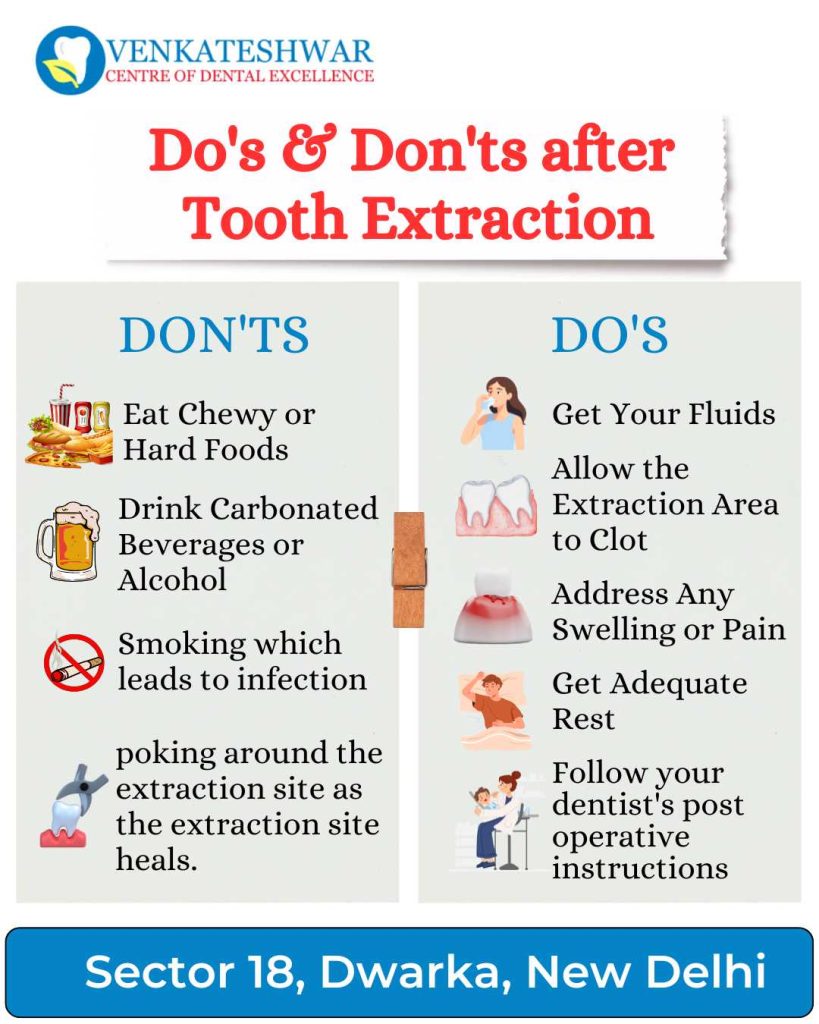
The blood clot is essential for healing. Dislodging it leads to dry socket, a painful condition that delays recovery and increases bleeding risk.
Don’t Use Straws
Sucking through a straw creates negative pressure that can pull the clot out. Avoid straws for at least 48 hours.
No Spitting or Vigorous Rinsing
Spitting or swishing hard can break the clot. Instead:
– Let saliva drain naturally.
– After 24 hours, rinse gently with warm salt water (½ tsp salt in 8 oz water).
Avoid Smoking and Vaping
Smoking is one of the top causes of dry socket. The suction and nicotine impair healing. Wait at least 48 hours—longer if possible.
Skip Hot Drinks and Alcohol
Hot liquids can dissolve the clot. Stick to cool or lukewarm beverages for the first 24 hours.
Alcohol interferes with clotting and increases bleeding risk. Avoid for at least 48 hours, or as directed by your dentist.
Follow a Safe Post-Extraction Diet
What you eat and drink plays a big role in controlling bleeding and protecting the clot.
Eat Soft, Cool Foods
Stick to gentle options for the first 24–48 hours:
– Yogurt
– Applesauce
– Mashed potatoes
– Smoothies (no straw)
– Lukewarm soups
– Ice cream (avoid chunks or nuts)
Chew on the opposite side of the extraction site.
Avoid Crunchy, Spicy, or Chewy Foods
Hard or sticky foods can get stuck in the socket and irritate the wound. Stay away from:
– Chips
– Nuts
– Popcorn
– Steak
– Gum
Carbonated drinks can also introduce gas bubbles into the socket, disrupting healing.
Recognize Warning Signs of Complications
Most bleeding stops within a few hours. But some symptoms mean you need professional help right away.
When Bleeding Is Too Severe
Contact your dentist immediately if:
– Bleeding lasts more than 4 hours despite gauze or tea bag use.
– You soak through a gauze pad every 10–15 minutes.
– Blood is pulsating or spurting, which may indicate an arterial bleed.
– You feel dizzy, weak, or nauseous, signs of excessive blood loss.
Swallowing small amounts of blood is normal, but large volumes can cause stomach upset or dark stools—seek care if this happens.
Signs of Dry Socket
Dry socket usually appears 2–4 days after extraction and includes:
– Throbbing, severe pain that spreads to your ear, jaw, or neck.
– Bad breath or foul taste.
– Visible bone in the socket.
– Pain not relieved by medication.
If you suspect dry socket, your dentist can place a medicated dressing to ease discomfort and protect the area.
Infection Red Flags
Seek urgent care if you notice:
– Increasing swelling, redness, or warmth.
– Pus or discharge from the socket.
– Fever over 100.4°F (38°C).
– Red streaks near the site, which suggest spreading infection.
Adjust Lifestyle for Faster Healing
Your daily habits in the first 48 hours can make or break your recovery.
Rest and Avoid Strenuous Activity
Exercise, heavy lifting, or bending over increases heart rate and blood pressure, which can restart bleeding.
- Avoid intense physical activity for 1–2 days.
- Take it easy—rest as much as possible.
Don’t Blow Your Nose Forcefully
If the extraction was in the upper jaw, blowing your nose can create pressure that dislodges the clot. If you must sneeze or cough, do so with your mouth open to reduce pressure.
Special Considerations for High-Risk Patients
Certain medical conditions and medications increase the risk of prolonged bleeding.
Blood Clotting Disorders
Patients with hemophilia, von Willebrand disease, or platelet dysfunction are at higher risk. These cases often require:
– Pre-surgical coordination with a hematologist.
– Use of desmopressin, factor replacements, or tranexamic acid.
Anticoagulant Medications
If you take warfarin, aspirin, or DOACs (like apixaban or rivaroxaban), don’t stop them without consulting your doctor. Studies show:
– 2.77% of warfarin users experience PEB vs. 0.39% in controls.
– DOACs carry similar bleeding risk to warfarin.
Local measures (gauze, tranexamic acid) are usually enough to manage bleeding.
Use Tranexamic Acid Mouthwash
For high-risk patients, dentists may prescribe 5% tranexamic acid mouthwash:
– Swish 10 mL for 2 minutes, 4 times daily for 2–7 days.
– Do not swallow—spit it out after use.
This antifibrinolytic agent stabilizes clots and significantly reduces bleeding.
Know When Dentist Intervention Is Needed
If home care fails, your dentist has advanced tools to stop bleeding.
Local Hemostatic Agents
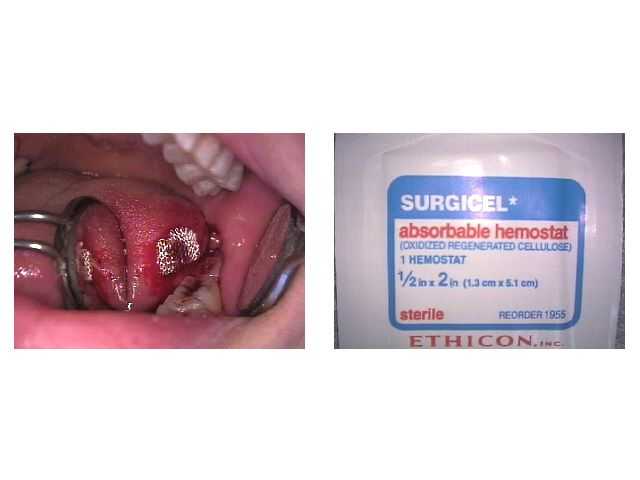
These are placed directly in the socket:
– Oxidized cellulose (Surgicel): Forms a scaffold for clotting.
– Gelatin sponge (Gelfoam): Absorbable material that supports clot formation.
– Collagen plugs: Promote platelet aggregation.
– Fibrin glue: Seals the wound and accelerates healing.
– Chitosan dressings: Naturally derived, highly effective in controlling bleeding.
These materials dissolve over time and do not require removal.
Suturing the Socket
For large extraction sites or persistent bleeding, your dentist may close the wound with dissolvable or non-dissolvable stitches. This seals the area and protects the clot.
Systemic Treatments
In severe cases, especially with underlying health issues:
– IV tranexamic acid
– Epsilon amino-n-caproic acid
– Factor concentrates or FFP transfusions
These are used in hospital or surgical settings.
Evidence Behind the Methods
Despite widespread use, no high-quality randomized trials confirm the effectiveness of most post-extraction bleeding treatments. A Cochrane review (2018) found no RCTs on gauze, tea bags, or local agents.
This means recommendations are based on:
– Clinical experience
– Physiological principles
– Expert consensus
While more research is needed, these methods remain standard due to their safety and observed success.
Frequently Asked Questions
How long should bleeding last?
- Mild oozing: Up to 24–48 hours.
- Active bleeding: Should stop within 1–2 hours with pressure.
- Beyond 4 hours: Call your dentist.
Can I swallow blood?
- Small amounts mixed with saliva are harmless.
- Large volumes may cause nausea or black stools—seek help if this occurs.
Can I sleep with bleeding?
- Yes, but remove gauze before sleeping.
- Elevate your head and use a towel to protect your pillow.
Can I eat while bleeding?
- Yes—soft, cool foods only.
- Avoid chewing near the site and using straws.
Is blood on my pillow normal?
- Light staining overnight is common.
- Use extra towels and keep your head up to reduce it.
Final Note: Stopping bleeding after tooth extraction starts with pressure, patience, and protection of the blood clot. Most cases resolve quickly with gauze, a tea bag, and smart lifestyle choices. But if bleeding is heavy, persistent, or accompanied by severe pain or dizziness, contact your dentist immediately. Early action prevents complications and ensures a smooth recovery.