Tooth pain can strike without warning, turning a regular day into an agonizing ordeal. Whether it’s a sharp jolt when biting down or a relentless throb that keeps you awake at night, knowing how to stop tooth pain is critical for immediate relief and long-term oral health. The discomfort often stems from inflammation, infection, or damage to the tooth’s inner pulp—your body’s urgent signal that something’s wrong.
While home remedies can offer quick, temporary relief, they don’t fix the root problem. Delaying professional care risks serious complications like abscesses, tooth loss, or even life-threatening infections. This guide delivers fast-acting solutions, clear warning signs that demand emergency attention, and proven strategies to prevent future pain. You’ll learn which methods work best, when to skip the hacks, and how to protect your smile—starting right now.
Immediate Home Remedies for Fast Relief
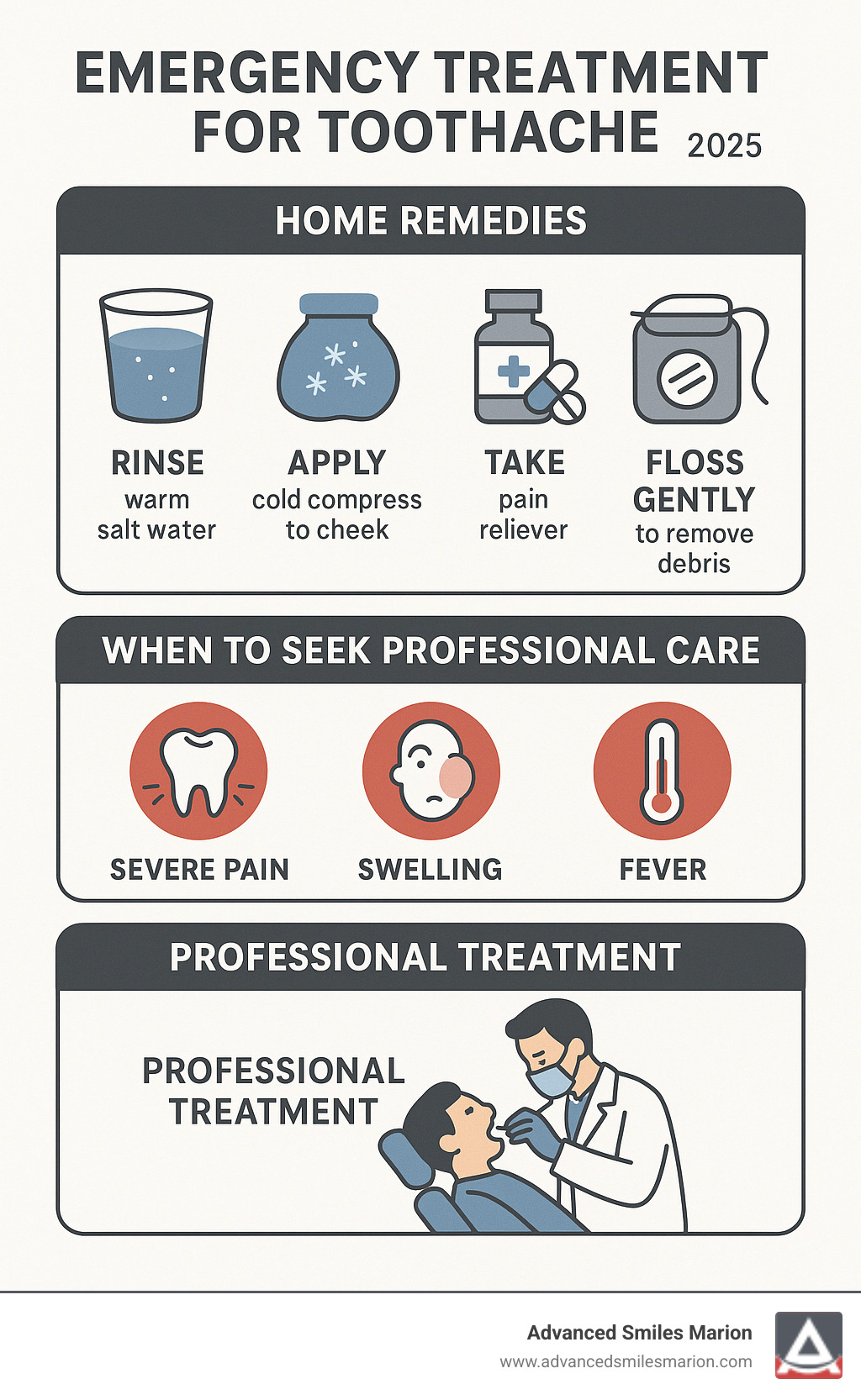
These natural, accessible solutions target pain at the source using antiseptics, anti-inflammatories, and numbing agents. Use them at the first sign of discomfort for the best results.
Rinse with Warm Salt Water
Dissolve ½ to 1 teaspoon of salt in a cup of warm water. Swish vigorously around the affected tooth for 30 seconds, then spit—do not swallow. Repeat 2–4 times daily, especially after meals or before bed.
Salt creates a high-osmotic environment that draws out fluid from inflamed tissues, reducing swelling and loosening trapped food particles. It also disrupts bacterial growth, helping prevent infection from worsening.
Pro Tip: Make this a daily habit even after pain fades—it supports gum healing and prevents reinfection.
Apply a Cold Compress to Reduce Swelling
Wrap ice in a thin cloth and press it against the outside of your cheek over the painful area. Hold for 15–20 minutes, then take a 20-minute break. Repeat every few hours.
Cold therapy constricts blood vessels, slowing blood flow to the area and reducing inflammation. This numbs nerve endings and eases throbbing pain. Never apply ice directly to the skin or teeth—this can cause tissue damage or increased sensitivity.
Visual Cue: If your gums or face appear red or puffy, cold compresses are especially effective.
Use Clove Oil for Natural Numbing
Soak a cotton ball in 1–2 drops of clove oil, diluted in 15 drops of coconut or olive oil. Press it gently against the painful tooth for 5–10 minutes.
Clove oil contains eugenol, a natural compound used in dental clinics as a temporary anesthetic and antiseptic. It begins working within minutes and can provide relief for up to an hour.
Warning: Never use undiluted clove oil—it can burn gum tissue. Avoid if you have open sores or are treating children under 2.
Swish with Diluted Hydrogen Peroxide
Mix equal parts 3% hydrogen peroxide and water. Swish gently for 30 seconds, then spit and rinse with plain water.
Hydrogen peroxide kills harmful bacteria, reduces plaque buildup, and soothes inflamed gums. It’s particularly helpful if you notice bleeding or bad breath alongside pain.
Note: Do not swallow. Safe for adults and older children, but not recommended for young kids due to swallowing risk.
Over-the-Counter Pain Relief Options
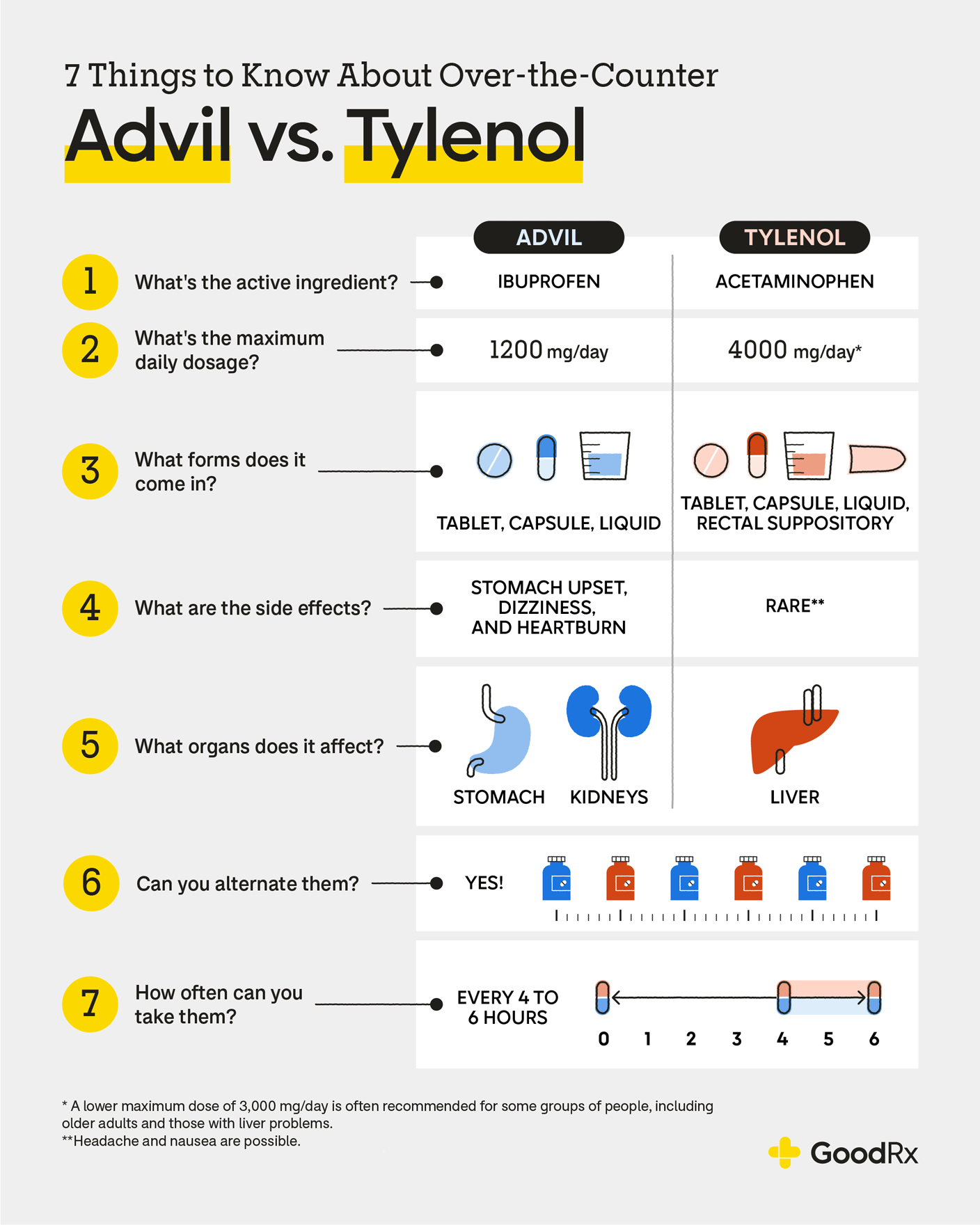
When home remedies aren’t enough, OTC medications offer stronger, systemic relief.
Take Ibuprofen to Fight Inflammation
For dental pain, ibuprofen (Advil, Motrin) is often more effective than acetaminophen because it targets inflammation—the main cause of pressure and throbbing in toothaches. Take 200–400 mg every 6–8 hours as directed.
It reduces swelling around the tooth root and interrupts pain signals, offering relief within 30 minutes.
Expert Note: If you can’t take NSAIDs, combine acetaminophen (Tylenol) with a cold compress for comparable results.
Apply Benzocaine Gel for Local Numbing
Products like Orajel or Anbesol contain benzocaine, a topical anesthetic that numbs the area on contact. Apply a small amount directly to the tooth or gum using a clean finger or cotton swab.
Relief starts in 1–2 minutes and lasts about an hour—ideal before sleeping or eating.
Caution: Overuse can lead to rare but serious blood conditions, especially in children. Use sparingly and avoid in kids under 2.
Combine Medication and Cold Therapy
For severe pain, pair ibuprofen with a cold compress. The medication reduces internal swelling while the cold numbs surface nerves.
This dual approach often provides faster, more complete relief than either method alone.
Time Estimate: Most people feel improvement within 20–30 minutes.
Natural Alternatives Without Medication
Prefer to avoid drugs? These natural methods can ease mild to moderate tooth pain.
Use a Peppermint Tea Bag
Steep a peppermint tea bag in hot water, let it cool (or chill it), then press it against the painful tooth for 20 minutes.
Peppermint contains menthol, which soothes nerve endings, plus tannins that help reduce swelling and form a protective film over exposed areas.
Pro Tip: The cooling effect is especially soothing for sensitive or inflamed gums.
Crush Garlic for Antibacterial Action
Crush a fresh garlic clove into a paste and mix with a pinch of salt. Apply directly to the tooth for 5–10 minutes, then rinse.
Garlic’s active compound, allicin, has potent antibacterial and anti-inflammatory properties. It can help fight infection and reduce pain.
Warning: Can cause a burning sensation—rinse immediately if irritation occurs.
Try Oil Pulling with Coconut Oil
Swish 1 tablespoon of coconut oil in your mouth for 10–15 minutes, then spit it out (do not swallow). Do this once daily, preferably in the morning.
Coconut oil pulls bacteria and toxins from the mouth, reducing plaque and inflammation. Best for chronic, low-grade pain rather than sudden, sharp aches.
Note: Avoid if you have mouth ulcers or recent dental work.
When Pain Is Severe or Persistent
Some toothaches require more than home care. Recognizing red flags can save your tooth—and your health.
Pain Lasts More Than 48 Hours
If discomfort persists beyond 1–2 days, it likely indicates cavities, nerve damage, or infection. Home remedies won’t heal these issues.
Action Step: Call your dentist immediately. Delaying increases the risk of abscess or tooth loss.
Swelling in the Face or Gums
Facial or gum swelling means infection is spreading. This is not normal and requires urgent dental evaluation.
Red Flag: If swelling crosses the midline of your face or affects your eye, go to A&E.
Fever, Pus, or Foul Taste
A fever, chills, or pus draining from the gum signals a dental abscess—a pocket of infection at the tooth root. Antibiotics may be needed, but drainage and dental treatment are essential.
Common Mistake: Taking antibiotics without treating the tooth leads to recurring infection.
Difficulty Breathing or Swallowing
Swelling that affects your airway is life-threatening. An abscess can spread to the neck or throat, blocking breathing.
Emergency Step: Call 999 or go to A&E immediately. Do not drive yourself.
Professional Dental Treatments
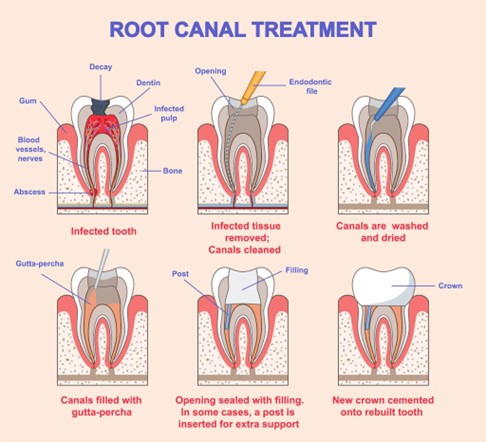
Dentists use X-rays and clinical exams to diagnose the cause and provide lasting relief.
Get a Filling for Cavities
If decay is caught early, the dentist removes the damaged portion and fills the tooth with composite or amalgam.
Time Required: 20–60 minutes. Pain usually stops immediately after treatment.
Undergo a Root Canal for Infected Pulp
When bacteria reach the tooth’s nerve, a root canal removes the infected tissue, cleans the canal, and seals it. Despite myths, this procedure relieves pain—it doesn’t cause it.
Follow-Up: A crown is usually needed to protect the weakened tooth.
Have a Tooth Extracted If Beyond Repair
Severely cracked, decayed, or loose teeth may require extraction. Replacement options include implants, bridges, or dentures.
Healing Time: Initial recovery takes 3–7 days.
Receive Antibiotics for Infection
Prescriptions like amoxicillin or clindamycin stop infection from spreading.
Key Fact: Antibiotics do not cure the tooth problem—they only buy time until dental treatment.
Prevent Future Tooth Pain
The best way to stop tooth pain? Prevent it before it starts.
Brush and Floss Daily
Use fluoride toothpaste and brush for 2 minutes, twice daily. Floss every night to remove plaque between teeth.
Visual Cue: Red, puffy gums signal early gum disease.
Limit Sugary and Acidic Foods
Soda, candy, and sticky snacks feed cavity-causing bacteria. Acidic foods like citrus erode enamel.
Smart Swap: Drink water after meals. Chew sugar-free gum with xylitol.
Visit Your Dentist Every 6 Months
Routine cleanings catch small cavities and gum issues before they hurt.
Pro Tip: If you grind your teeth, ask about a custom night guard.
Use a Soft-Bristled Toothbrush
Hard brushing wears down enamel and causes gum recession, exposing sensitive roots.
Replace Every 3–4 Months—frayed bristles don’t clean well.
Special Situations and FAQs
How to Stop Tooth Pain at Night?
Lying down increases blood flow to the head, making pain feel worse.
- Elevate your head with an extra pillow.
- Take ibuprofen before bed (follow label).
- Apply clove oil or a cold compress.
- Rinse with salt water or fluoride mouthwash.
Avoid: Eating sugary snacks before sleep.
Can You Get Rid of a Toothache in 5 Minutes?
Yes—for temporary relief:
1. Rinse with salt water.
2. Apply clove oil.
3. Use a cold compress.
Reality Check: These won’t fix the problem. See a dentist if pain returns.
Can a Toothache Go Away on Its Own?
Mild pain from food debris or minor irritation may fade in 1–2 days.
But true toothaches—from decay, crack, or infection—will not heal without treatment. They often worsen over time.
Myth Busted: “Wait and see” leads to bigger, costlier problems.
How to Tell What Kind of Toothache You Have?
- Dull, constant ache → Possible infection or bruxism.
- Sharp pain when biting → Cracked tooth or abscess.
- Sensitivity to hot/cold → Exposed dentin or decay.
- Pain in upper teeth → Could be sinus infection.
Final Word: Only a dentist can diagnose accurately.
Final Note: Tooth pain is not normal. While how to stop tooth pain at home offers quick comfort, it’s only a bridge to professional care. The longer you wait, the higher the risk of complications. Use these remedies wisely, recognize red flags, and prioritize a dental visit. Your smile—and your health—depend on it.