Every time you sip a soda, bite into an apple, or grind your teeth at night, your tooth enamel takes a hit. As the hardest substance in the human body—stronger than bone—enamel shields your teeth from decay, sensitivity, and damage. But despite its strength, it has one critical weakness: it cannot regenerate. Once lost, it’s gone for good. The good news? Early enamel damage can be reversed through a natural process called remineralization, where vital minerals like calcium and phosphate are restored to weakened areas. Unlike regrowth, this repair occurs within the existing enamel structure, making it stronger and more resistant to acid attacks. This guide reveals science-backed strategies to protect, strengthen, and preserve your enamel using daily habits, smart nutrition, and professional care. You’ll learn exactly how to harness your body’s natural defenses, avoid common pitfalls, and keep your teeth strong, white, and pain-free for life.
Optimize Daily Oral Hygiene
Use Fluoride Toothpaste Correctly
Fluoride is the gold standard for strengthening tooth enamel. It works by attracting calcium and phosphate ions back into the enamel, forming fluorapatite—a mineral compound more resistant to acid than natural hydroxyapatite. Brush twice daily with a fluoride toothpaste approved by dental associations. After brushing, spit out excess paste but don’t rinse with water. Leaving a thin film of fluoride on your teeth allows it to continue working for up to 30 minutes, significantly boosting remineralization. For even better results, consider toothpastes containing nano-hydroxyapatite, a bioactive ingredient that mimics natural enamel and helps repair micro-damage.
Choose the Right Toothbrush
A soft-bristled toothbrush is essential for long-term enamel protection. Hard or medium bristles increase the risk of abrasion, especially when combined with aggressive brushing. Replace your toothbrush or electric head every 3–4 months, or sooner if the bristles are frayed. Electric toothbrushes with pressure sensors and oscillating heads offer superior cleaning with less risk of damage compared to manual brushing. They also help maintain consistent technique, reducing the chance of wear near the gum line—where enamel is thinnest.
Master Proper Brushing Technique
Use gentle, circular motions at a 45-degree angle to the gumline. Avoid harsh horizontal scrubbing, which wears down enamel and contributes to gum recession. Focus on all tooth surfaces—outer, inner, and chewing—but spend extra time near the gum line, where erosion often begins. Brush for two full minutes, dividing your mouth into four quadrants and spending 30 seconds on each. This ensures thorough plaque removal without causing harm.
Floss and Rinse Strategically
Daily flossing removes plaque from between teeth—areas your toothbrush can’t reach. This reduces populations of acid-producing bacteria that weaken enamel. After flossing, use a fluoride mouthwash to reinforce protection. If you suffer from dry mouth, avoid alcohol-based rinses, which can worsen dehydration. Instead, opt for a hydrating, fluoride-rich formula that supports saliva and remineralization.
Wait Before Brushing After Eating
Brushing immediately after consuming acidic foods or drinks—like citrus juice, soda, or wine—can damage softened enamel. Acid temporarily softens the enamel surface, and brushing too soon accelerates wear. Wait at least 30 minutes to allow saliva to neutralize acids and re-harden the enamel. In the meantime, rinse your mouth with water or chew sugar-free gum to speed up pH recovery.
Eat Enamel-Friendly Foods
Boost Calcium and Phosphorus Intake
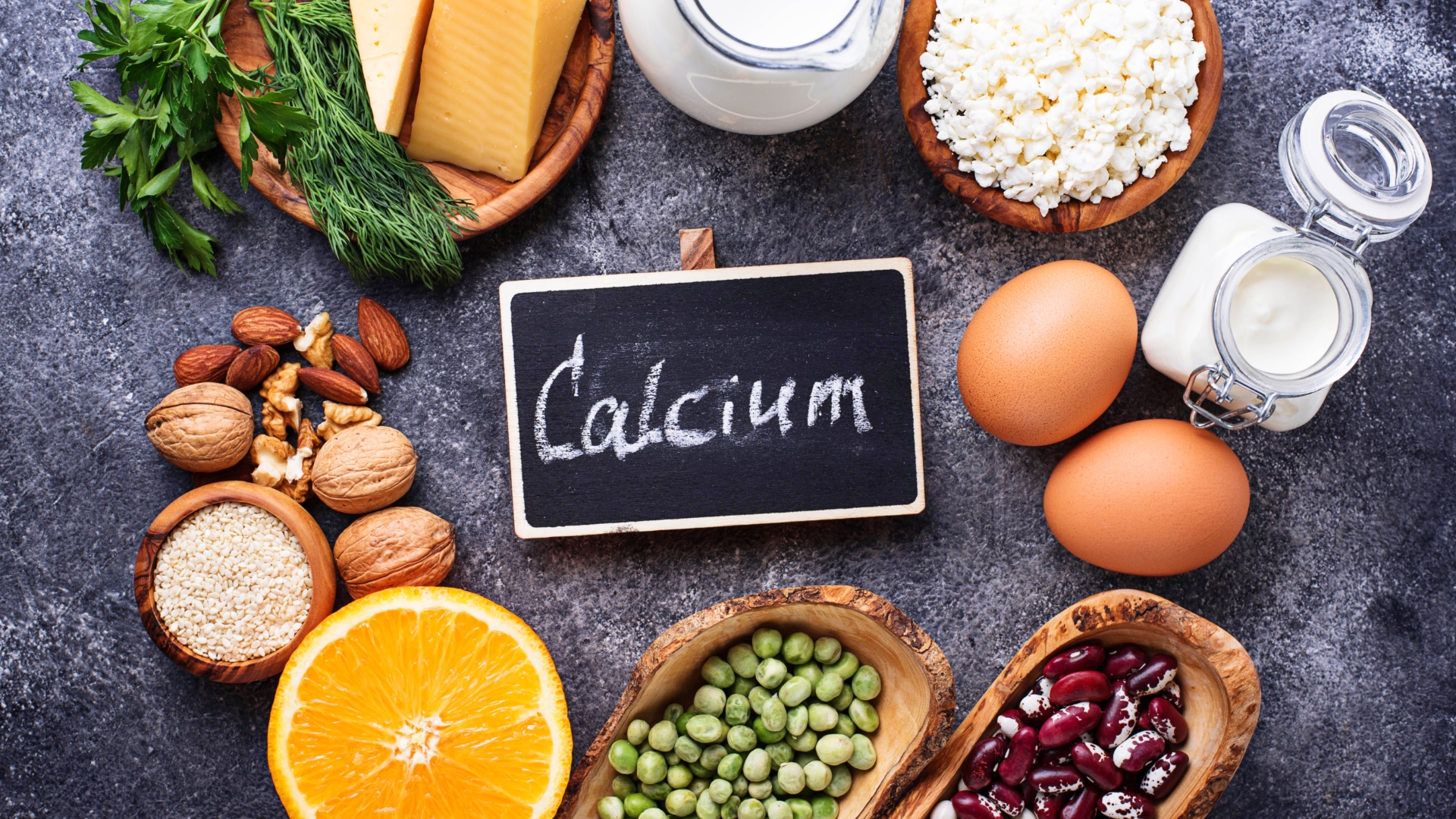
Calcium and phosphorus are the primary minerals in hydroxyapatite, the main component of tooth enamel. Include calcium-rich foods like cheese, yogurt, milk, sardines, almonds, and leafy greens. Pair them with phosphorus-rich foods such as eggs, poultry, fish, and nuts to support optimal remineralization. Fortified plant-based milks and tofu are excellent alternatives for those avoiding dairy.
Prioritize Vitamin D and A
Vitamin D enhances calcium absorption, making it essential for strong enamel. Get sunlight exposure or consume fatty fish, egg yolks, or fortified foods. Vitamin A supports mucous membranes and saliva production—both critical for protecting against erosion. Sweet potatoes, carrots, red peppers, and kale are rich in beta-carotene, which the body converts into vitamin A.
Snack on Protective Foods
Cheese is one of the most enamel-protective foods. It raises oral pH, neutralizes acids, and delivers calcium and phosphate directly to teeth. Crunchy vegetables like carrots and celery stimulate gums and increase saliva flow, acting as natural cleansers. Apples have a similar effect but are slightly acidic—rinse your mouth afterward. Almonds are an excellent low-sugar snack rich in calcium and healthy fats.
Hydrate with Fluoridated Water
Drinking water throughout the day washes away food particles, dilutes acids, and supports saliva production. Fluoridated tap water provides continuous low-level fluoride exposure, strengthening enamel over time. Avoid prolonged sipping of acidic drinks like soda, citrus juice, or sports drinks, which keep your mouth in a constant state of acid attack.
Neutralize Acid Attacks
Limit Sugary and Acidic Foods
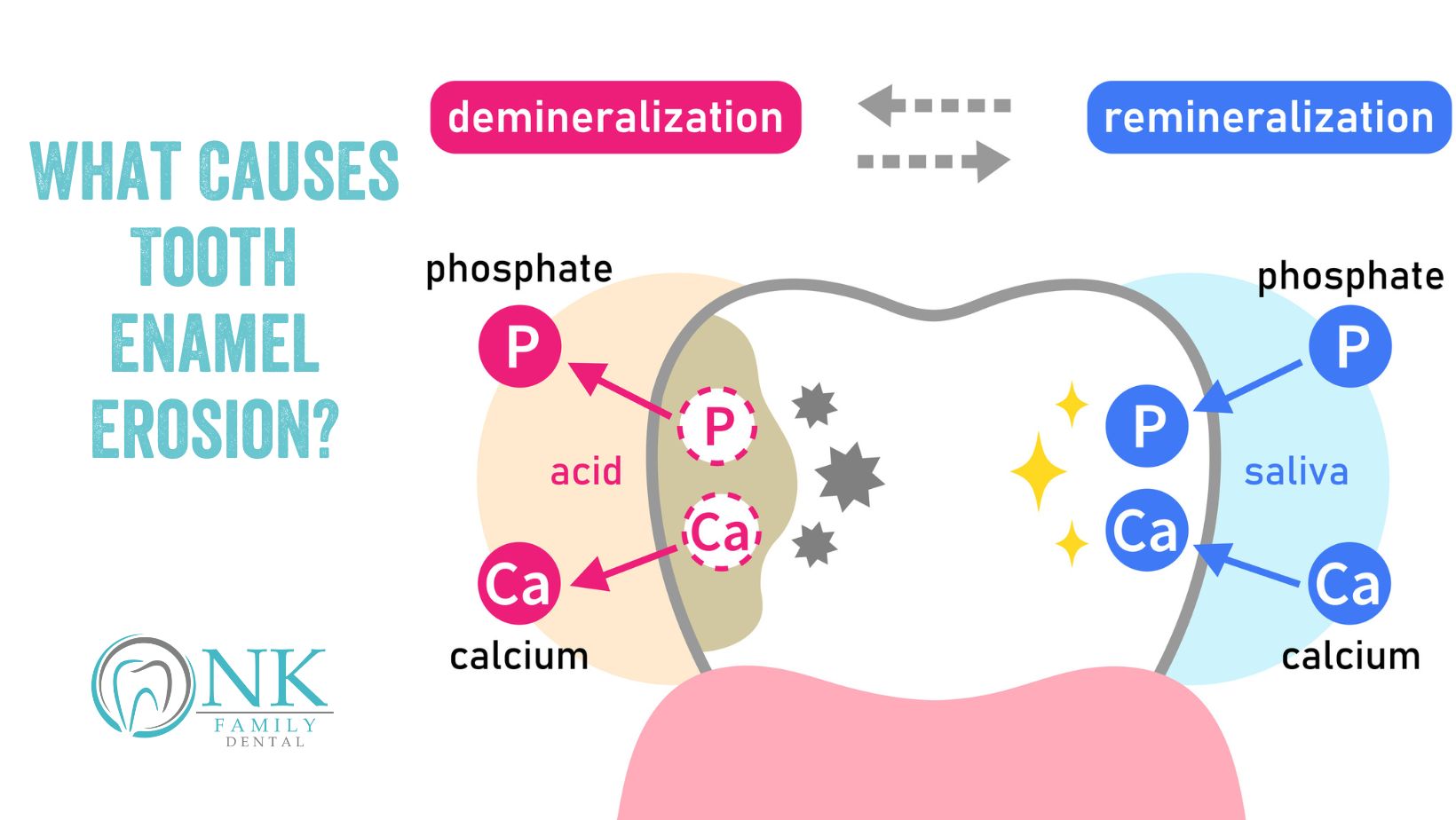
Sugar feeds oral bacteria that produce lactic acid, triggering demineralization. Reduce intake of candies, pastries, and sticky dried fruits. Acidic foods—citrus, tomatoes, vinegar, wine, and carbonated beverages—directly dissolve enamel, especially with frequent consumption. When you do consume them, do so during meals rather than snacking throughout the day to minimize exposure.
Use a Straw Wisely
When drinking acidic beverages like soda or citrus juice, use a reusable straw positioned toward the back of your mouth. This reduces contact with front teeth, where erosion is most visible. Don’t swish or hold acidic drinks in your mouth—swallow quickly to limit acid exposure.
Neutralize Mouth pH After Meals
After eating, especially acidic foods, rinse your mouth with plain water. Chewing sugar-free gum containing xylitol for 10–20 minutes stimulates saliva flow and accelerates acid neutralization. Xylitol also inhibits Streptococcus mutans, the primary bacteria responsible for cavities.
Support Natural Saliva Production
Stay Consistently Hydrated
Saliva is your mouth’s first defense. It contains calcium, phosphate, and buffering agents that naturally repair early enamel damage. Drink at least 6–8 glasses of water daily to maintain optimal flow. Dehydration from caffeine, alcohol, or medications reduces saliva, increasing erosion risk.
Chew Xylitol Gum Regularly
Chewing sugar-free gum after meals boosts saliva production by up to 10 times. Look for products with xylitol as the first ingredient—this natural sweetener prevents bacterial growth and enhances remineralization. Aim for 3–5 minutes of chewing after each meal or snack.
Treat Dry Mouth Proactively
Chronic dry mouth (xerostomia) increases enamel erosion and decay risk. If you experience persistent dryness, consult your dentist. They may recommend saliva substitutes, prescription fluoride, or adjustments to medications. Breathe through your nose, especially at night, to reduce oral dryness.
Prevent Mechanical Enamel Wear
Stop Teeth Grinding
Bruxism—teeth grinding or clenching—can wear down enamel rapidly, especially during sleep. Signs include flattened tooth edges, jaw pain, and morning headaches. A custom-fitted night guard from your dentist protects teeth from grinding forces. Stress management techniques like meditation, yoga, or counseling may also reduce clenching.
Avoid Harmful Oral Habits
Never chew ice, hard candies, or non-food items like pens or fingernails. These cause microfractures and chipping. Avoid using your teeth as tools to open packages or bottles—this leads to cracks and enamel loss.
Use Non-Abrasive Products
Some whitening toothpastes contain harsh abrasives like silica or baking soda that wear down enamel over time. Check the RDA (Relative Dentin Abrasivity) value—choose toothpastes below 70 for safe daily use. Hydroxyapatite-based toothpastes are gentler and actively repair enamel.
Use Professional Treatments

Get Professional Fluoride Applications
Dentists apply concentrated fluoride varnish or gel during cleanings, especially for patients with early erosion, dry mouth, or high cavity risk. These treatments deliver a powerful dose of fluoride that penetrates deeper than over-the-counter products. Ask for fluoride treatments at every check-up if you’re prone to sensitivity or decay.
Consider Dental Sealants
Sealants are thin, protective coatings applied to the chewing surfaces of molars. They seal deep grooves where food and bacteria accumulate, preventing acid attacks. While often used in children, adults with deep pits or a history of cavities can benefit too. Sealants last for years and are easily reapplied.
Try Prescription-Strength Remineralizers
For weakened enamel or white spot lesions, your dentist may prescribe high-fluoride toothpaste (5,000 ppm) or products containing CPP-ACP (Recaldent), such as MI Paste. These deliver bioavailable calcium and phosphate directly to teeth, accelerating remineralization. Use as directed—typically once daily after brushing.
Restore Severely Damaged Teeth
Once enamel is gone, it can’t regrow. In advanced cases, restorative options include:
– Dental crowns to cover and protect weakened teeth
– Veneers for front teeth with cosmetic and structural damage
– Bonding with tooth-colored resin to repair minor chips or erosion
These don’t regrow enamel but preserve tooth function and appearance.
Debunk Common Myths
Myth: You Can Regrow Enamel Naturally
Reality: Enamel has no living cells and cannot regenerate. However, remineralization can repair early-stage damage before cavities form. This isn’t regrowth—it’s mineral restoration within existing enamel structure.
Myth: Whitening Damages Enamel
Reality: When used as directed, professional and OTC whitening agents (hydrogen peroxide, carbamide peroxide) do not erode enamel. Some cause temporary sensitivity due to dehydration, but the effect is reversible. Overuse or poor-quality products can increase risk—stick to dentist-recommended options.
Myth: Harder Brushing Cleans Better
Reality: Aggressive brushing causes abrasion, leading to enamel loss and gum recession. Plaque is soft—it doesn’t require force to remove. Gentle, consistent technique with a soft brush is far more effective and safer long-term.
Watch for Early Warning Signs
Recognize Enamel Erosion Symptoms
Early detection allows intervention before irreversible damage occurs. Watch for:
– Tooth sensitivity to hot, cold, or sweet stimuli
– Yellowing as dentin becomes visible
– Rounded or flattened biting edges
– Transparency on front tooth tips
– Roughness or dents along the gum line
If you notice any of these, see your dentist promptly for assessment and treatment.
Schedule Biannual Dental Visits
Visit your dentist every six months for:
– Professional cleaning to remove tartar and plaque
– Enamel evaluation using visual and tactile exams
– Early detection of white spots, cracks, or decay
– Personalized advice based on your risk factors
Your dentist can identify erosion before it’s obvious and recommend targeted prevention strategies.
Build a Complete Enamel Protection Plan
Combine smart nutrition, gentle hygiene, and professional care to give your enamel the best possible defense. Start today—your future smile depends on it.