A throbbing toothache can turn even the simplest tasks—like eating, speaking, or sleeping—into unbearable challenges. Whether it starts as a fleeting twinge or a relentless ache, tooth pain is never normal. It’s your body’s way of signaling something’s wrong, and ignoring it could lead to serious complications like infection, abscess, or even tooth loss.
The good news? You don’t have to wait for a dental appointment to find relief. While only a dentist can fix the root cause, there are safe, effective ways to calm a sore tooth fast using home remedies, over-the-counter (OTC) medications, and simple first-aid strategies. This guide walks you through exactly what to do—from immediate pain relief to knowing when it’s time to get professional help—so you can stop suffering and start healing.
You’ll also learn which natural remedies actually work (and which ones to avoid), how to steer clear of common mistakes like placing aspirin on your gums, and when tooth pain could be a sign of something more serious. Let’s get you the relief you need—and help you protect your smile for the long term.
Immediate Pain Relief at Home
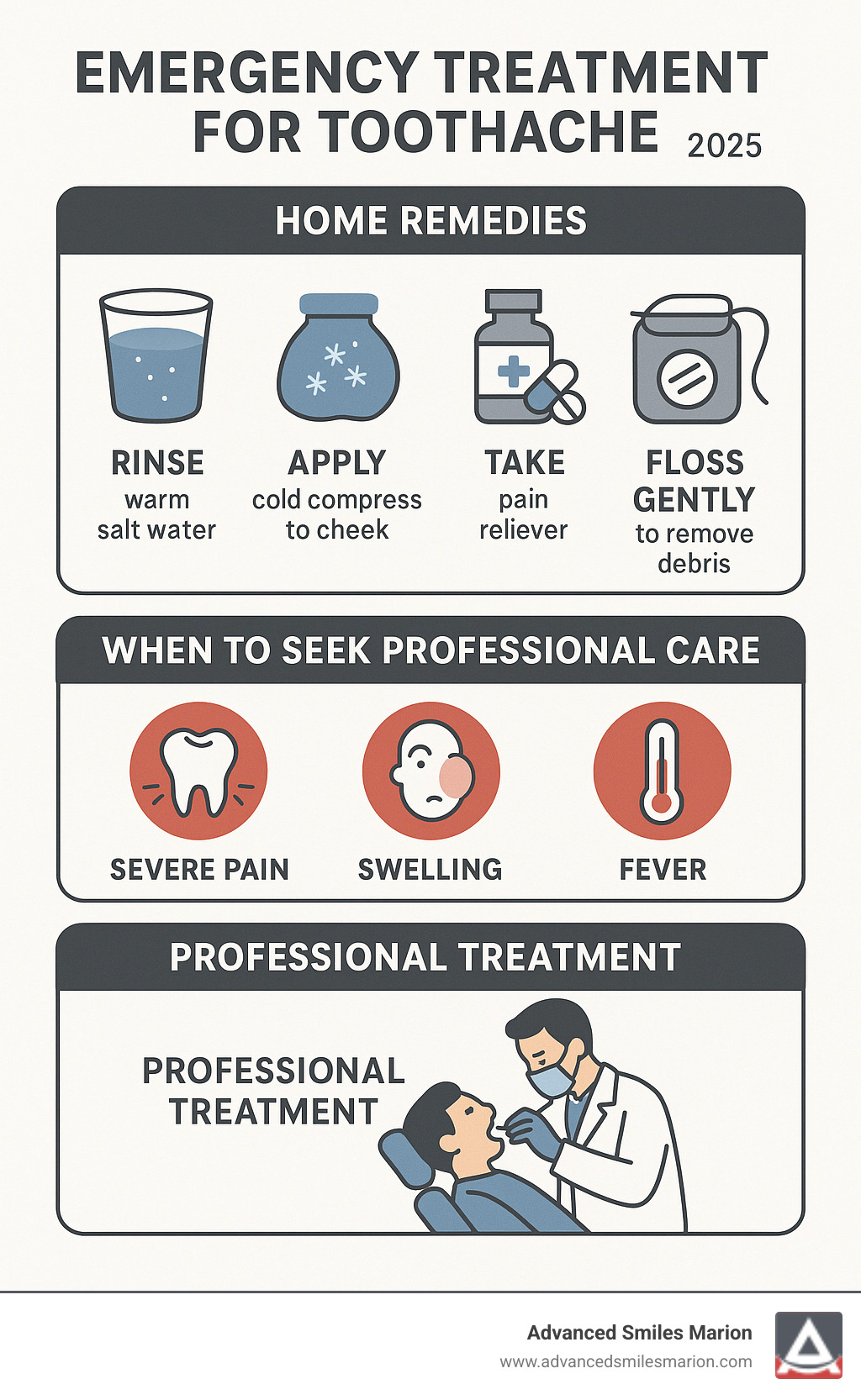
When a tooth starts aching, your first goal is to reduce pain and inflammation quickly. These proven methods use common household items to numb discomfort, fight bacteria, and soothe irritated tissues—giving you temporary relief until you can see a dentist.
Use a Cold Compress to Reduce Swelling
A cold pack applied to your cheek is one of the fastest ways to numb nerve endings and reduce inflammation. It’s especially helpful if your face is swollen or tender near the painful tooth.
- Wrap ice or a frozen gel pack in a clean cloth.
- Hold against your jaw for 15–20 minutes.
- Repeat every hour as needed.
- Never apply ice directly to the skin—this can cause frostbite.
Pro Tip: A bag of frozen peas conforms perfectly to your jawline and works just as well as an ice pack.
This method works by constricting blood vessels, which reduces swelling and pressure on the nerves—often providing noticeable relief within minutes.
Rinse with Warm Salt Water
Saltwater is a natural disinfectant that cleans away food debris, reduces gum inflammation, and helps draw out fluid from swollen tissues. It’s one of the safest and most effective first steps for any type of tooth pain.
- Mix ½ to 1 teaspoon of salt in 8 ounces of warm water.
- Swish gently for 30 seconds, then spit.
- Repeat 2–3 times daily, or every few hours if pain is severe.
This rinse is safe for adults and children, though supervise young kids to prevent swallowing. It’s ideal for pain caused by gum irritation, minor infections, or after dental procedures.
Try a Hydrogen Peroxide Rinse for Infection Control
If your toothache is linked to gum bleeding, plaque buildup, or infection, a diluted hydrogen peroxide rinse can help kill bacteria and reduce inflammation.
- Mix equal parts 3% hydrogen peroxide and water.
- Swish for 30 seconds, then spit.
- Rinse thoroughly with plain water afterward.
- Use no more than 2–3 times per day.
Caution: Do not swallow. Avoid if you have open sores or sensitive gums.
While effective, this rinse should be used sparingly—overuse can irritate soft tissues in your mouth.
Apply Clove Oil for Natural Numbing
Clove oil contains eugenol, a natural compound with anesthetic and antiseptic properties. Studies show it works similarly to benzocaine, the numbing agent in many OTC dental gels.
- Soak a cotton ball in 1–2 drops of clove oil.
- Press gently against the painful tooth and gum.
- Reapply every few hours as needed.
For sensitive skin, dilute clove oil with coconut or olive oil (15 drops per ounce). While powerful, avoid overuse—excessive application can irritate gums or trigger allergic reactions in some people.
Try Vanilla Extract for Gentle Pain Relief
Pure vanilla extract (not imitation) contains alcohol and trace amounts of eugenol, offering mild numbing and antibacterial effects.
- Dab a small amount on a cotton ball.
- Hold it against the sore area for 2–3 minutes.
- Repeat up to 4 times a day.
It’s a safe, accessible option—especially for children or during pregnancy—though it won’t replace stronger painkillers for severe pain.
Use a Peppermint Tea Bag for Cooling Relief
Peppermint contains menthol, which creates a cooling sensation that distracts from pain signals. The tannins in black tea may also help tighten swollen gum tissue.
- Steep a tea bag in boiling water for 2 minutes.
- Let it cool to room temperature or chill in the freezer.
- Place directly on the affected tooth for 20 minutes.
You can also use cooled tea as a rinse. This method is gentle and effective for mild to moderate discomfort.
Over-the-Counter Pain Relief Options

When home remedies aren’t enough, OTC medications can target both pain and inflammation—making them essential for managing dental discomfort.
Ibuprofen for Inflammation and Pressure Relief
Ibuprofen (Advil, Motrin) is often the best choice because it reduces inflammation, a major cause of pressure and nerve pain in toothaches.
- Dose: 200–400 mg every 4–6 hours.
- Max daily dose: 1,200 mg without medical approval.
Why it works: Swelling inside the tooth or gum increases pressure on nerves. Ibuprofen fights this at the source.
It’s most effective when taken with food to avoid stomach upset.
Acetaminophen for Sensitive Stomachs
If you can’t take NSAIDs, acetaminophen (Tylenol) relieves pain but doesn’t reduce swelling.
- Dose: 500–1,000 mg every 4–6 hours.
- Max daily dose: 3,000–4,000 mg (varies by health status).
Safe for children, pregnant women, and those with stomach issues—but exceeding the dose risks liver damage.
Naproxen for Long-Lasting Relief
Naproxen (Aleve) lasts up to 12 hours, making it ideal for nighttime pain.
- Dose: 220 mg every 8–12 hours.
- Take with food to prevent stomach irritation.
Never Place Aspirin on Your Gums
Despite old myths, placing aspirin directly on your tooth or gums does not help—it causes chemical burns and tissue damage. Swallow aspirin only if recommended, and never give it to children under 16 due to the risk of Reye’s syndrome.
Natural Remedies That Actually Work
Some kitchen staples and essential oils offer real relief—but use them wisely. They’re not cures, but they can buy time until you see a dentist.
Crushed Garlic for Antibacterial Action
Garlic releases allicin, a compound with natural antimicrobial and pain-relieving effects.
- Crush a fresh clove into a paste.
- Add a pinch of salt and apply to the tooth.
- Hold for a few minutes, then rinse.
You can also chew a small piece slowly. The strong taste is worth it if it eases your pain.
Thyme Oil to Fight Infection
Thyme essential oil has strong antiseptic properties.
- Mix 1–2 drops with a carrier oil.
- Apply with a cotton swab or use as a gargle.
Only use food-grade or oral-safe oils—and never swallow undiluted.
Fresh Ginger and Turmeric for Inflammation
Ginger and turmeric both contain anti-inflammatory compounds.
- Chew a small slice of ginger or apply turmeric paste (mix powder with water).
- Let sit for 2–3 minutes, then rinse.
Turmeric may temporarily stain teeth yellow—brush afterward to remove residue.
Oil Pulling with Coconut Oil
Swishing oil in your mouth—called oil pulling—may reduce plaque and gum inflammation.
- Swish 1–2 teaspoons for 10–15 minutes.
- Spit into trash (not sink—oil can clog pipes).
- Rinse and brush afterward.
While evidence for pain relief is limited, many report fresher breath and less gum redness.
When to See a Dentist Immediately
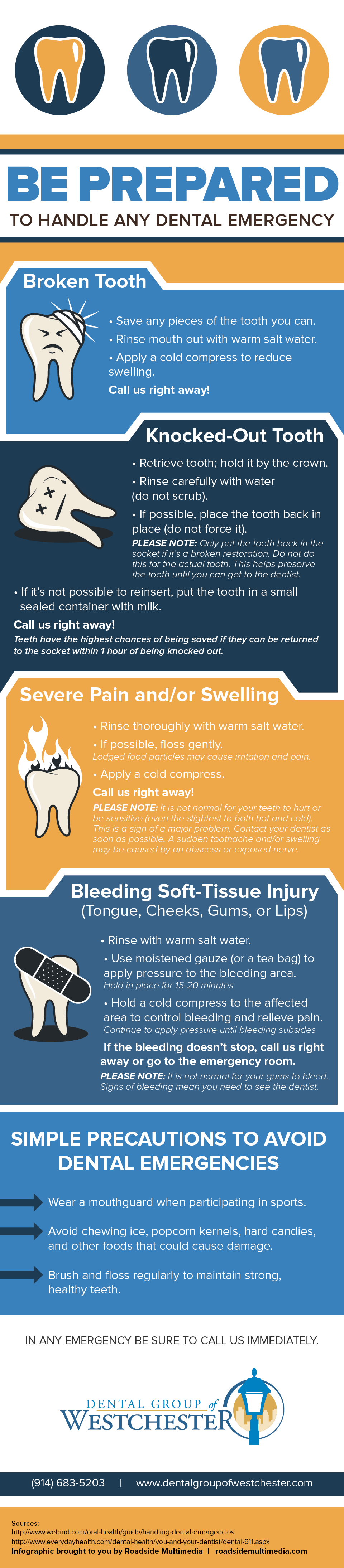
Home care helps manage symptoms—but only a dentist can treat the cause. Ignoring tooth pain can lead to abscesses, bone loss, or life-threatening infections.
Seek Emergency Care If You Have:
- Facial swelling, especially under the eye or jaw
- Fever or chills
- Difficulty breathing, swallowing, or opening your mouth
- Pus around the tooth
- Unbearable, constant pain
Warning: A spreading dental infection can block your airway. If swelling affects breathing, go to the ER immediately.
Schedule a Dental Visit If Pain Lasts Over 2 Days
Even mild pain could signal:
– A hidden cavity
– A cracked tooth
– Gum disease
– A failing filling or crown
Early treatment often means less invasive, less expensive care.
Prevent Future Toothaches
The best way to avoid tooth pain? Stop it before it starts.
- Brush twice daily with fluoride toothpaste
- Floss daily—plaque between teeth causes 40% of cavities
- Use antiseptic mouthwash
- Limit sugary and acidic foods
- Visit your dentist every 6 months
- Wear a mouthguard if you grind your teeth
Final Takeaway: Relief Is Temporary—Treatment Is Essential
A sore tooth is your body’s alarm system. While saltwater rinses, cold compresses, clove oil, and OTC painkillers can help you feel better fast, they don’t fix the problem.
Only a dentist can diagnose and treat the cause—whether it’s a cavity, abscess, or cracked tooth. If your pain lasts more than two days, worsens, or comes with swelling or fever, see a dentist immediately.
And if you’re struggling to breathe or have facial swelling, go to the ER now.
Remember: Early action saves teeth, time, and money. Don’t wait for the pain to get worse. Your smile—and your health—depend on it.