If you’re struggling with a relentless toothache, swelling in your jaw, or a foul taste in your mouth, you may be dealing with a tooth infection. This condition occurs when bacteria invade the inner pulp of a tooth or surrounding gum tissue—often due to untreated decay, trauma, or gum disease. Left unchecked, the infection can progress into a dental abscess, leading to severe pain, bone loss, and even life-threatening complications like sepsis or airway blockage. The most critical thing to understand is this: a tooth infection will not heal on its own. While antibiotics and home remedies can ease symptoms temporarily, they are not cures. Only professional dental treatment can eliminate the infection and prevent it from spreading.
In this comprehensive guide, you’ll learn how to identify the type of infection you have, recognize when it’s becoming dangerous, and understand the treatments that actually work—root canals, extractions, drainage procedures, and more. You’ll also discover safe ways to manage pain at home while waiting for care, when to head straight to the ER, and how to prevent future infections through smart daily habits.
Identify the Type of Tooth Infection
Not all tooth infections are the same. Knowing which type you’re dealing with helps determine the right treatment path and whether the tooth can be saved.
Periapical Abscess: Infection at the Root Tip
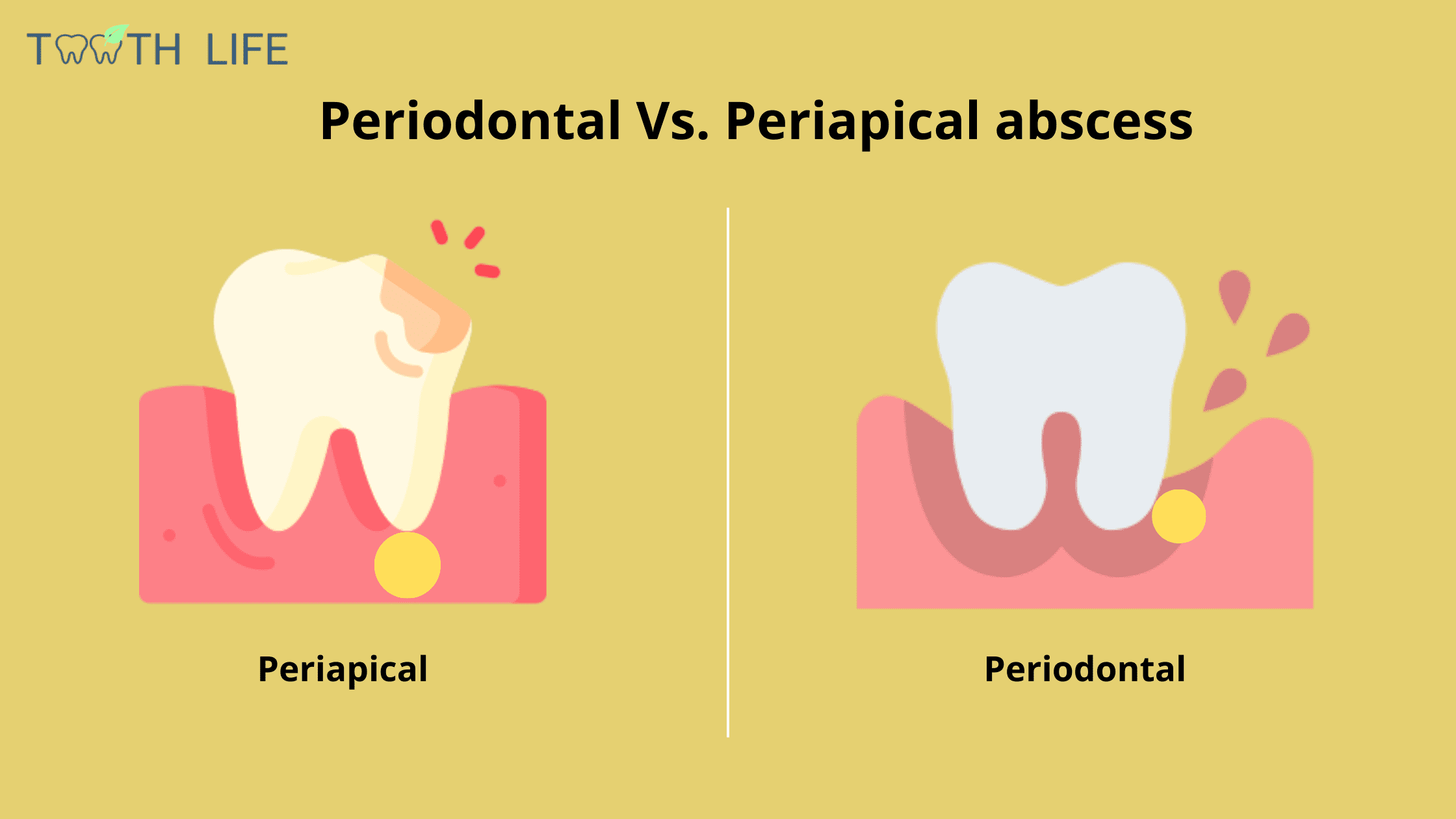
This is the most common type of dental abscess. It starts when bacteria enter through a cavity, crack, or chip and reach the tooth’s pulp—the soft inner core containing nerves and blood vessels. As the pulp becomes infected and dies, pus accumulates at the root tip, causing intense pressure and pain.
What to look for:
– Throbbing, persistent pain that worsens when lying down
– Sharp pain when biting or chewing
– Sensitivity to hot and cold that lingers
– A small pimple-like bump (called a parulis) on the gum near the tooth, which may ooze pus
On an X-ray, a dark spot at the root tip shows bone destruction from the infection.
Periodontal Abscess: Gum and Bone Infection
Unlike a periapical abscess, this infection begins in the gums and supporting bone, not the tooth pulp. It often develops in deep periodontal pockets caused by advanced gum disease. People with poor oral hygiene or existing periodontitis are most at risk.
Key signs include:
– Swollen, red, and tender gums
– Pus draining from the side of the tooth
– Bleeding during brushing or flossing
– A loose tooth due to bone damage
This type may not cause severe tooth pain initially, but it can rapidly destroy gum and bone tissue if ignored.
Gingival Abscess: Surface Gum Infection
This is a more localized infection affecting only the gum tissue, usually triggered by a foreign object—like a popcorn kernel or fish bone—piercing the gum. It doesn’t involve the tooth root or underlying bone.
Symptoms:
– Sudden, sharp pain at one spot
– Swelling confined to a small gum area
– No tooth sensitivity or mobility
Though less severe, it still requires treatment to stop it from spreading deeper.
Recognize the Warning Signs

Early recognition can mean the difference between saving a tooth and losing it—or worse.
Common Symptoms of a Tooth Infection
- Severe, throbbing toothache that radiates to your jaw, ear, or neck
- Pain when chewing or applying pressure
- Sensitivity to heat and cold that doesn’t go away quickly
- Swelling in your face, cheek, or jaw
- Fever or chills, indicating the infection is spreading
- Swollen lymph nodes under your jaw or neck
- Bad breath or a bitter, metallic taste from pus drainage
Red Flags That Demand Immediate Attention
Even if the pain suddenly stops, don’t assume you’re healed. That could mean the nerve has died—but the bacteria are still multiplying. Watch for these danger signs:
- Visible pus or a pimple on your gum
- A loose tooth
- Difficulty opening your mouth or swallowing
- Swelling spreading toward your eye or neck
These could signal that the infection is advancing into deeper tissues and may require emergency care.
Get a Professional Diagnosis
Only a dentist can confirm a tooth infection and determine its severity. Self-diagnosis is risky—what feels like a cavity could actually be a deep abscess.
What Happens During a Dental Exam
Your dentist will perform several tests:
– Visual inspection: Looking for redness, swelling, or discharge
– Percussion test: Gently tapping the tooth—if it hurts, infection is likely
– Palpation: Pressing on the gum to check for tenderness or pus
– Periodontal probing: Measuring gum pocket depth to assess damage
Imaging: X-rays and CT Scans
- Dental X-ray: Reveals bone loss, root damage, or hidden decay
- CT scan: Used if the infection may have spread to the jaw, sinuses, or neck
These images help your dentist decide whether the tooth can be saved or must be removed.
Drain the Abscess to Relieve Pressure
Drainage is often the first step in treating a visible abscess. It provides fast relief and prevents the infection from spreading.
Incision and Drainage (I&D)
The dentist numbs the area and makes a small cut into the swollen gum to let the pus drain. The area is then flushed with saline, and sometimes a small drain is placed temporarily.
Most patients feel significantly better within hours. Pain and swelling drop quickly after the pressure is released.
Never Try to Drain It Yourself
Popping an abscess at home with a needle or sharp object can push bacteria deeper or spread the infection. Always seek professional care.
Save the Tooth with Root Canal Therapy
If the tooth is salvageable, a root canal can remove the infection and preserve your natural tooth.
How a Root Canal Works
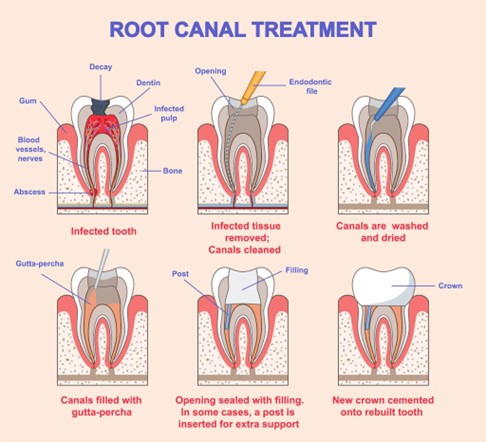
- Access the pulp chamber by drilling into the crown
- Remove infected pulp and clean out the root canals
- Disinfect and shape the canals with special files
- Seal them with gutta-percha, a rubber-like material
- Restore the tooth with a filling or crown
Recovery and Success Rate
Root canals have a high success rate when done early. Pain usually disappears once the infected nerve is removed. You may need multiple visits for complex cases, but the tooth can last decades with proper care.
Extract the Tooth If It Can’t Be Saved
When decay is too extensive or the tooth is fractured beyond repair, extraction is necessary.
When Extraction Is Needed
- Severe tooth fracture
- Advanced bone loss
- Failed root canal
- Tooth mobility due to infection
After removal, antibiotics may be prescribed to prevent post-surgery infection.
Replacing the Missing Tooth
Once healed (4–8 weeks), consider:
– Dental implant: Most durable and natural-looking
– Bridge: Anchored to adjacent teeth
– Denture: Removable option for multiple missing teeth
Replacing the tooth prevents shifting and bite issues.
Use Antibiotics Wisely

Antibiotics don’t cure a tooth abscess—they only control bacterial spread. They are not a substitute for drainage or dental procedures.
When Antibiotics Are Prescribed
- Infection spreading (facial swelling, fever)
- Weakened immune system
- High risk of complications (e.g., heart conditions)
- Delayed access to dental care
Common Antibiotics
| Antibiotic | Dose | Use Case |
|---|---|---|
| Amoxicillin | 500 mg 3x/day for 5 days | First-line treatment |
| Clindamycin | 150–300 mg 4x/day for 5 days | Penicillin allergy |
| Metronidazole | 400 mg 3x/day for 5 days | Often combined with amoxicillin |
| Co-amoxiclav | 375–1000 mg 3x/day for 5 days | Severe or resistant infections |
Always complete the full course—even if you feel better in 2–3 days.
Manage Pain While Waiting for Care
Over-the-counter medications can help until you see a dentist.
Best OTC Pain Relievers
- Ibuprofen (Advil, Motrin): 200–400 mg every 6 hours—best for pain and inflammation
- Acetaminophen (Tylenol): 500–1000 mg every 6 hours—good for pain, no anti-inflammatory effect
- Naproxen (Aleve): 220 mg every 12 hours—longer-lasting relief
Avoid placing aspirin directly on the gum—it can burn tissue.
Try Safe Home Remedies for Symptom Relief
Home remedies won’t cure the infection but can support healing.
Effective Options
- Saltwater rinse: Reduces bacteria and soothes gums
- Cold compress: Reduces swelling and numbs pain
- Clove oil: Natural anesthetic (dilute before use)
- Hydrogen peroxide rinse: Antimicrobial (do not swallow)
- Oil pulling: May reduce bacteria (use coconut oil)
These are supportive only—never a replacement for dental care.
Know When to Go to the ER
Some symptoms mean the infection is spreading and could be life-threatening.
Seek Emergency Care If You Have:
- Difficulty breathing, swallowing, or speaking
- Swelling spreading to your eye or neck
- High fever (over 102°F / 38.5°C)
- Confusion, dizziness, or rapid heart rate
These could indicate Ludwig’s angina, sepsis, or a brain infection—all requiring IV antibiotics and possible surgery.
Prevent Future Infections
Once treated, protect your oral health.
Daily Habits
- Brush twice daily with fluoride toothpaste
- Floss every day
- Use mouthwash or water flosser
- Quit smoking and cut back on sugar
Regular Dental Visits
- See your dentist every 6 months
- Treat cavities and cracks early
- Replace worn fillings or crowns
Final Thoughts: Act Fast, Save Your Health
A tooth infection won’t go away without treatment. While home remedies and painkillers offer temporary relief, only a dentist can cure it. Delaying care risks tooth loss, bone damage, and even life-threatening complications. If you suspect an infection, call your dentist immediately—your health depends on it.