Tooth decay at the gum line is a silent but serious threat to oral health, especially among adults over 40. Unlike cavities on the chewing surface, this type of decay forms where the tooth meets the gums—often in hard-to-see areas that are difficult to clean. As gums recede with age or due to disease, the softer root surface (cementum) becomes exposed. This layer is up to four times less resistant to acid and bacteria than enamel, making it a prime target for rapid decay. If you’ve noticed increased sensitivity to cold drinks, dark spots near your gums, or floss that consistently tears in the same spot, you may already be dealing with early gumline decay.
The good news? Early detection and modern treatments can stop or even reverse damage before it becomes severe. Whether your dentist has flagged a suspicious area or you’re proactively protecting your smile, understanding how to treat tooth decay at the gum line is essential. From fluoride therapies that rebuild weakened enamel to fillings, gum surgery, and restorations like crowns, today’s dental care offers effective solutions at every stage. This guide breaks down the full process—from recognizing warning signs to restoring damaged teeth—so you can act quickly, preserve your natural teeth, and prevent future problems.
Spot the Early Warning Signs Before Damage Spreads
Catching gumline decay early can mean the difference between a simple fix and a root canal. The problem often starts without pain, but subtle changes signal trouble.
Watch for Sensitivity and Discoloration
Sensitivity to cold, heat, or sweets is usually the first clue. If your tooth flinches when drinking ice water or sipping coffee, especially near the gumline, the exposed root may be under attack. The cementum covering the root wears down faster than enamel, leaving dentin tubules open and vulnerable. You might also see brown, black, or chalky white spots along the base of your teeth. While some discoloration is just staining, a rough or pitted texture often means active decay.
Pro Tip: Dry the tooth with a tissue. Early decay appears chalky white when dehydrated, while stains remain smooth and dark.
Check Texture Changes and Floss Behavior
Run your tongue along the gumline. Healthy enamel feels slick and hard. A soft, sticky, or indented area suggests demineralization or a forming cavity. Pay attention when flossing: if it consistently shreds or snags between the same teeth, decay may be creating a hidden ledge. Combine this with red, swollen, or bleeding gums, and you could be facing both decay and gum disease—a dangerous combo that accelerates tooth damage.
Understand What Causes Decay at the Gum Line
Knowing the root causes helps you target prevention where it matters most.
Gum Recession Exposes Vulnerable Root Surfaces
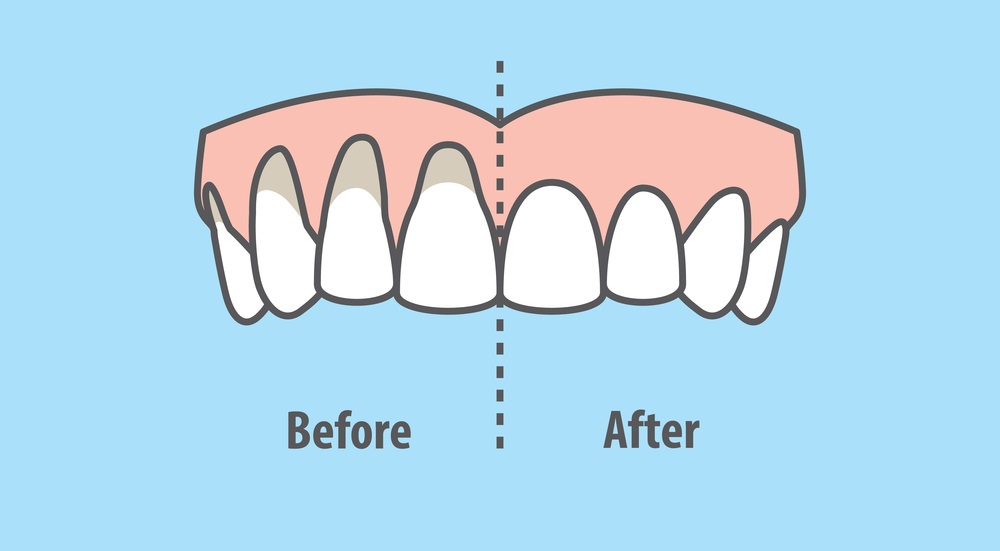
When gums pull back, they reveal the root, which lacks protective enamel. This cementum layer is significantly softer, making it a magnet for plaque and acid. Common causes of recession include aggressive brushing with a hard-bristled brush, periodontal disease, teeth grinding (bruxism), and natural aging. Once exposed, the root becomes a breeding ground for bacteria—especially if brushing technique is poor or missed during cleaning.
Dry Mouth and Acidic Diets Accelerate Decay
Saliva neutralizes acids and helps repair early damage. When flow drops—due to medications, diabetes, or conditions like Sjögren’s syndrome—your mouth loses this natural defense. Add frequent sipping of soda, wine, or sports drinks, and acid levels stay high, dissolving tooth structure. Snacking throughout the day prevents natural recovery, creating a constant attack cycle.
Warning: Diet sodas and sugar-free candies aren’t safe—they’re often highly acidic, eroding teeth even without sugar.
Get an Accurate Diagnosis from Your Dentist

Only a professional can confirm whether a dark line is a stain or a cavity. Self-diagnosis risks missing serious decay.
Clinical Exam Detects Soft Spots and Texture
Your dentist uses a fine explorer tool to probe the gumline. If it sticks or the surface feels soft, it’s likely decay. Hard, smooth areas are usually stains. They’ll also check for gum recession, bleeding, and pocket depth—signs of underlying periodontal disease that increase decay risk.
X-Rays Reveal Hidden Damage Below the Gum
Bitewing X-rays show decay between teeth and beneath the gumline, even before it’s visible. Periapical films assess root health and bone loss. Digital imaging enhances early detection, revealing subtle dark spots that indicate demineralization. These tools help determine if the decay is shallow or nearing the pulp, guiding treatment decisions.
Expert Note: Some early lesions appear translucent or white on X-rays—dentists look for changes in density, not just obvious holes.
Reverse Early Decay with Remineralization
If caught before a cavity forms, you can stop or reverse damage with targeted therapies.
Use High-Fluoride Toothpaste Daily
Prescription-strength fluoride (5000 ppm) boosts remineralization far more effectively than over-the-counter options. Brush with it nightly—don’t rinse afterward—to let the fluoride work longer. Your dentist may also apply fluoride varnish every 3–6 months, which adheres to teeth and releases fluoride slowly.
Best for: Patients with dry mouth, high decay risk, or multiple gumline lesions.
Try Hydroxyapatite for Fluoride-Free Repair
Nano-hydroxyapatite (n-HA) mimics natural tooth mineral. Found in toothpastes like Curodont™ Repair, it fills microscopic pores in early decay, restoring strength without fluoride. Ideal for sensitive patients or those avoiding fluoride, it’s especially effective on root surfaces.
Remineralization Success Tips:
– Limit acidic foods to mealtimes
– Rinse with water after eating
– Chew xylitol gum to stimulate saliva
– Avoid brushing for 30 minutes after acidic exposure
Stop Cavities with Dental Fillings
Once a physical hole forms, a filling is necessary to remove decay and restore the tooth.
Choose the Right Filling Material
Composite resin is the go-to for gumline cavities. Tooth-colored and bonded directly to the tooth, it seals the area and blends seamlessly. It works best above the gumline where the field can stay dry during placement.
For decay below the gum, glass ionomer cement (GIC) is superior. It bonds well to cementum and dentin, releases fluoride over time, and tolerates moisture—making it ideal for root surfaces. Though less durable than composite, it’s perfect for high-risk patients.
Avoid amalgam: While strong, its dark color and lack of bonding make it outdated for gumline use.
Expect Local Anesthesia and Decay Removal
The dentist numbs the area, then removes decay using a drill, hand instrument, or dental laser. After cleaning the site, they apply bonding agent and layer in the filling, curing it with light. The whole process takes 30–60 minutes.
Post-Treatment Tip: Sensitivity for a few days is normal. Use desensitizing toothpaste if needed.
Treat Deep Decay with Gum Access Procedures
When decay sneaks under the gums, standard fillings won’t reach it.
Minor Gum Surgery Enables Full Access
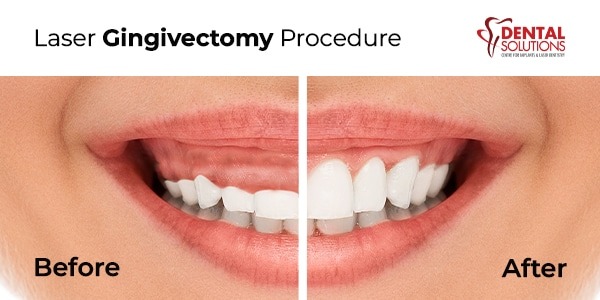
A gingivectomy or flap procedure temporarily lifts gum tissue to expose the decay. The dentist removes all infected material, then restores the tooth—often with glass ionomer. Once done, the gum is repositioned and heals within weeks.
This step is critical: untreated subgingival decay leads to abscesses, bone loss, and tooth loss. Without surgical access, fillings fail because bacteria remain hidden.
Healing Note: Discomfort is mild. Follow post-op care—avoid smoking, eat soft foods, and rinse with warm salt water.
Restore Weak Teeth with Crowns or Root Canals
Extensive decay compromises tooth strength and may infect the nerve.
Get a Crown for Large Restorations
If more than half the tooth is damaged, a filling won’t hold. A dental crown covers the entire tooth, preventing fractures. Options include:
– Zirconia: Strong, metal-free, natural-looking
– Lithium disilicate (e.g., IPS e.max): Excellent aesthetics for front teeth
– Porcelain-fused-to-metal (PFM): Durable, but may show a dark line over time
The tooth is reshaped, an impression taken, and a temporary crown placed. The final crown is cemented in 1–2 weeks.
Need a Root Canal? Don’t Delay
If decay reaches the pulp, infection causes throbbing pain, swelling, or sensitivity to pressure. A root canal removes the infected nerve, cleans the canals, and seals them. Without it, an abscess forms, risking systemic infection.
Myth Busting: Root canals aren’t painful—they relieve pain. The tooth is then restored with a crown for full function.
Prevent Future Gumline Decay
Once treated, protecting the area is essential to avoid recurrence.
Master the 45-Degree Brushing Technique
Hold your toothbrush at a 45-degree angle toward the gums. Use short, gentle strokes—no scrubbing. Focus on the gumline, where plaque hides. Use a soft-bristled brush to avoid further recession.
Timing Matters: Wait 30 minutes after eating before brushing, especially after acidic foods.
Floss Daily with Proper C-Shape Method
Slide floss gently between teeth, then curve it into a C-shape around each tooth. Move it up and down, sliding slightly below the gum to clean the root surface. For wide gaps or recession, interdental brushes clean more effectively than floss.
Use Fluoride Mouthwash and Xylitol Gum
A daily fluoride rinse (like ACT or Colgate Phos-Flur) strengthens root surfaces. Chlorhexidine helps if you have gum disease. After meals, chew xylitol gum to stimulate saliva and neutralize acids.
Manage Risk Factors Proactively
Address underlying issues that make you prone to decay.
Treat Dry Mouth and Bruxism
Stay hydrated and use saliva substitutes like Biotène or XyliMelts. Avoid alcohol-based mouthwashes. If medications cause dry mouth, talk to your doctor about alternatives.
For teeth grinding, wear a custom night guard. It prevents enamel wear, gum recession, and notches (abfraction lesions) at the gumline.
Control Diabetes and Avoid Tobacco
Diabetics have higher infection risks and slower healing. Keeping blood sugar stable reduces gum disease and decay. Smokers face 2–3x higher risk of periodontal disease—quitting improves oral and overall health.
See Your Dentist Early—Before Pain Starts
Don’t wait for pain to act. By the time you feel discomfort, decay may already need a crown or root canal.
Schedule Biannual Cleanings and Exams
Every 6 months, get:
– Professional cleaning to remove tartar
– Oral cancer screening
– Caries risk assessment
– Early detection of gum disease
High-risk patients (dry mouth, diabetes, history of decay) may need visits every 3–4 months.
Bottom Line: A small filling today prevents a root canal tomorrow.
Key Takeaways: Protect Your Gumline
- Early decay can be reversed with fluoride or hydroxyapatite
- Fillings stop cavities—composite for visible areas, glass ionomer for root surfaces
- Subgingival decay needs gum surgery for full treatment
- Crowns and root canals save severely damaged teeth
- Prevention wins: Brush at 45°, floss daily, control diet, manage dry mouth
- See your dentist at the first sign of sensitivity or discoloration
Tooth decay at the gum line doesn’t have to mean pain or tooth loss. With prompt care and smart habits, you can stop it in its tracks and keep your smile strong for years to come.