Tooth pain can hit like a lightning bolt—sharp, sudden, and impossible to ignore. When you can’t get to a dentist right away, many turn to home remedies for fast relief. Among the most effective and scientifically supported options is how to use garlic for tooth pain. For centuries, garlic has been used across cultures as a natural remedy, and modern research confirms why: fresh garlic contains allicin, a powerful compound with antibacterial and anti-inflammatory properties that can help reduce oral bacteria and soothe mild toothaches caused by infection or gum irritation.
While garlic won’t fix cavities, abscesses, or nerve damage, it can offer temporary relief until professional care is available. This guide shows you exactly how to use garlic safely and effectively, step by step. You’ll learn the best methods—like chewing, paste application, and oil soaks—why garlic works, when to avoid it, and what signs mean you need urgent dental help. We’ll also compare garlic to other home remedies and highlight key risks, such as chemical burns from overuse. Whether you’re dealing with food stuck between teeth, early gum inflammation, or a small cavity, this practical breakdown helps you make informed decisions—fast.
Crush Garlic to Activate Pain Relief

Why Crushing Releases Healing Compounds
Garlic only becomes effective when fresh cloves are crushed or chewed. Whole, unpeeled garlic does nothing for tooth pain because its active ingredient—allicin—is locked inside the plant cells. When you crush, chop, or bite into a clove, an enzyme called alliinase converts alliin into allicin, the sulfur-rich compound responsible for garlic’s strong smell and medicinal power.
Allicin fights bacteria linked to tooth decay and gum disease, including:
– Streptococcus mutans (cavity-causing bacteria)
– Porphyromonas gingivalis (linked to periodontitis)
– Lactobacillus species (associated with enamel erosion)
“Only fresh, crushed garlic produces allicin, which may combat bacteria causing toothaches.” – Article 1
Unlike garlic tablets, powders, or cooked garlic, raw crushed garlic delivers real-time antimicrobial action. But allicin breaks down quickly—within minutes—so use it immediately after preparation.
What Form Works Best?
| Garlic Type | Effective for Tooth Pain? | Reason |
|---|---|---|
| Fresh, raw, crushed clove | ✅ Yes | Releases active allicin |
| Garlic paste (homemade) | ✅ Yes | Maximizes surface contact |
| Garlic oil (freshly infused) | ✅ Yes | Easier on gums, still active |
| Garlic powder | ❌ No | No allicin; may irritate |
| Cooked garlic | ❌ No | Heat destroys allicin |
| Garlic supplements | ❌ No | Often aged or coated; no immediate effect |
Stick to fresh garlic only. Avoid store-bought minced garlic in jars—it’s often pasteurized, reducing potency.
Apply Garlic Directly to the Painful Area
Chew a Clove on the Affected Side
One of the fastest ways to relieve tooth pain with garlic is chewing a fresh clove directly on the painful side of your mouth.
Steps:
1. Peel one medium garlic clove.
2. Place it near the aching tooth and gently chew to crush it.
3. Let the pulp sit against the tooth and gum for 5–10 minutes.
4. Spit out all remnants.
5. Rinse thoroughly with water.
This method allows allicin to penetrate small crevices, killing bacteria in early cavities or gum pockets. Some users report a numbing sensation within minutes—though others feel a burning sting due to sulfur compounds activating pain receptors.
“Allow chewed garlic to rest on the painful tooth to release allicin.” – Article 1
💡 Pro Tip: If the taste is overwhelming, follow up with a saltwater rinse or peppermint tea bag.
Make a Garlic-Salt Paste
Combining crushed garlic with salt boosts its antibacterial effect and helps draw out fluid from inflamed tissue.
What You Need:
– 1 fresh garlic clove
– Pinch of table or sea salt
– Optional: 1 drop olive oil (to reduce irritation)
How to Apply:
1. Crush the peeled clove into a paste using a knife or spoon.
2. Mix in salt (and oil, if using).
3. Dip a clean cotton swab or fingertip into the paste.
4. Dab it only on the painful area—not surrounding gums.
5. Leave for 5–10 minutes, then remove and rinse.
“Mix with salt—it has antibacterial properties and may reduce inflammation.” – Article 1
Salt acts as a mild disinfectant and osmotic agent, pulling moisture from swollen tissues. Olive oil dilutes the strength of raw garlic, making it gentler on sensitive mouths.
⏱️ Time Estimate: 3 minutes prep + 5–10 minutes application
Use Garlic Oil on a Cotton Pellet
For those who can’t tolerate raw garlic, garlic oil offers a milder alternative without sacrificing effectiveness.
Method:
1. Crush fresh garlic and steep in olive or coconut oil for 2+ hours (or use fresh-pressed commercial garlic oil).
2. Soak a small piece of cotton ball or dental roll in the oil.
3. Press it against the painful tooth or gum line.
4. Hold in place for 5–10 minutes.
5. Discard and rinse mouth.
“Soak a cotton pellet in fresh garlic oil and place it on the tooth—used in clinical studies.” – Article 2
This technique minimizes direct tissue contact while still delivering allicin. It’s ideal for children or people with sensitive oral mucosa.
⚠️ Warning: Do not use hydrogenated oils or old bottled garlic oil—these lack potency and may contain additives.
Limit Use to Prevent Gum Damage

Never Leave Garlic On Overnight
While it might seem logical that longer exposure equals better results, prolonged garlic use harms oral tissue. Allicin and other sulfur compounds can cause chemical burns, leading to redness, blistering, or even ulceration of the gums and cheek lining.
Safe Usage Guidelines:
– ✔️ Apply for no more than 10 minutes
– ✔️ Repeat 2–3 times per day if needed
– ❌ Do not sleep with garlic in your mouth
– ❌ Do not pack garlic into open cavities
“Longer exposure doesn’t increase relief—it often leads to gum irritation.” – Article 3
Even healthy mouths can react badly to extended contact. If you experience intense burning, stop immediately.
Watch for Burning and Irritation
Many people mistake the burning sensation from garlic as a sign it’s “working.” In reality, this feeling comes from sulfur compounds stimulating pain receptors (TRP channels) in your mouth—similar to how chili peppers create heat.
This does not mean healing is occurring. In fact, persistent burning may worsen inflammation.
If irritation occurs:
1. Remove garlic immediately.
2. Rinse with cool water or milk (milk neutralizes sulfur compounds).
3. Apply aloe vera gel or plain yogurt to soothe the area.
4. Switch to gentler remedies like saltwater rinse or clove oil.
Discontinue use if pain increases or sores develop.
Know When Garlic Won’t Help
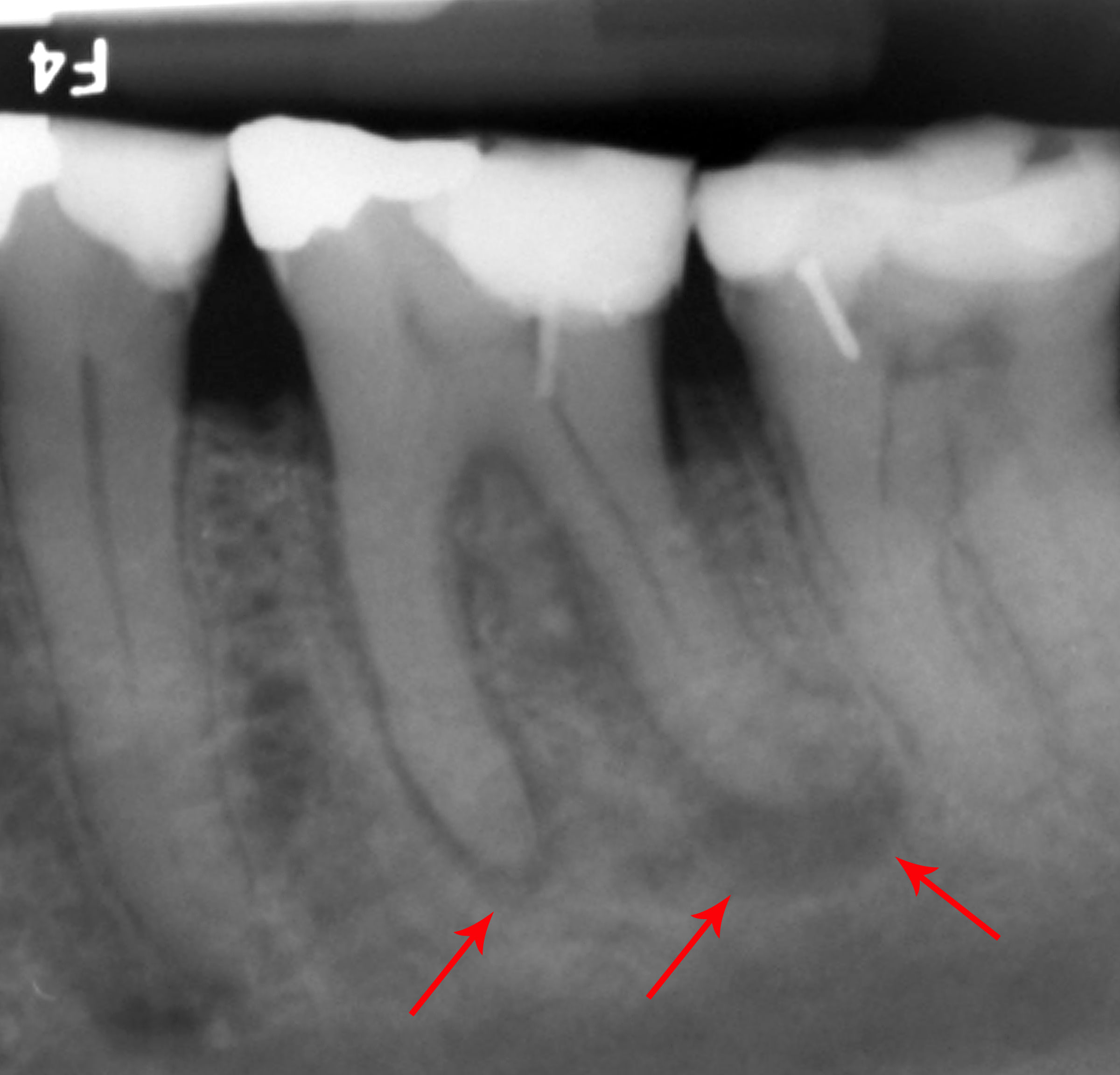
Deep Infections Need Professional Care
Garlic cannot:
– Drain a dental abscess
– Kill bacteria deep inside the tooth pulp
– Heal cracked or broken teeth
– Replace antibiotics or root canal treatment
It has no effect on nerve pain caused by irreversible pulpitis (dead or dying tooth nerve). If your pain is throbbing, worsens at night, or lingers after hot/cold exposure, garlic will likely do little.
“Nerve pain from deep decay usually doesn’t respond well to garlic.” – Article 3
In these cases, temporary relief from garlic may mask serious problems, delaying essential dental treatment and increasing the risk of complications like abscesses or systemic infection.
Signs You Need a Dentist Immediately
Stop home remedies and seek emergency dental care if you have:
| Symptom | Why It’s Dangerous |
|---|---|
| Swelling in face, jaw, or gums | Could indicate spreading infection or abscess |
| Pus or foul taste in mouth | Active bacterial infection |
| Fever or chills | Systemic involvement (sepsis risk) |
| Difficulty opening mouth | Possible cellulitis or Ludwig’s angina |
| Persistent pain >48 hours | Likely irreversible pulp damage |
| Visible hole or crack in tooth | Structural damage requiring filling or crown |
“Home remedies are temporary. See a dentist if you have severe pain, swelling, fever, or pus.” – Article 1
Even if garlic eases discomfort, schedule a dental visit within 24–48 hours. Pain relief doesn’t mean the problem is gone—it may be getting worse beneath the surface.
Try Safer Alternatives If Garlic Irritates
Saltwater Rinse for Gentle Cleaning
When garlic burns or tastes too strong, saltwater is a safe, effective alternative.
How to Use:
1. Mix ½ tsp salt in 1 cup warm water.
2. Swish around the affected area for 1–2 minutes.
3. Spit out—do not swallow.
4. Repeat 2–3 times daily.
Benefits:
– Reduces bacteria
– Soothes inflamed gums
– Promotes healing
– Cleans food debris from cavities
“Swish to cleanse and reduce inflammation.” – Article 1
Ideal after meals or before bed.
Clove Oil: Natural Anesthetic Alternative
Clove oil contains eugenol, a natural antiseptic and local anesthetic used in dental offices.
Application:
1. Dilute 1–2 drops in olive or coconut oil.
2. Soak a cotton swab and apply to the painful tooth.
3. Leave for 5–10 minutes.
4. Rinse gently.
“Clove oil reduced pain from irreversible pulpitis—from ‘severe’ to ‘no pain.’” – Article 2
Avoid undiluted clove oil—it can damage soft tissue.
Cold Compress for Swelling and Numbness
For external pain or facial swelling, ice therapy works fast.
Method:
– Wrap ice pack in cloth.
– Apply to cheek for 15 minutes on, 15 minutes off.
– Repeat as needed.
Benefits:
– Constricts blood vessels
– Reduces inflammation
– Numbs nerve signals
Use alongside other remedies—but not instead of seeing a dentist.
Other Evidence-Supported Options
| Remedy | How to Use | Key Benefit |
|---|---|---|
| Peppermint tea bag | Cool and place on tooth | Natural numbing effect |
| Hydrogen peroxide rinse | Mix 50% 3% peroxide + water | Fights plaque and bacteria |
| Thyme | Chew leaf or apply oil | Contains antibacterial thymol |
| Aloe vera gel | Apply small amount to gum | Soothes inflammation |
| Ibuprofen (Advil) | Take orally as directed | Anti-inflammatory + pain relief |
“Over-the-counter meds like ibuprofen reduce pain and swelling.” – Article 1
Never place aspirin directly on gums—it causes tissue necrosis (chemical burn).
Avoid Common Mistakes That Worsen Pain
Don’t Use Garlic Powder or Supplements
Garlic powder, tablets, and capsules do not work for tooth pain. They contain little to no allicin because processing destroys or alters the active compounds.
Also, garlic powder can be abrasive—rubbing it on sensitive teeth or gums may scratch enamel or irritate tissue.
Stick to fresh, raw garlic only.
Don’t Push Garlic Into Cavities
Jamming garlic into a deep cavity traps the clove and increases pressure, potentially worsening pain. Worse, decomposing garlic left inside a tooth becomes a breeding ground for bacteria.
If food or garlic gets stuck:
1. Rinse with warm salt water.
2. Use dental floss gently.
3. Avoid sharp tools.
Don’t Delay Dental Visits
Using garlic as a long-term solution is dangerous. At best, it delays treatment. At worst, it allows infections to spread to the jawbone, bloodstream, or brain.
“Relying on remedies like garlic can delay proper care and increase complications.” – Article 4
Even if pain goes away, the underlying issue—like a hidden abscess—may still be active.
Follow a Smart Home Care Timeline
Immediate Action Plan for Tooth Pain
Use this timeline to manage symptoms safely while arranging dental care:
| Time | Action |
|---|---|
| Now | Rinse with warm salt water to clean area |
| Within 1 hour | Apply garlic paste or clove oil (5–10 min) |
| As needed | Use cold compress on cheek for 15-minute intervals |
| For pain flare-ups | Take ibuprofen or acetaminophen as directed |
| If irritation occurs | Stop garlic; switch to peppermint tea or salt rinse |
| Next day | Book a dental appointment—no exceptions |
“Even if pain eases, schedule a dental visit to address the root cause.” – Article 2
Garlic is a bridge, not a destination.
Final Tips for Safe, Effective Use
✅ Do This:
- Use fresh, crushed garlic only
- Apply for 5–10 minutes, 2–3 times daily
- Combine with salt or oil to enhance or reduce strength
- Rinse thoroughly after use
- See a dentist within 48 hours
❌ Don’t Do This:
- Use garlic powder, cooked garlic, or pills
- Leave garlic on overnight
- Apply to broken skin or open wounds
- Swallow large amounts (can cause stomach upset)
- Replace dental visits with home remedies
⚠️ Special Precautions
Avoid garlic if you:
– Are allergic to alliums (onion, garlic, leeks)
– Take blood thinners (e.g., warfarin)—garlic increases bleeding risk
– Have diabetes—garlic may lower blood sugar slightly
– Are pregnant/nursing—topical use lacks safety data
Consult your doctor if unsure.
Bottom Line: Garlic Offers Short-Term Relief Only
Crushed fresh garlic can provide temporary relief for mild toothaches caused by bacterial buildup or minor gum irritation. Its active compound, allicin, fights oral pathogens and reduces inflammation—supported by small clinical trials showing pain reduction comparable to clove oil.
However, garlic is not a cure. It doesn’t repair damaged teeth, treat abscesses, or stop nerve death. Overuse risks chemical burns, and reliance on it delays essential care.
Use garlic cautiously, briefly, and strategically—as part of a broader plan that includes rinsing, cold therapy, OTC painkillers, and prompt dental evaluation. For lasting relief and long-term oral health, nothing replaces a professional diagnosis and treatment.