You just had your wisdom teeth pulled and the nicotine cravings are hitting hard. You’re not alone—thousands of vapers face this dilemma every year. But here’s what you need to know: how to vape after wisdom tooth extraction isn’t just about timing—it’s about avoiding a severe complication called dry socket. Dental experts warn that vaping too soon can disrupt the fragile blood clot forming in your extraction site, leading to days of excruciating pain, infection risk, and emergency dental visits. While some users report vaping within 48 hours without issues, the medical consensus is clear: the risk far outweighs the temporary relief. This guide breaks down the real dangers, safe waiting periods, harm-reduction techniques if you must vape, and safer alternatives like nicotine patches—all based on expert advice, clinical research, and real user experiences.
Why Vaping Increases Your Risk of Dry Socket
Suction Force Can Rip Out the Healing Blood Clot
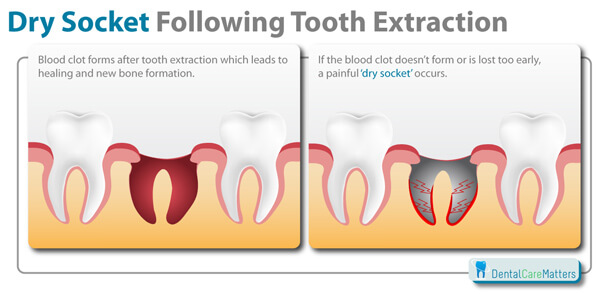
The biggest danger of vaping after oral surgery is suction. When you inhale from a vape pen, you create negative pressure in your mouth—just like drinking through a straw. This force can easily pull the delicate blood clot from the empty tooth socket, especially during the first 72 hours when healing is most vulnerable. Once that clot is gone, bone and nerve endings are exposed, leading to alveolar osteitis, commonly known as dry socket. This condition causes intense, radiating pain that typically starts 2–4 days post-op and often doesn’t respond to over-the-counter painkillers.
Fact: Dry socket affects up to 38% of third molar extractions—and suction is a top contributing factor.
Even gentle puffs can be dangerous. One Reddit user reported severe pain after sipping a drink through a straw, proving that minimal suction is still risky. Sealing your lips around the mouthpiece increases this pressure, making standard vaping extremely hazardous—especially for lower wisdom teeth, which are more prone to complications due to reduced blood flow and gravity.
Nicotine Restricts Blood Flow and Slows Healing
Nicotine is a vasoconstrictor, meaning it narrows blood vessels and reduces circulation to your gums. Less blood flow means fewer oxygen and nutrients reach the surgical site, slowing tissue repair and weakening the stability of the forming clot. Even if you avoid suction, nicotine alone can impair healing, increase swelling, and raise the risk of infection. This means longer recovery times and a higher chance of complications—even with careful technique.
Heat and Chemicals Irritate Healing Tissues
Vape aerosol isn’t harmless water vapor. It contains heat, propylene glycol, vegetable glycerin, flavorings, and microscopic particles—all of which can irritate sensitive surgical wounds. Hot vapor can inflame gum tissue, disrupt the oral microbiome, and introduce bacteria into the open socket. Nicotine-free vaping still poses risks because suction and chemical exposure remain. The act of inhaling—not just the contents—is what puts your recovery at risk.
Key Point: No vape is truly “safe” immediately after extraction. The mechanical action of inhaling threatens healing, regardless of e-liquid composition.
How Long to Wait Before Vaping: A Timeline Guide

First 48 Hours: Absolute No-Vape Zone
Do not vape during the first two days after surgery. This is when the blood clot forms and stabilizes—the most critical phase of healing. Any suction, heat, or nicotine exposure can destroy it. Your top priority is protecting that clot. Even if cravings are strong, wait. The few minutes of relief aren’t worth days of agony.
Dentist Advice: “There is no safe way to vape or smoke immediately after extraction.” — Oral Surgeon, Deer Park IL
Days 3–4: High-Risk Window
Between 48 and 96 hours, the clot is stronger but still fragile. Some users report vaping safely by this point—especially with precautions—but most dental professionals advise against it, particularly for surgical or multiple extractions. If you must vape, use harm-reduction techniques (see below) and limit yourself to 1–2 short puffs, then wait and monitor for pain.
Days 5–7: Proceed with Caution
By day 5, soft tissue begins to cover the socket, and the risk of dry socket drops significantly. You may cautiously resume vaping if you have no pain, swelling, or bad taste. Use low wattage, avoid lip seal, and keep sessions brief. Stay alert for delayed complications.
After Day 7: Generally Safe to Resume
Most experts agree that waiting 5–7 days drastically reduces risk. By this time, the clot is stable, and the socket is partially closed. You can gradually return to normal vaping habits, but continue to watch for signs of irritation or infection.
Consensus: 72 hours is the minimum. 5–7 days is ideal for a safe, complication-free recovery.
Harm-Reduction Techniques If You Must Vape
Use Gauze as a Physical Barrier (With Limitations)
Placing gauze over extraction sites may offer limited protection.
How to Apply:
- Cut gauze in half and fold into small pads
- Moisten slightly with saline or water
- Press gently over the socket(s)
- Ensure full coverage before vaping
Limitation: Gauze does not block suction or heat. It may dislodge during inhalation.
Some users report success (e.g., Particular_Hotel_166, Last_Krakatoa_7109), but results vary. It’s better than nothing—but not a safety guarantee.
Practice Open-Mouth, No-Suction Inhalation
Eliminate the biggest risk—suction—by avoiding lip seal.
Technique:
- Hold the vape device near your mouth
- Keep lips open
- Inhale passively, as if breathing in steam
- Do not “pull” or draw vapor
User Tip: “I didn’t create suction—just inhaled the vapor that passively came from the device.” — Suckslife
Expert Confirmation: “If you’re not creating suction, you’re not at risk for dislodging the clot.” — Article 5
This method removes the most dangerous factor—negative pressure—making it the single most effective harm-reduction step.
Try Alternative Inhalation Methods
Nasal Inhalation
- Insert vape tip into one nostril
- Inhale through the nose
- Switch sides to avoid irritation
Warning: Can cause nasal burning, sinus discomfort, or infection. Not recommended for long-term use.
Water-Hold Method
- Fill mouth with water
- Inhale vapor through the nose while holding water
- Exhale gently
User Report: “I hold a mouthful of water while inhaling through both nostrils.” — InsightfulBird405
Risk: Potential for aspiration or sinus contamination.
Partner-Assisted Vaping
- Have someone else take a hit
- They blow the vapor into your open mouth
- You inhale without device contact
User Report: “My spouse took a big hit and blew it into my mouth. Took the edge off.” — YourCryptoMom
Benefit: Eliminates suction and keeps vape away from surgical site.
Modify Your Vaping Habits for Safer Use

Use Low Wattage Settings
High heat increases tissue irritation. If resuming early:
– Set device to lowest effective wattage
– Use temperature control mode if available
– Avoid dry hits or burnt coils
Cooler vapor reduces thermal damage to healing gums.
Clean the Mouthpiece
Bacteria on your vape can infect the socket.
Steps:
- Wipe mouthpiece with alcohol swab
- Replace disposable tips
- Wash hands before handling
Prevents introducing pathogens to the open wound.
Limit Puffs and Frequency
Start with 1–2 short puffs, then wait 30 minutes. Watch for:
– Sudden pain
– Bad taste
– Swelling
If any occur, stop immediately. Avoid repeated sessions. Gradual reintroduction is safer.
Safer Alternatives to Vaping
Use Nicotine Patches (Top Recommended Option)
Patches are the #1 alternative recommended by dentists.
Benefits:
- Delivers nicotine through skin
- No oral exposure
- No suction or heat
- Steady dose reduces cravings
When to Start:
- Wait 24–48 hours post-op to allow clot formation
- Apply to clean, dry skin (rotate sites daily)
Available in 7, 14, and 21 mg strengths—choose based on your usual intake.
Consider Nicotine Gum (With Caution)
Gum provides faster relief than patches but carries risks.
Precautions:
- Avoid chewing near extraction sites
- Use soft, non-acidic flavors
- Don’t chew vigorously
May irritate healing tissue, so patches are preferred.
Try Behavioral Craving Management
Non-nicotine methods can help:
– Chew sugar-free gum (away from surgical sites)
– Suck on ice chips
– Practice deep breathing or meditation
– Stay busy with games, TV, or work
– Drink water or herbal tea
Cold compresses on the jaw may also reduce urge intensity.
Special Considerations
Upper vs. Lower Extractions
- Upper wisdom teeth: Better blood supply, less mechanical stress, faster healing
- Lower wisdom teeth: Denser bone, higher dry socket risk, longer recovery
User Insight: “Upper extractions are easier. Lower ones are riskier.” — Last_Krakatoa_7109
If only upper teeth were removed, risk is lower—but still present.
Stitches Don’t Make Vaping Safe
Sutures help stabilize the clot but do not eliminate risk. Suction can still dislodge it. Chemical and thermal exposure remain threats. Wait at least 48–72 hours even with stitches.
MTL vs. DTL Devices: No Real Difference
- MTL (Mouth-to-Lung): Mimics cigarette draw, often involves more suction
- DTL (Direct-to-Lung): Requires larger inhales, generates more negative pressure
Reality: Neither is safer. Suction control matters more than device type.
User Question: “Is DTL better than MTL post-op?” — No evidence supports this.
Watch for Warning Signs of Complications
Early Signs of Dry Socket
- Throbbing pain starting 2–4 days post-op
- Pain spreading to ear, temple, or neck
- Visible white bone in the socket
- Foul smell or bitter taste
- Pain not relieved by ibuprofen or acetaminophen
Action: Call your dentist immediately. Treatment includes medicated dressings.
Signs of Infection
- Increasing swelling after Day 3
- Pus or yellow/green discharge
- Fever or chills
- Swollen lymph nodes under jaw
Infections can spread—seek care fast.
Best Practices Summary
✅ Do This
- Wait 72 hours minimum, 5–7 days ideal
- Use nicotine patches instead of vaping
- Try open-mouth, no-suction inhalation if vaping
- Place gauze over sockets (limited protection)
- Set vape to lowest wattage
- Clean mouthpiece before use
- Take 1–2 puffs max, then wait
- Rinse with warm salt water after vaping
- Monitor for pain, taste, or swelling
❌ Avoid These
- Vaping in first 48 hours
- Sealing lips around mouthpiece
- Using straws, spitting, or forceful rinsing
- Repeated or long vaping sessions
- Ignoring early warning signs
- Vaping after eating spicy or acidic foods
Final Note: The few days of nicotine discomfort are nothing compared to the excruciating pain of dry socket. Waiting 5–7 days to vape is the smartest move for a smooth recovery. If you must vape earlier, eliminate suction, protect the site, and keep it brief. But the safest choice? Let your mouth heal first.