If your Nicwell water flosser not working, you’re not alone. Thousands of users report sudden failures with this cordless device—LED lights turn on but no water flows, the unit has no power at all, or the nozzle pops off mid-use. This budget-friendly flosser is praised for its portability and quiet operation, but it’s prone to battery degradation, motor issues, and mechanical flaws that cause it to stop working. The good news? Many problems can be diagnosed and resolved at home with simple steps. In this guide, you’ll learn how to troubleshoot power issues, clear clogs, fix charging problems, and prevent future breakdowns.
Check Charging and Power Source
The most common reason a Nicwell water flosser not working is a dead or degraded battery. Before assuming your device is broken, verify your charging system is functioning properly.
Test with a Working USB Setup
Start by confirming your charging setup works correctly. Use a known-good USB cable, preferably the original one that came with your unit. Plug into a reliable power source like a wall adapter rated 5V/1A, a computer USB port, or a power bank. Avoid low-output sources like some laptop ports or worn cables, as these may not provide enough power to charge the battery. If the flosser still won’t charge after trying these steps, the issue likely lies within the device itself.
Inspect the Charging Port
Debris, moisture, or corrosion can block the charging connection and cause your Nicwell water flosser not working. Shine a flashlight into the port and look for lint, toothpaste residue, or greenish corrosion. Gently clean the port with a dry cotton swab or soft brush, and never use metal objects that could damage the contacts. If the port appears damaged or feels loose, charging won’t occur even with a perfect cable.
Observe LED Behavior
The LED light tells you exactly what’s happening with your device. No light indicates a dead battery, broken circuit, or port failure. A flickering or dim light suggests a weak battery or poor connection. A steady light during charging is normal, and you should let it charge for 4 to 6 hours. If the light turns off after just 1 to 2 minutes, the battery is likely overheating or has reached end-of-life failure.
Diagnose Power-On-No-Output Issues
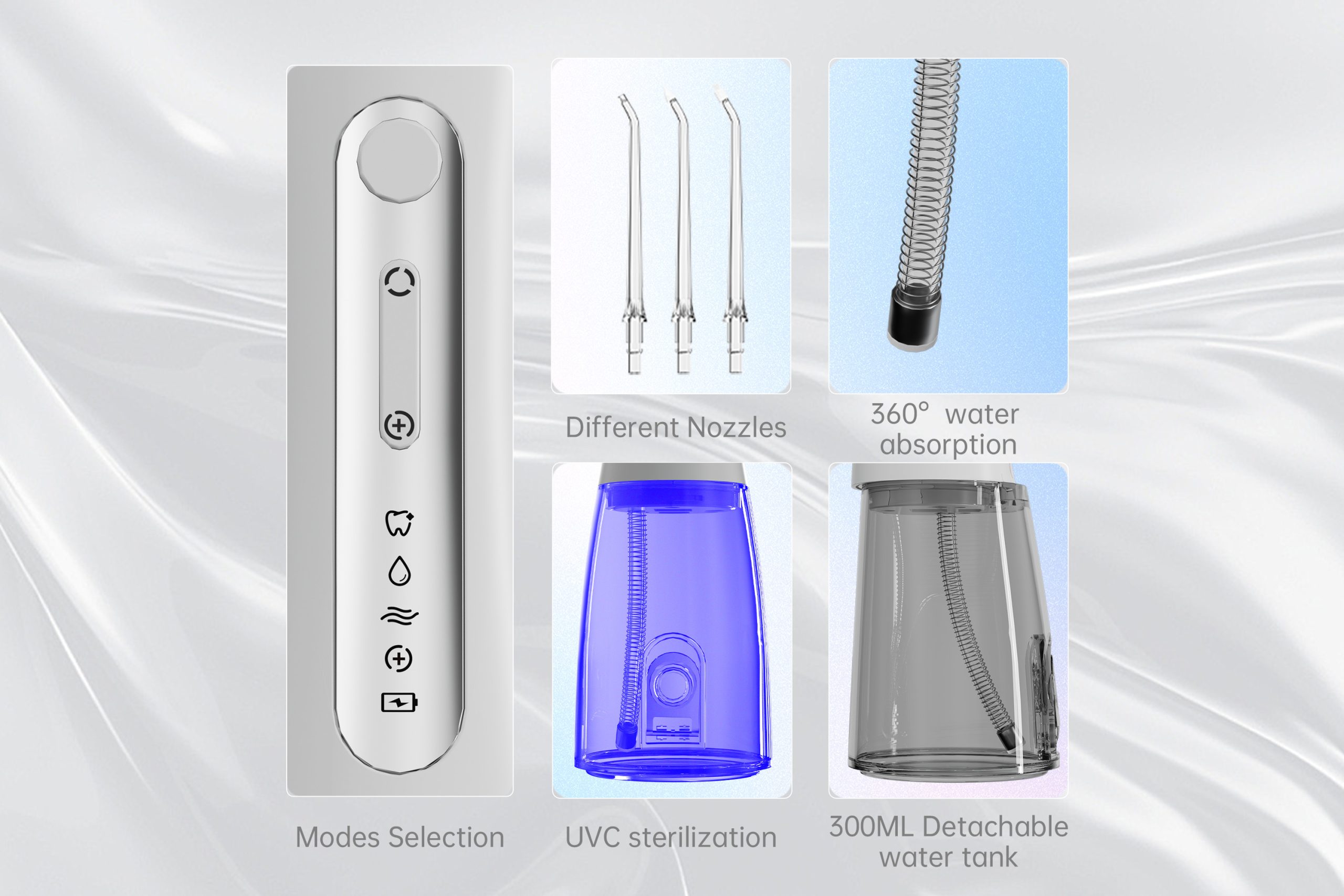
One of the most frustrating symptoms is when your Nicwell water flosser not working but the LED lights up. This “lights on, no flow” problem points to specific internal issues.
Confirm Motor and Pump Status
When you see the LED but hear no sound and no water flows, the battery has some charge but not enough to power the motor. Alternatively, the motor or pump could be seized, clogged, or disconnected internally. This symptom often indicates electrical or mechanical failure within the unit rather than a simple charging problem.
Rule Out Loose Wiring
Internal wires can disconnect from vibration or drops, causing your Nicwell water flosser not working despite appearing to have power. One user reported that when their flosser stopped making noise, a wire had come loose inside. Without opening the unit, you cannot fix this issue, but loose wiring is a likely cause when charging works but nothing else functions.
Consider Battery Degradation
Lithium-ion batteries weaken over time, especially with daily use. After 1 to 2 years, capacity drops sharply, and the battery may power the LED but lack the surge needed to start the motor. Rapid drain or failure shortly after charging are clear red flags that your battery has degraded beyond recovery.
Clear Clogs and Airlocks
A Nicwell water flosser not working often stems from clogged nozzles or trapped air in the system. These issues are easy to fix with proper cleaning.
Soak and Clean All Tips
Clogged nozzles can make your device appear broken. Remove the Jet, Ortho, and Tongue Tips, then soak them in warm white vinegar for 10 to 15 minutes. Rinse thoroughly under running water and blow through gently to clear any remaining debris. Use a soft brush to scrub tiny openings. Replace tips every 3 to 6 months, especially Ortho Tips used with braces, as worn tips reduce effectiveness and strain the pump.
Flush the Internal System
Mineral buildup blocks water flow and causes your Nicwell water flosser not working. Fill the tank with equal parts vinegar and water, then run the flosser without any tip attached. Pulse for 30 seconds to flush the pump and tubing. Repeat 2 to 3 times with clean water to rinse thoroughly. Perform this monthly to prevent stubborn clogs from forming.
Purge Trapped Air
After refilling the tank, air can get stuck in the pump and prevent water from flowing. Turn on the flosser without a tip attached and hold it upright over the sink. Run for 5 to 10 seconds until water flows smoothly, then reattach the tip and test. This simple step fixes many “no water” issues caused by airlocks.
Fix Nozzle Detachment Problems

A loose or popping-off nozzle is one of the most frequently reported issues when a Nicwell water flosser not working properly.
Ensure Proper Attachment
The nozzle must click and lock securely into place. Align the tip with the head and twist clockwise until it snaps securely. If it spins loosely or pops off, the locking mechanism is damaged. Try each tip type, as some may fit better than others.
Clean the Connection Port
Debris prevents a tight seal between the nozzle and the device. Wipe the nozzle port with a damp cloth and check for cracks or warping in the plastic. Use a toothpick to remove any buildup gently. A TikTok tutorial titled “How to Fix A Nicwell Water Flosser When The Head Wont Stay on” confirms this is a widespread issue that users encounter frequently.
Replace Worn Nozzles
Frequent use wears out connectors over time. Inspect tips for cracks, warping, or loose fit, and replace if any show signs of damage. Use only compatible Nicwell tips to ensure proper fit. If all tips fail to stay on, the flosser head itself may need replacement.
Inspect Assembly and Leaks
Improper assembly or damaged seals can cause your Nicwell water flosser not working and may lead to leaks or complete failure.
Seat the Water Tank Correctly
The tank must click into place for the device to activate. Remove and reinsert it fully, listening for a click or snap. Some models have a safety switch that prevents operation if the tank isn’t properly locked. A loose tank causes leaks and power failure.
Check O-Rings and Seals
Worn seals lead to drips and poor pressure. Remove the tank and inspect the rubber O-ring for cracks, flattening, or misplacement. Clean and reposition it, replacing if damaged. Dry all parts thoroughly before reassembling to prevent moisture-related issues.
Test for Base Leakage
If water pools at the base, a cracked housing or failed internal seal may be the culprit. Wipe the area dry and run the device briefly to locate the exact source of the leak. If water comes from the bottom, internal damage is likely, and repair is not practical for this non-serviceable unit.
Reset and Recalibrate
Electronic glitches can cause your Nicwell water flosser not working, and a reset may resolve these issues.
Perform a Manual Reset
No official reset procedure exists, but users report success with these methods. Hold the power button for 10 to 15 seconds. Let the device sit unplugged for 1 hour. Fully discharge the battery, then recharge it completely. This can clear electronic glitches that cause intermittent operation.
Recalibrate the Battery
For inconsistent performance, use the device until completely dead with no light and no response. Then charge uninterrupted for 6 hours. Avoid partial top-ups when possible, as this helps the battery gauge recalibrate accurately.
Charge While Powered Off
Some units charge more efficiently when turned off before plugging in. Wait until fully charged before turning the device on. This improves charging efficiency and prevents battery drain during the charging process.
Prevent Future Failures
Regular maintenance extends the life of your device and prevents your Nicwell water flosser not working due to neglect.
Follow Daily Maintenance
Empty the tank after each use and wipe it dry to prevent mold and mineral buildup. Store the device upright with the tip removed to allow ventilation. Stagnant water damages internal parts and leads to premature failure.
Schedule Monthly Deep Cleans
Flush the internal system with a vinegar-water solution once a month to prevent clogs and pump strain. Soak tips in vinegar weekly and inspect seals and nozzle fit regularly. Clean systems last significantly longer than neglected units.
Use Proper Charging Habits
Use only high-quality USB cables and charge in a dry area away from the sink. Unplug after 6 hours and never leave the device on the charger overnight. Fully discharge the battery every 2 to 3 months to maintain its health. These habits prevent overcharging and moisture damage that shorten battery life.
Replace Tips on Time
Old tips reduce effectiveness and strain the pump. Replace the Jet Tip every 6 months, the Ortho Tip every 3 months, and the Tongue Tip every 6 months. Fresh tips improve flow, hygiene, and reduce strain on the motor.
When to Replace the Unit
Sometimes your Nicwell water flosser not working cannot be fixed, and replacement is the practical choice.
Evaluate Warranty Status
Most Nicwell flossers come with a 1-year limited warranty. Contact the seller or manufacturer with proof of purchase. Describe the issue clearly and include photos or videos if possible. Request a replacement if the device is still under warranty. Amazon and other retailers often offer hassle-free returns.
Assess Repair vs. Replacement
This unit is not designed for user repair. The battery is sealed inside, and housings are glued or snap-fit, so disassembly risks breaking the device. Replacement parts are not sold publicly. Even if you fix one issue, the battery may fail again soon, making replacement more practical.
Consider Upgrading Your Model
If your Nicwell water flosser not working after only a year or two, consider a more durable option. The Waterpik Cordless Freedom offers better build quality with a 1 to 2 year warranty. The Philips Sonicare provides 2-year warranty coverage with proven reliability. The H2ofloss HF11 is compact with consistent pressure. Look for models with replaceable pumps, longer warranties, modular design, and clear instructions.
Frequently Asked Questions About Nicwell Water Flosser Not Working
Why does my Nicwell water flosser turn on but have no water flow?
This typically indicates the battery has enough charge for the LED but not enough to power the motor. It could also mean the motor is seized, the pump is clogged, or internal wiring has come loose. Try cleaning the system and charging fully, but expect possible internal failure if these steps don’t work.
How long should my Nicwell water flosser battery last?
With daily use, the lithium-ion battery typically lasts 1 to 2 years before significant degradation. The device is rated for approximately 21 days per full charge under average use, but capacity drops sharply after the first year.
Can I replace the battery in my Nicwell water flosser?
No, the battery is sealed inside the unit and is not designed for user replacement. Disassembly voids the warranty and risks permanent damage. When the battery fails, replacement is the practical solution.
Why does the nozzle keep falling off my water flosser?
The nozzle detaches due to worn connectors, debris in the attachment port, or manufacturing defects in the locking mechanism. Clean the connection port thoroughly and try different tips. If all tips fail to stay on, the flosser head needs replacement.
Is my Nicwell water flosser fixable, or should I replace it?
Minor issues like clogs, airlocks, and charging problems can be fixed with cleaning and proper maintenance. However, hardware-level problems like battery degradation, motor failure, or damaged internal wiring typically require replacement since the unit is not serviceable.
Key Takeaways for Fixing Your Nicwell Water Flosser
When your Nicwell water flosser not working, start by checking the charging system and LED behavior. Clear any clogs or airlocks that block water flow. Clean the nozzle connection and ensure all parts are properly seated. Perform a reset or battery recalibration to clear electronic glitches. With proper maintenance, your Nicwell can last 1 to 2 years, but hardware failures usually require replacement since the sealed, non-serviceable design makes repair impractical. For reliable daily use, consider upgrading to a more durable model with replaceable parts and longer warranty coverage.