You’ve probably used salt water rinses after dental work or to soothe sore gums. Now you’re wondering if you can skip the separate rinse and add salt directly to your water flosser. It’s a reasonable question, especially if you’re dealing with gum sensitivity or trying to simplify your oral care routine.
The short answer is yes, you can use salt water in a water flosser, but dental professionals and device manufacturers generally recommend against it. While some users report positive results, the risks include device clogging, internal corrosion, and potentially voiding your warranty. This guide covers what research shows, what experts recommend, and how to protect both your gums and your device.
Why People Consider Salt Water in Water Flossers
Salt water rinses have been a staple in oral care for generations. When people learn about the benefits, many wonder why they can’t combine the mechanical cleaning power of a water flosser with the therapeutic properties of salt.
Oral Health Benefits of Salt Water
Salt water offers several advantages that make it appealing for gum care.
The hypertonic environment created by salt draws fluid out of bacteria, reducing bacterial load in the mouth. Salt water also soothes inflamed gum tissue, providing relief after dental procedures or during gingivitis flare-ups. Additionally, salt water promotes healing by creating a clean environment in the mouth. For those sensitive to alcohol-based mouthwashes, salt water offers a gentler alternative without harsh chemicals.
Many users share stories of switching to salt water after experiencing irritation from commercial mouthwashes. One user reported that switching to salt water rinses resolved unusual tissue buildup that developed from using a popular mouthwash, and dental cleanings showed improved gum response afterward.
The Risks of Using Salt Water in Your Device

Despite its natural appeal, salt water poses real threats to your water flosser’s internal components and long-term performance.
Internal Clogging and Corrosion
Salt doesn’t dissolve completely at a microscopic level and can crystallize inside narrow tubing, valves, and pump mechanisms. Over time, this leads to reduced water pressure, irregular pulsing, complete blockages, and premature motor failure. Even small amounts of residue accumulate with repeated use, especially if the reservoir isn’t cleaned immediately after each session.
One dentist noted that salt deposition in thin tubing eventually causes clogging. Unlike mouthwash reservoirs designed for certain medicated solutions, most consumer water flossers aren’t built to handle minerals or solutes.
Manufacturer Recommendations
Waterpik, the leading brand, explicitly recommends using only plain water in their devices. Using salt water may void your warranty or disqualify you from support if mechanical issues arise. No water flosser manufacturer rates their device for salt solutions, regardless of model age or design improvements.
What Dental Professionals Recommend
Most dentists and dental hygienists advise caution when it comes to salt water in water flossers.
The prevailing recommendation is to use plain water during irrigation and follow with a separate salt water rinse. This two-step method maximizes the benefits of both without risking device damage. Dental professionals reserve salt water use for post-surgery recovery situations or short-term therapy rather than daily use.
The clinical reasoning is straightforward. Research does not demonstrate that salt water irrigation outperforms plain water in reducing plaque or improving gingival health. Antimicrobial agents like chlorhexidine have stronger clinical backing for therapeutic use, whereas salt lacks comparable data in irrigation contexts.
Conflicting Expert Opinions
The professional community isn’t completely unified on this issue, which adds to the confusion for consumers.
Some third-party experts on platforms like JustAnswer state that using a salt solution is perfectly fine, claiming the salt will not build up anywhere. This contradicts warnings from clinical dental sources about clogging and device damage, highlighting a gap between anecdotal advice and preventive dentistry standards.
The safest approach acknowledges this uncertainty. If you choose to use salt water, do so infrequently and cautiously, understanding that you assume some risk by going against manufacturer recommendations and most professional advice.
Safe Ways to Use Salt Water with Your Water Flosser
You don’t have to choose between gum health and device longevity. Several approaches let you benefit from salt water without endangering your flosser.
Best Practice: Separate Irrigation and Rinsing
The most recommended approach follows these steps.
First, floss with plain water to remove plaque and debris. Second, brush thoroughly. Third, rinse with salt water using one teaspoon of salt in eight ounces of warm water, swished for thirty seconds. This method preserves your device while targeting bacteria above and below the gumline and soothing tissues safely.
This two-step approach gives you maximum device life, proven plaque reduction, therapeutic gum benefits, and zero added risk.
Step-by-Step: Using Salt Water in the Reservoir
Some users prefer adding salt directly to the reservoir, particularly those focused on holistic health or biofilm control. If you decide to proceed, follow these damage-minimizing guidelines.
Prepare a Very Light Solution
Mix no more than one teaspoon of salt per full reservoir. Use distilled or filtered water to reduce mineral interactions. Stir well until salt is fully dissolved.
One user tip suggests using just enough salt to be visible at the bottom of the reservoir. This ensures a mild concentration without overdoing it. Avoid coarse or mineral-rich salts like sea salt unless you’re prepared for increased residue buildup.
Clean the Reservoir Immediately After Each Use
After every use with salt water, empty remaining liquid, rinse the reservoir with warm water, wash with mild soap and a soft brush, and air dry completely before reassembling. This step is non-negotiable. Failure to clean promptly allows salt crystals to form and cling to plastic surfaces.
Monitor for Device Issues
Watch for early warning signs including decreased water pressure, sputtering or inconsistent flow, and unusual noises from the motor. If any occur, stop using salt immediately and run several cycles with plain water to flush the system. For deeper cleaning, descale monthly with a vinegar-water solution or manufacturer-approved cleaner.
When Salt Water Use Might Be Worth It
There are specific scenarios where temporary salt water irrigation may offer more benefit than risk.
Post-Extraction or Oral Surgery Recovery
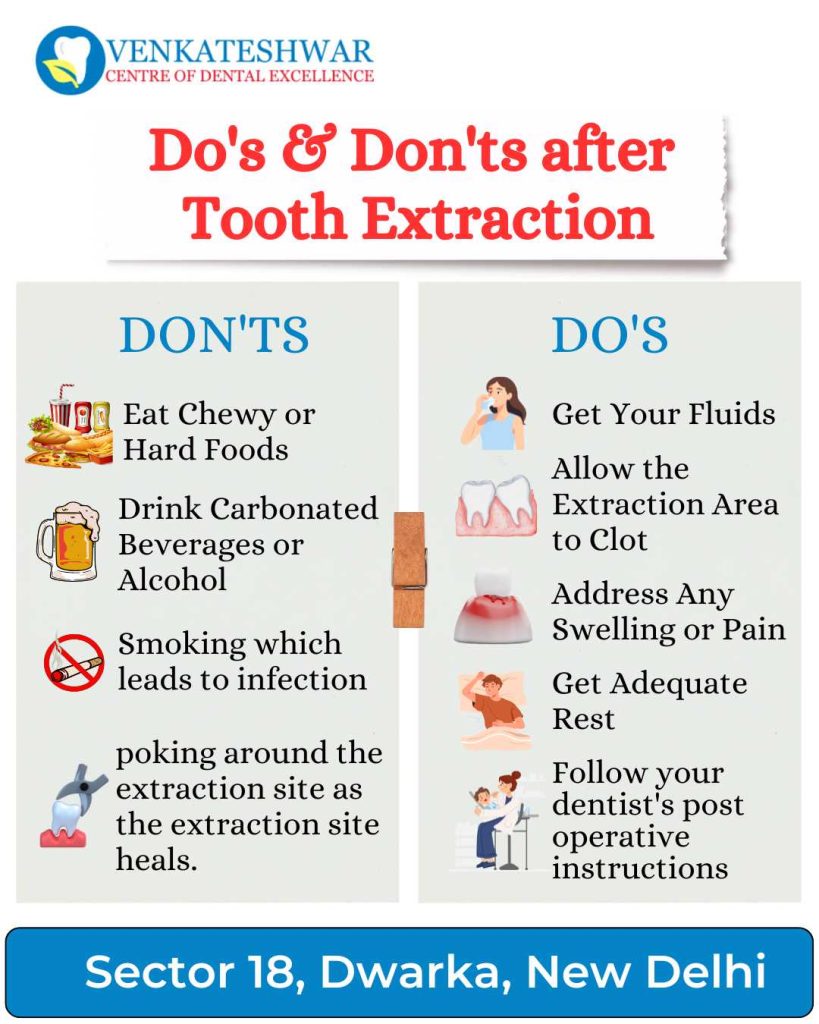
After tooth removal, your dentist may recommend gentle irrigation to keep the socket clean. A light salt water solution can help reduce infection risk, promote healing, and minimize pain and swelling. In these cases, short-term use with strict cleaning afterward may be acceptable, with some experts even supporting this approach.
One JustAnswer expert stated that using a salt solution for post-extraction care is perfectly fine. Always confirm with your oral surgeon first before attempting this.
Gum Inflammation or Gingivitis Flare-Ups
During acute gum irritation, salt water can reduce bacterial load and calm tissues. Instead of putting it in the flosser, try water flossing with plain water to flush pockets, then follow with a salt water rinse to disinfect and soothe. This dual-action method is safer and equally effective.
Maintenance Tips to Protect Your Device
Whether you use plain water or experiment with additives, proper upkeep keeps your flosser running smoothly.
Daily Habits
Empty and rinse the reservoir after each use. Store upright with the cap off to prevent mold. Use lukewarm water, not hot or cold.
Monthly Deep Cleaning
Fill the reservoir with half white vinegar and half water. Run the entire cycle, letting the solution pass through all tubing. Follow with two to three cycles of plain water to rinse out vinegar. Wipe the exterior with a damp cloth. This removes biofilm and mineral buildup, even from infrequent salt use.
Replace Tips Regularly
Swap tips every three to six months. Label tips for each user to prevent cross-contamination. Choose specialty tips if you have braces, implants, or deep pockets. Using the right tip improves cleaning efficiency far more than changing irrigants.
Cost Analysis: Is It Worth the Risk?
Let’s break down the financial considerations.
A mid-range water flosser costs fifty to sixty dollars as a one-time investment. Salt costs roughly two cents per use and lasts for months. However, potential repair or replacement from clogging or motor strain could cost fifty dollars or more. The real value comes from dental savings due to improved gum health, which could amount to hundreds of dollars over time.
The cost of salt is negligible, but damaging your device could mean replacing it early or paying for avoidable dental work if plaque control slips. Using plain water plus a separate salt rinse gives you the best of both worlds without the financial risk.
Frequently Asked Questions About Salt Water in Water Flossers
Can I use salt water in my Waterpik every day?
Most dental professionals recommend against daily use of salt water in your water flosser. Daily use increases the risk of internal clogging and mineral buildup that can damage the device over time. For daily oral care, stick with plain water in the reservoir and use salt water as a separate rinse after brushing.
What happens if salt builds up in my water flosser?
Salt buildup can cause reduced water pressure, inconsistent flow, complete clogs, and motor failure. If you notice these symptoms, stop using salt immediately and run several plain water cycles to flush the system. You may need to descale with vinegar or seek repair if the problem persists.
Can I use sea salt or mineral-rich salts in my water flosser?
It’s best to avoid coarse or mineral-rich salts like sea salt or Redmond Real Salt unless you’re prepared for increased residue and clogging risk. These varieties contain more minerals that can accumulate in internal components. If you choose to experiment, use a very light solution and clean the reservoir thoroughly after each use.
Is salt water safe after dental surgery?
Some experts consider light salt water irrigation safe for post-extraction care, as it can help reduce infection risk and promote healing. However, you should always follow your oral surgeon’s specific recommendations. Use only a very dilute solution and clean the device carefully if you use salt water during recovery.
Does salt water work better than plain water for gum health?
Clinical research does not demonstrate that salt water irrigation outperforms plain water in reducing plaque or improving gingival health. While salt water offers antibacterial benefits as a rinse, these benefits don’t necessarily improve when delivered through the flosser mechanism. Plain water remains the most evidence-supported irrigant for water flossers.
Key Takeaways for Using Salt Water in Your Water Flosser
The decision ultimately comes down to balancing potential benefits against known risks. Salt water offers real advantages for gum health, including antibacterial properties, soothing inflammation, and promoting healing. However, the risks to your device are substantial, including internal clogging, corrosion, reduced pressure, and voided warranty coverage.
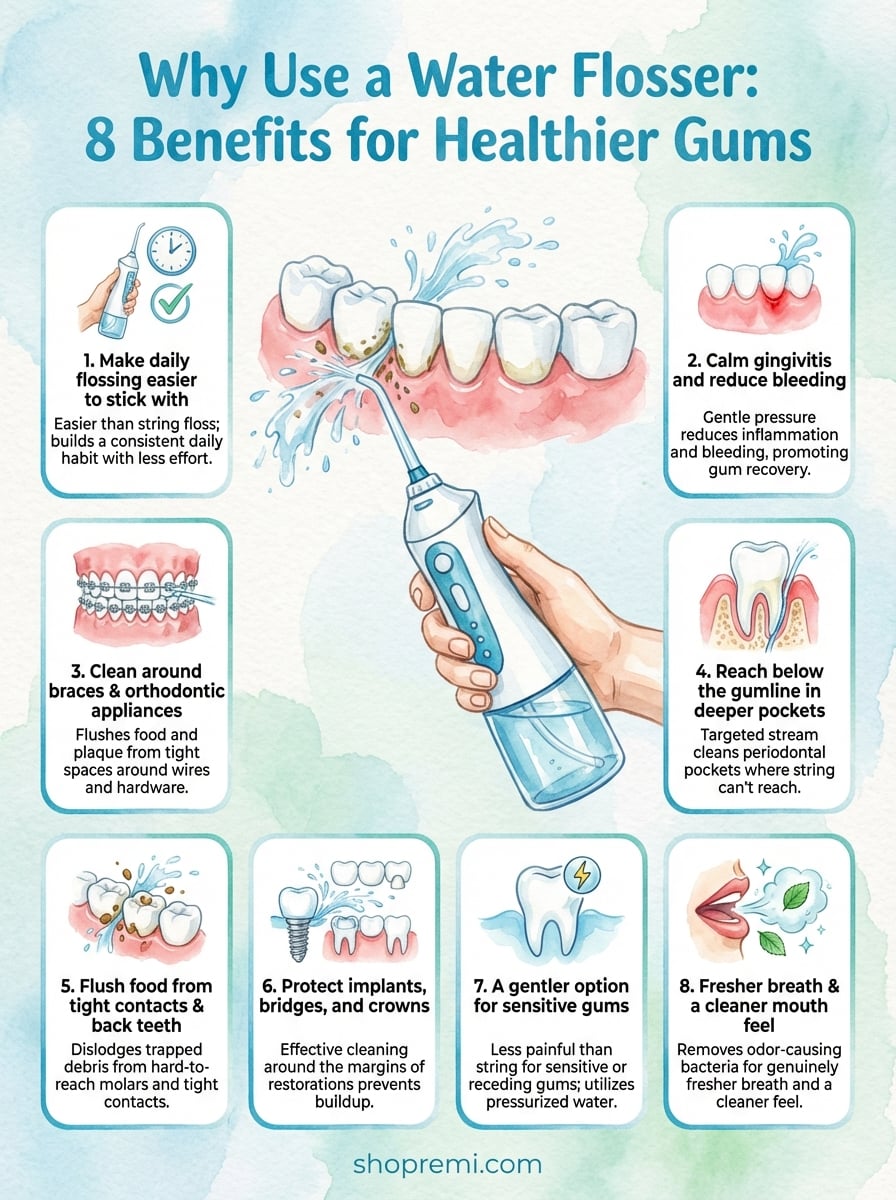
The safest approach follows the two-step method that most dental professionals recommend. Use your water flosser with plain water first, then follow with a separate salt water rinse. This gives you the benefits of both without risking your device’s longevity.
If you choose to experiment with salt water in the reservoir, use a very dilute solution, clean the reservoir immediately after each use, and monitor for early signs of trouble. Discontinue at the first sign of reduced performance.
Your water flosser is a powerful tool for preventing gum disease and maintaining oral wellness. Treat it well by following manufacturer recommendations, and it will serve you and your smile for years to come.