Using a water flosser can transform your oral hygiene routine, especially if you have braces, implants, or trouble with traditional floss. But like any tool, it comes with potential side effects when used improperly or misunderstood. While water flossers are safe for daily use and clinically proven to reduce plaque and gingivitis, some users experience gum bleeding, swelling, discomfort, or even injury due to incorrect technique. The key is not avoiding the device but using it right.
Most side effects are not caused by the water flosser itself but by pre-existing gum disease, excessive pressure, poor maintenance, or the false assumption that it replaces string floss. This guide breaks down the real risks, separates myths from facts, and gives you actionable steps to avoid complications.
Gum Bleeding: Common but Usually Temporary
Gum bleeding is the most frequently reported side effect of water flosser use, especially during the first week. However, this is rarely due to the device damaging tissue. Instead, it typically signals pre-existing gingivitis or plaque buildup that is now being cleaned.
Why Gums Bleed with Water Flossing
When you start using a water flosser, the pulsating stream reaches deep between teeth and under the gumline, areas often missed with brushing or string floss. If those areas are inflamed, increased blood flow and mechanical stimulation can cause temporary bleeding. This response is similar to what happens when someone starts flossing after years of neglect. It is not the floss causing harm. It is the body reacting to long-ignored inflammation.
How Long Bleeding Lasts
For most users, bleeding resolves within 7 to 14 days of consistent, proper use. As plaque is removed and gum health improves, tissues become firmer and less prone to bleeding.
When to worry:
Bleeding that persists beyond two weeks despite correct use warrants a dental visit. It may indicate undiagnosed periodontal disease requiring professional treatment such as scaling and root planing.
Pro Tip: Track your bleeding pattern. Note which areas bleed consistently. This helps your hygienist identify problem zones during cleanings.
Swollen or Tender Gums After Use
Some users report gums feeling puffy, swollen, or tingly after using a water flosser. Like bleeding, this sensation is usually temporary and linked to existing inflammation, not tissue damage.
Is Swelling Normal
The pulsating action increases circulation in the gums, which can make already-sensitive tissues feel more reactive. Over time, as inflammation decreases, these sensations should fade. One user shared that their gums looked swollen at first, almost like they were waking up. After a week, they felt tighter and healthier.
When Swelling Is Not Normal
Persistent or worsening swelling could point to:
Excessive pressure setting
Incorrect nozzle angle
Underlying infection or abscess
If swelling increases, spreads, or is accompanied by pain, stop using the device and see your dentist. These symptoms may require medical evaluation.
Action Step: Always start at the lowest pressure setting and gradually increase only as tolerated.
Gum Trauma: Avoidable With Proper Use
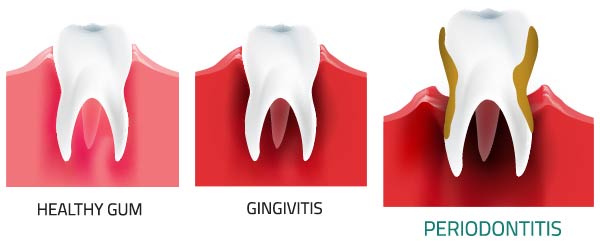
Water flossers can cause damage, but only with misuse. When used correctly, they do not cause structural damage to healthy gum tissue. However, aggressive use can lead to bruising, lacerations, or microtears, especially in sensitive areas.
Common Causes of Trauma
Using maximum pressure on inflamed or thin gums
Accidentally aiming the stream at delicate tissues like the frenulum
Holding the tip too close or pressing into the gums
One user with dental implants reported that high-pressure use literally ripped their gums open on multiple occasions.
Who Is at Higher Risk
Individuals with receding gums, thin gingival biotype, recent surgical sites like implants or extractions, or orthodontic appliances should use extra caution and stick to low pressure until cleared by a dentist.
Safety Rule: Treat your gums like delicate skin. Use gentle pulses, not power-washing.
Sensitivity and Discomfort During Use
Even at low settings, some users experience discomfort due to cold water temperature, dentin hypersensitivity, or exposed root surfaces from gum recession.
Why Teeth or Gums Feel Sore
Cold water can trigger sharp pain in sensitive teeth. The pulsing stream may also irritate inflamed gum pockets.
How to Reduce Discomfort
Use warm or lukewarm water. This soothes tissues and reduces thermal shock.
Start on the softest setting. Most devices offer adjustable pressure. Begin at 30 to 40 PSI and build tolerance.
Aim correctly. Hold the tip at a 90-degree angle to the gumline, not pointed directly into the gums.
Take your time. Pause 1 to 2 seconds between teeth to allow thorough cleaning without rushing.
Some people need a few days to adjust. It is like breaking in new shoes. Initial discomfort fades with proper use.
Inadequate Plaque Removal: A Critical Limitation
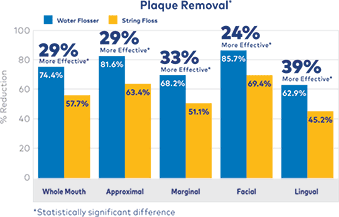
Here is the hard truth. Water flossers cannot remove plaque the way string floss does.
Water Flosser vs. String Floss: The Key Difference
String floss physically scrapes biofilm off tooth surfaces, breaking the bacterial chain at tight contact points. Water flossers flush out debris and bacteria but do not mechanically disrupt plaque. This means relying solely on a water flosser leaves you vulnerable to interproximal cavities and plaque buildup between teeth.
If you only use a water flosser and skip string floss, you can still get cavities. You need to break the contact between your teeth.
Best Practice: Combine Both Methods
For optimal results:
Floss first with string floss or floss threaders
Brush with fluoride toothpaste
Water floss to rinse away residual debris and irrigate gum pockets
This sequence ensures both plaque disruption and deep cleaning.
Cross-Contamination Risk When Sharing
Even if each person uses a different tip, sharing the main unit increases infection risk. Oral pathogens like Porphyromonas gingivalis and herpes simplex virus can linger in internal tubing and the reservoir. One study found microbial growth in unused reservoirs after just 48 hours of standing water.
How to Stay Safe
Never share the base unit unless each user has a dedicated tip and personal device.
Clean the reservoir weekly with warm, soapy water or a 1-to-1 vinegar-water solution.
Rinse thoroughly after each use and air-dry completely.
Replace tips every 3 to 6 months, or sooner if worn or discolored.
User Error: The Root of Most Problems
Poor technique reduces effectiveness and increases side effects. Avoiding these errors leads to better outcomes.
Common Technique Mistakes
Incorrect Tip Angle: Holding the nozzle at a steep angle or pressing into the gums causes splashing and trauma. Fix: Keep the tip at a 90-degree angle to the gumline, letting water flow along the edge.
Moving Too Fast: Rushing through teeth means missing spots. You need 1 to 2 seconds per gap. Fix: Move slowly, pausing between each tooth.
Incomplete Coverage: Back molars and the backs of front teeth are often missed, especially with portable models. Fix: Tilt your head slightly, use a mirror, and follow a consistent pattern.
Mouth Too Open: Leaving your mouth wide open leads to mess and reduced control. Fix: Keep lips slightly closed, allowing water to flow out naturally through the corners.
Wrong Water Temperature: Cold or hot water increases sensitivity. Fix: Use lukewarm water for comfort and effectiveness.
Device Neglect: Breeding Ground for Bacteria
Failing to clean your water flosser can lead to mold, mildew, and bacterial growth inside the reservoir and tubing. Stagnant water, especially with mouthwash additives, creates an ideal environment for biofilm formation. One user discovered black specks in their reservoir, later confirmed as mold.
Maintenance Checklist
After every use: Empty and rinse the reservoir
Daily: Rinse with clean water
Weekly: Deep clean with warm, soapy water or vinegar solution
Monthly: Inspect tubing for cloudiness or residue
Every 3 to 6 months: Replace tips
Neglecting maintenance undermines the very goal of oral hygiene. You could be re-infecting your mouth.
False Sense of Security: A Psychological Side Effect
Many users believe water flossing replaces brushing and string floss. This misconception leads to neglected plaque removal and increased cavity risk. Water flossers are only an adjunct to brushing and flossing. They are excellent for flushing debris and improving gum health, but not a standalone solution.
Remember:
Water flossers reduce gingivitis
They clean around braces and implants effectively
They do not remove plaque between teeth like string floss
Use them as part of a full routine, not a shortcut.
Debunking Common Myths
Can Water Flossers Damage Enamel
No. Consumer models operate at 50 to 90 PSI, far below the level needed to erode enamel. The water stream is non-abrasive and does not contact the tooth surface directly. No clinical studies report enamel damage from proper use.
Can They Dislodge Fillings or Crowns
No. Properly placed restorations are secure. Water flossers are actually recommended for cleaning around crowns, bridges, and implants. If a filling or crown feels loose after use, it was likely already failing. The irrigation just made it noticeable.
Do They Spread Bacteria
No. The continuous flow of fresh water flushes bacteria out, reducing oral microbial load. Studies show water flossers reduce Streptococcus mutans, a key cavity-causing bacterium.
Who Should Be Extra Cautious
Sensitive Gums or Periodontal Disease
Use lowest pressure setting
Fill reservoir with warm water
Monitor for persistent bleeding or pain
Combine with professional cleanings
Orthodontic Patients
Water flossers are highly beneficial for cleaning around brackets and wires. They help prevent white spot lesions, gingivitis, and bad breath. Most orthodontists recommend them.
Elderly or Arthritic Users
Water flossers are ideal for those with limited hand mobility. They are easier to use than string floss and promote independence in oral care.
Dental Implants and Bridges
Water flossers are safe and effective for cleaning around non-removable restorations. They help prevent peri-implantitis by irrigating hard-to-reach areas. Avoid direct jetting on surgical sites within the first 6 to 8 weeks post-op.
ADA Guidelines and Best Practices
The Waterpik brand was the first to earn the ADA Seal of Acceptance, confirming effective plaque removal, reduction in gingivitis, and safety for daily use. Check the ADA website for a full list of accepted models.
Recommended Routine
Frequency: Once daily, preferably at night
Duration: About 2 minutes
Sequence: Floss, brush, then water floss
Pressure: Start low, increase gradually
Frequently Asked Questions About Side Effects of Water Flosser
Is It Normal for Gums to Bleed When Using a Water Flosser
Yes, especially during the first week or two of use. Bleeding typically indicates pre-existing gum inflammation being cleaned, not device damage. It should improve within 7 to 14 days with consistent, proper use.
Can Water Flossers Damage Gums or Cause Recession
When used correctly at appropriate pressure, water flossers do not damage healthy gum tissue. However, excessive pressure or aggressive use can cause bruising, lacerations, or microtears, particularly in individuals with thin gums or receding tissue.
Why Do My Gums Feel Sore After Using a Water Flosser
Sore gums may result from cold water temperature, starting at too high a pressure setting, or stimulating already-inflamed tissue. Try warm water, begin at the lowest setting, and ensure you are aiming the stream at the gumline rather than directly into the gums.
Can I Use a Water Flosser Instead of String Floss
No. Water flossers flush out debris and bacteria but do not mechanically scrape plaque from tooth surfaces like string floss does. For optimal oral health, use both methods together. Floss first, then brush, then water floss.
How Often Should I Replace My Water Flosser Tips
Replace tips every 3 to 6 months, or sooner if they become worn, discolored, or damaged. Using frayed tips reduces cleaning effectiveness and may cause gum irritation.
Can Sharing a Water Flosser Cause Infection
Yes. Even with separate tips, sharing the main unit can spread oral pathogens through internal tubing and the reservoir. Each person should have their own device, or the base unit should not be shared between users.
Key Takeaways for Safe Water Flosser Use
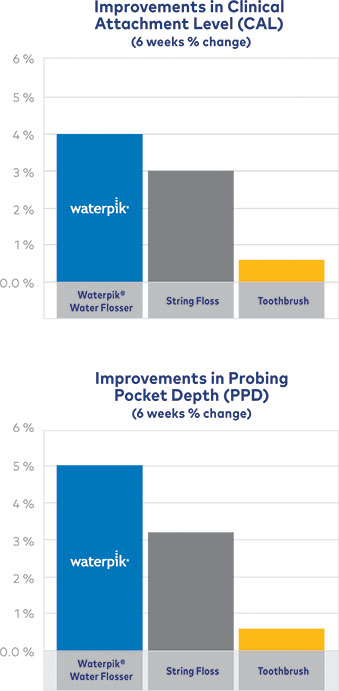
Water flossers are safe, effective, and valuable when used correctly. Most side effects stem from misuse, misunderstanding, or pre-existing conditions, not the device itself.
Bleeding is likely due to gum disease, not the flosser. It should improve within 1 to 2 weeks.
Sore gums respond well to warm water and lower pressure settings.
Plaque removal requires string floss. Add it to your routine before water flossing.
Never share the base unit. Use individual tips and clean reservoirs regularly.
Device maintenance matters. Empty and dry the reservoir after each use to prevent bacterial growth.
When to see a dentist: Seek professional help if you have persistent bleeding beyond 14 days, increasing pain or swelling, loose teeth, visible tissue damage, or concerns about dental work. These may signal deeper issues needing treatment.
Start low, go slow, and stay consistent. With proper use, a water flosser can significantly improve your gum health with minimal risk. Combine it with brushing and string floss, maintain the device, and consult your dentist for personalized advice.