If you’re a regular user of smokeless tobacco, snus, or nicotine pouches like ZYN, quitting—even temporarily—after a tooth extraction can feel daunting. But here’s the hard truth: using snus after tooth extraction significantly increases your risk of developing dry socket, a painful and preventable complication. While snus doesn’t involve smoking or combustion, it still delivers nicotine, the primary chemical that disrupts oral healing. After an extraction—especially wisdom teeth removal—your body relies on a stable blood clot to protect exposed bone and nerves. Nicotine interferes with this process, putting you at serious risk.
Dry socket, or alveolar osteitis, affects 2–5% of all extraction patients, but that number jumps to up to 12% among nicotine users. Symptoms—like severe jaw pain, bad breath, and visible bone in the socket—often appear 2–4 days after surgery, turning what should be a routine recovery into an agonizing experience. Even tobacco-free nicotine pouches like ZYN, Velo, or Rogue contain enough nicotine to impair healing. The pouch’s physical placement in the mouth can also create suction or irritation that dislodges the clot. “Tobacco-free” doesn’t mean “surgery-safe.” This guide breaks down the science, timelines, and safer alternatives so you can protect your recovery without losing control of your cravings.
How Nicotine Causes Dry Socket

Blood Flow Restriction in Healing Gums
Nicotine is a powerful vasoconstrictor, meaning it narrows blood vessels throughout your body—including in your gums. After tooth extraction, your body needs strong, consistent blood flow to deliver oxygen, platelets, and immune cells to the wound. This blood supply is essential for forming and stabilizing the blood clot that protects the socket. When nicotine reduces circulation, that clot becomes weak or fails to form at all. Without this barrier, bone and nerve endings are exposed to air, food, and bacteria, leading to intense pain and infection risk. Even low-dose snus can impair microcirculation long enough to sabotage healing in the first 72 hours.
Clot Disruption From Suction and Placement
Using snus or nicotine pouches involves placing a small pouch between your gum and lip, often using your tongue or lips to adjust it. This creates subtle suction and movement in the mouth—enough to dislodge a fragile blood clot, especially after lower wisdom tooth removal. While it may seem passive compared to smoking, the act of inserting, adjusting, or removing a pouch can create pressure changes that destabilize the socket. Spitting afterward increases the risk further by creating negative pressure in the mouth. Unlike smoking, snus doesn’t involve deep inhalation, but its localized mechanical stress near the surgical site makes it just as dangerous during early recovery.
Impaired Immune Response and Healing
Nicotine doesn’t just affect blood flow—it also suppresses immune function in oral tissues. This means your body is less able to fight off bacteria that could enter the socket from unclean hands, contaminated pouches, or food particles. The fillers, flavorings, and salts in snus and nicotine pouches—though generally food-grade—can irritate healing tissue, especially if placed too close to the wound. Ingredients like glycyrrhizin (found in licorice-flavored pouches) may raise blood pressure and increase gum sensitivity, further complicating recovery. Even mild inflammation can delay healing and create a gateway for infection.
Safe Timeline to Resume Snus or Nicotine Pouches

0–48 Hours: Avoid Completely
The first 48 hours after extraction are the most critical. This is when the blood clot forms and stabilizes. Do not use any nicotine product, including snus, ZYN, or nicotine gum, during this window. Even a single pouch can disrupt clot formation. Focus on rest, hydration, and following your dentist’s post-op instructions. Cravings may peak during this time, but giving in could cost you days—or weeks—of painful recovery.
48–72 Hours: High Risk, Still Best to Wait
By day two or three, you may feel better, but the clot is still fragile. Most oral surgeons strongly advise against using snus or any nicotine product during this period. If you must manage cravings, opt for non-oral alternatives like patches or lozenges (used carefully). Avoid any activity that involves spitting, sucking, or tongue movement near the extraction site.
72–120 Hours (3–5 Days): Cautious Use Possible
At this stage, signs of healing—like reduced swelling, no bleeding, and pink granulation tissue forming in the socket—may appear. Some dentists allow very limited, cautious use of nicotine pouches, but only if:
– The extraction was simple
– You’re pain-free
– The pouch is placed far from the surgical site
Never place snus on the same side as the extraction. Use low-dose (3–4mg) pouches for no more than 20 minutes.
5–7 Days: Generally Safe With Precautions
By day five to seven, most simple extractions are well on their way to healing. If you’ve had no complications, limited use of snus may be acceptable—but only with your dentist’s approval. Start with low-strength, mini-sized pouches and place them in the front of the mouth, away from the extraction site. Avoid aggressive flavors and never spit after removal.
7+ Days: Minimal Risk for Most Patients
After one week, especially following routine extractions, the risk drops significantly. However, for impacted wisdom teeth or surgical extractions involving bone removal, wait 10–14 days before resuming snus. Always consult your oral surgeon before restarting nicotine use.
Safer Nicotine Alternatives During Recovery

Use Nicotine Patches Instead
Nicotine patches are the safest option during early recovery. They deliver a steady dose through the skin—no oral contact, no suction, no irritation. Available in 7mg, 14mg, and 21mg doses, they help manage cravings without endangering the clot. Apply once daily and avoid combining with oral products until fully healed.
Try Nicotine Lozenges (With Caution)
Nicotine lozenges dissolve in the mouth but can be used on the opposite side of the extraction. Choose 2mg lozenges and let them dissolve slowly. Do not chew or swallow. Avoid using them in the first 48 hours.
Consider Nasal Spray (Prescription Required)
Nicotine nasal spray is ideal for heavy users needing fast relief. It’s completely oral-free and requires a prescription. While it may cause mild nasal irritation, it’s one of the most effective ways to avoid oral stress during recovery.
Avoid Suction and Spitting
If you resume snus after clearance:
– Insert gently—no sucking or pulling
– Place in the front of the mouth, away from the wound
– Avoid moving it with your tongue
– Remove slowly—do not spit
– Wait 30 minutes after eating or drinking
Best Nicotine Pouches After Healing
Start With Low-Strength Options
Once cleared, begin with mild pouches:
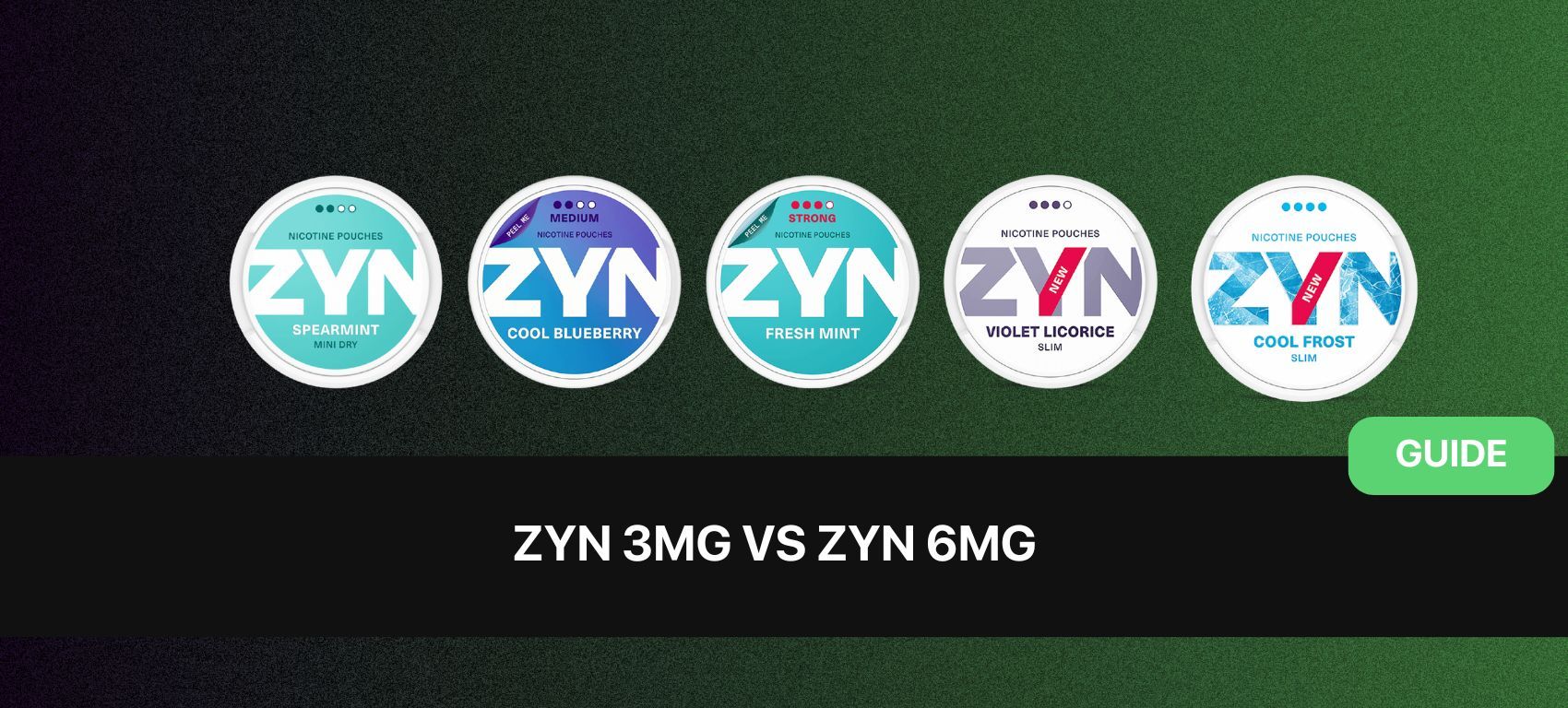
| Product | Nicotine | Why It’s Safer |
|---|---|---|
| ZYN 3mg Mini Dry | 3mg | Gentle release, small size |
| ZYN 4mg Extra Small | 4mg | Smooth texture, less pressure |
| White Fox Slim 4mg | 4mg | Soft material, low drip |
Choose Soothing Flavors
- ✅ Mint or cooling flavors: Provide mild numbing effect
- ❌ Citrus or fruit blends: May contain citric acid that burns wounds
- ❌ Spiced or “hot” blends: Increase inflammation
- ⚠️ Glycyrrhizin-containing pouches: May irritate gums and raise blood pressure
ZYN Citrus is milder than others but still best avoided until fully healed.
Pick Gentle Pouch Designs
- Mini or slim pouches: Less pressure on gums
- Soft textile materials: Less abrasive
- Dry or low-drip formulas: Reduce saliva and movement
Avoid large, coarse, or long-lasting pouches.
Dry Socket Warning Signs
Watch for These Symptoms
- Severe, throbbing pain 2–4 days post-op
- Pain spreading to ear, jaw, or temple
- Visible bone in the socket
- Foul taste or odor
- No improvement in swelling
If you suspect dry socket, stop nicotine use and contact your dentist immediately.
What Increases Your Risk?
- Poor oral hygiene
- History of dry socket
- Hormonal birth control
- Complex extractions
- Using snus or nicotine pouches
Nicotine multiplies these risks.
Medication and Nicotine Interactions
Painkillers and Nicotine
- NSAIDs (ibuprofen): Nicotine increases stomach acid, raising risk of ulcers
- Opioids (codeine): Nicotine may reduce effectiveness or increase dizziness
Always consult your doctor.
Antibiotics and Healing
Nicotine doesn’t block antibiotics, but it weakens immune response, making infections harder to fight. Avoid snus during antibiotic treatment.
Pre-Existing Habits and Recovery
Snus Users: Plan Ahead
Consider extraction as a chance to reduce or quit. Talk to your dentist about nicotine replacement therapy (NRT) before surgery. Starting patches early can ease withdrawal and improve healing.
Manage Cravings Safely
- Use non-tobacco oral substitutes (herbal toothpicks)
- Suck on cold fruit chips or sugar-free candy (on non-surgical side)
- Stay hydrated with cool, non-carbonated drinks
- Distract yourself: walk, listen to music, text a friend
Final Recommendations
Wait at Least 5–7 Days
Avoid snus for 5–7 days after extraction. For complex cases, wait 10–14 days. Healing comes first.
Get Dentist Approval Before Resuming
Never assume you’re healed. Consult your oral surgeon before using any nicotine product.
Choose Safer Alternatives
Switch to patches, lozenges, or nasal spray during recovery.
Start Low, Go Slow
When you restart, use 3–6mg pouches, place them away from the wound, and limit use to under 20 minutes.
Your recovery doesn’t have to be derailed by nicotine. While snus may seem safer than smoking, it still poses a serious threat—especially dry socket. By respecting the healing timeline and choosing smarter alternatives, you can protect your oral health and return to normal faster. When in doubt, ask your dentist.