You’ve just finished brushing and are reaching for your water flosser. Should you fill it with mouthwash instead of water? Many people wonder if using mouthwash in a water flosser can boost oral hygiene by combining cleaning and antimicrobial action in one step. The short answer is yes, but with important limits.
Water flossers are designed primarily for use with warm tap water, which effectively removes plaque, food debris, and bacteria from between teeth and below the gumline. However, some users choose to add mouthwash for enhanced freshness or therapeutic benefits. This guide covers exactly which mouthwashes are safe, how to use them without harming your device, and when it’s better to avoid them altogether.
Can You Mix Mouthwash and Water in a Flosser?
Yes, you can, but only under specific conditions. Most brands, including Waterpik, allow mouthwash use only when diluted 1:1 with water. That means half reservoir water, half mouthwash. Never use undiluted mouthwash because it increases the risk of gum irritation, damage to internal seals and tubing, and clogging from dyes or thickening agents.
Follow Manufacturer Dilution Rules
When choosing to use mouthwash in your water flosser, follow these essential guidelines:
Use a maximum ratio of one part mouthwash to one part warm water. For sensitive users, try diluting even more, such as one part mouthwash to three or eight parts water. After each use, run plain warm water through the device for ten to fifteen seconds to flush out residue and preserve performance. Always consult your user manual before adding anything beyond water, as different models have different tolerances.
Check Your Device Type
Not all water flossers tolerate additives equally. Corded models like the Waterpik Classic are more resilient and suitable for occasional diluted mouthwash use. Cordless models are highly sensitive to alcohol, salt, and peroxide, so you should avoid additives unless explicitly approved by the manufacturer. Check your specific model guidelines before experimenting with any mouthwash in the reservoir.
Best Mouthwashes for Water Flossers
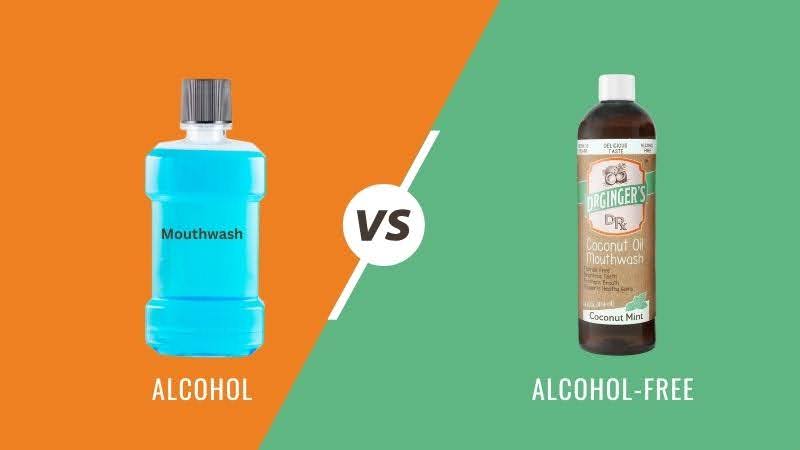
Using the right mouthwash matters significantly for both your oral health and device longevity. The safest options share common characteristics: alcohol-free, non-staining, and non-abrasive formulas.
Use Alcohol-Free, Non-Staining Rinses
Choose products that are gentle on both your gums and your device. The following mouthwashes have been identified as compatible with water flossers when used properly.
CloSYS Healthy Gums Rinse (CPC-Based)
This product uses cetylpyridinium chloride (CPC) as its active ingredient. It effectively reduces plaque, gingivitis, and bad breath without causing burning or staining. The formula is alcohol-free, dye-free, and non-abrasive, making it ideal for sensitive gums, dry mouth, and elderly users. You can dilute it up to 1:1 with warm water, and it’s frequently recommended by hygienists for long-term use because it doesn’t degrade equipment.
Listerine Antiseptic (Diluted Only)
Listerine is permitted at a 1:1 ratio and offers benefits in reducing plaque and gingivitis. However, the alcohol content may dry out rubber seals over time and can cause burning in sensitive users. The best practice is to flush the device thoroughly after each use. Avoid daily or prolonged use due to potential microbiome disruption.
Chlorhexidine (Peridex/Periogard)
This prescription-only mouthwash is designed to treat active gum disease and post-surgery care. It’s most effective when delivered with a Pik Pocket tip for subgingival irrigation into deep periodontal pockets. The limitations include use only for two to four weeks, potential tooth staining, altered taste, and the fact that it must be used separately from fluoride toothpaste. Only use chlorhexidine in a water flosser under dental supervision.
3% Hydrogen Peroxide
Waterpik permits hydrogen peroxide when diluted, commonly at ratios of eight parts water to one part peroxide or two parts water to one part peroxide. Use it only for short-term antibacterial boost or whitening purposes. Warnings include rapid breakdown in air which limits efficacy, corrosive potential to internal components, and possible irritation to soft tissues. Dentists generally advise against routine use.
Mouthwashes to Avoid in Water Flossers
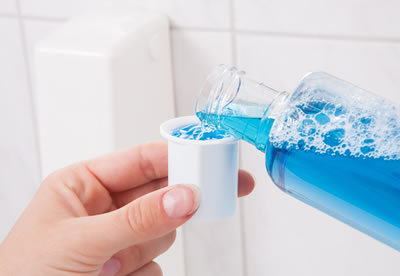
Some common household or DIY rinses can damage your device or harm your mouth. Never use these additives in your water flosser.
The following substances pose significant risks. Salt water corrodes metal parts and is especially dangerous in cordless units. Baking soda is abrasive and causes clogging and wear. Undiluted essential oils damage plastic and rubber seals. Iodine solutions stain and degrade internal tubing. Sugared or acidic mouthwashes promote decay and harm materials. Homemade mixtures have unpredictable chemistry and void warranties. Even natural remedies like tea tree oil or apple cider vinegar should be avoided unless approved by the manufacturer.
Benefits of Adding Mouthwash to Water Flossing
When used correctly under appropriate circumstances, adding mouthwash to your water flossing routine can offer several advantages.
Enhanced Bacterial Control
The pulsating stream delivers antimicrobials deeper than rinsing alone. This targeted delivery is especially helpful for deep periodontal pockets, areas around dental implants, and spaces under braces and bridges. Patients with gingivitis, periodontitis, or peri-implantitis may experience improved outcomes.
Better Breath Longevity
Unlike a thirty-second rinse, water flossing circulates the solution for up to a minute, flushing out odor-causing anaerobic bacteria more thoroughly. CPC and essential oils help suppress volatile sulfur compounds that cause halitosis, providing longer-lasting fresh breath.
Increased User Compliance
Combining two steps into one saves time. This simplification is especially beneficial for elderly individuals, stroke survivors, and people with arthritis or limited dexterity. Users often report a fresher, cleaner feeling, which encourages consistent daily use.
Support for Orthodontic Patients
Braces and aligners trap food and plaque in ways that make removal difficult. Using diluted antimicrobial rinse in a water flosser helps prevent white spot lesions, gum inflammation, and bad breath during orthodontic treatment.
Risks of Using Mouthwash in a Water Flosser
Despite potential benefits, the risks often outweigh the advantages for most users. Understanding these risks helps you make an informed decision.
Device Damage Over Time
Repeated use of harsh chemicals leads to cracked seals, leaking reservoirs, clogged nozzles, and reduced pressure. Alcohol and dyes are particularly damaging. Once internal parts degrade, performance drops, and replacement costs add up quickly.
Gum Irritation and Bleeding
Extended exposure to alcohol, essential oils, or chlorhexidine can cause burning sensation, gum flaring, and new-onset bleeding. One user reported increased bleeding after using Paradontax at a 1:1 ratio despite maintaining good oral hygiene.
Reduced Cleaning Efficiency
Some mouthwashes foam or alter water stream coherence, weakening the pulsation needed for effective plaque removal. There’s no clinical proof that adding mouthwash improves plaque removal over water alone for healthy users.
Swallowing Risk (Especially in Children)
Kids may accidentally swallow solution during flossing. Alcohol-containing rinses can cause nausea, dizziness, and in extreme cases, intoxication. Water flossers with mouthwash are not recommended for children under twelve.
Expert Recommendations: What Dentists Say
Dental professionals generally agree that routine use isn’t necessary for most patients.
Dr. Sasha Ross from Cleveland Clinic recommends sticking to warm water for daily use, especially if you have sensitive gums. If you do use mouthwash, dilute it and always flush the device afterward. She specifically warns against hydrogen peroxide due to long-term damage risks.
Dr. Matthew Messina from Ohio State University College of Dentistry states that for most people, adding mouthwash to a water flosser is unnecessary. He emphasizes that only patients with active gum disease or high decay risk may benefit, and even then, only under professional guidance.
Many hygienists advise patients to water floss first, then rinse with mouthwash. This sequential approach is safer and just as effective as combining the two steps. Many report increased irritation when patients switch to in-flosser rinses.
Best Practice: Sequential Oral Care Routine
For optimal results and device safety, follow this expert-backed sequence.
First, brush with fluoride toothpaste to remove surface plaque and prepare teeth for interdental cleaning. Second, water floss with plain warm water to clear debris between teeth and below gums. This step is safe for daily use on all devices. Third, use mouthwash as a thirty-second rinse to deliver active ingredients while minimizing contact time with soft tissues and eliminating risk to your device.
This method maximizes both mechanical cleaning and chemical protection while protecting your equipment.
When You Might Benefit from Mouthwash in Flosser
Certain oral health conditions may warrant using mouthwash in your water flosser under professional guidance.
If you have active gum disease, your dentist may prescribe chlorhexidine and recommend using it in a Classic Professional Water Flosser with a Pik Pocket tip. This allows deep delivery into pockets up to six millimeters. After dental extractions or implant placement, antimicrobial irrigation helps prevent infection and supports healing. Use as directed, typically short-term only.
Braces make plaque removal difficult. A diluted CPC-based rinse like CloSYS used occasionally can help maintain gum health without damaging brackets. Alcohol-free rinses like CloSYS are well-tolerated and help reduce decay risk in patients with dry mouth. For individuals with arthritis, Parkinson’s, or stroke survivors, if mouthwash improves compliance, use it sparingly and diluted.
How to Use Mouthwash Safely in a Water Flosser
If you decide to use mouthwash, follow these safety guidelines to protect both your device and oral health.
Dilute properly using a maximum ratio of one part mouthwash to one part water. For sensitive users, try one to three or one to eight dilutions, especially with peroxide or Listerine. Choose the right product, with CloSYS being the best choice as it’s alcohol-free, non-staining, and gentle. Acceptable options include diluted Listerine or prescribed chlorhexidine. Avoid colored, sugared, or abrasive rinses.
Flush after every use by running plain warm water through the device for ten to fifteen seconds to remove residue, prevent clogs, and protect seals. Clean weekly by removing and washing the reservoir and tips with mild soap. Descale monthly with a vinegar-water solution at one to two ratio to remove mineral buildup. Replace tips every three to six months.
Monitor for problems and stop immediately if you notice gum bleeding or pain, reduced water pressure, or discoloration or leaks.
Water vs. Mouthwash: Which Is Better?
Plain water excels in plaque removal with clinical proof, offers excellent device safety, and is safe for all oral tissues. It’s free and requires no preparation. Diluted mouthwash provides slight improvement in gingivitis reduction with CPC or chlorhexidine but carries risk of device degradation and gum irritation. It adds extra expense and requires mixing.
Bottom line: water wins for daily use. Mouthwash adds sensory benefits but minimal clinical advantage for most users.
Final Verdict: Should You Use Mouthwash?
Do use mouthwash in your flosser if you have active gum disease under dental care, are using prescribed chlorhexidine, need deep pocket irrigation with a Pik Pocket tip, prefer CloSYS or alcohol-free CPC rinse for sensitivity, or use it short-term or occasionally.
Avoid using mouthwash if you have sensitive gums or dry mouth, use a cordless flosser, are giving it to children, are experiencing bleeding or irritation, or want long-term daily use.
Key Takeaways for Using Mouthwash in Water Flossers
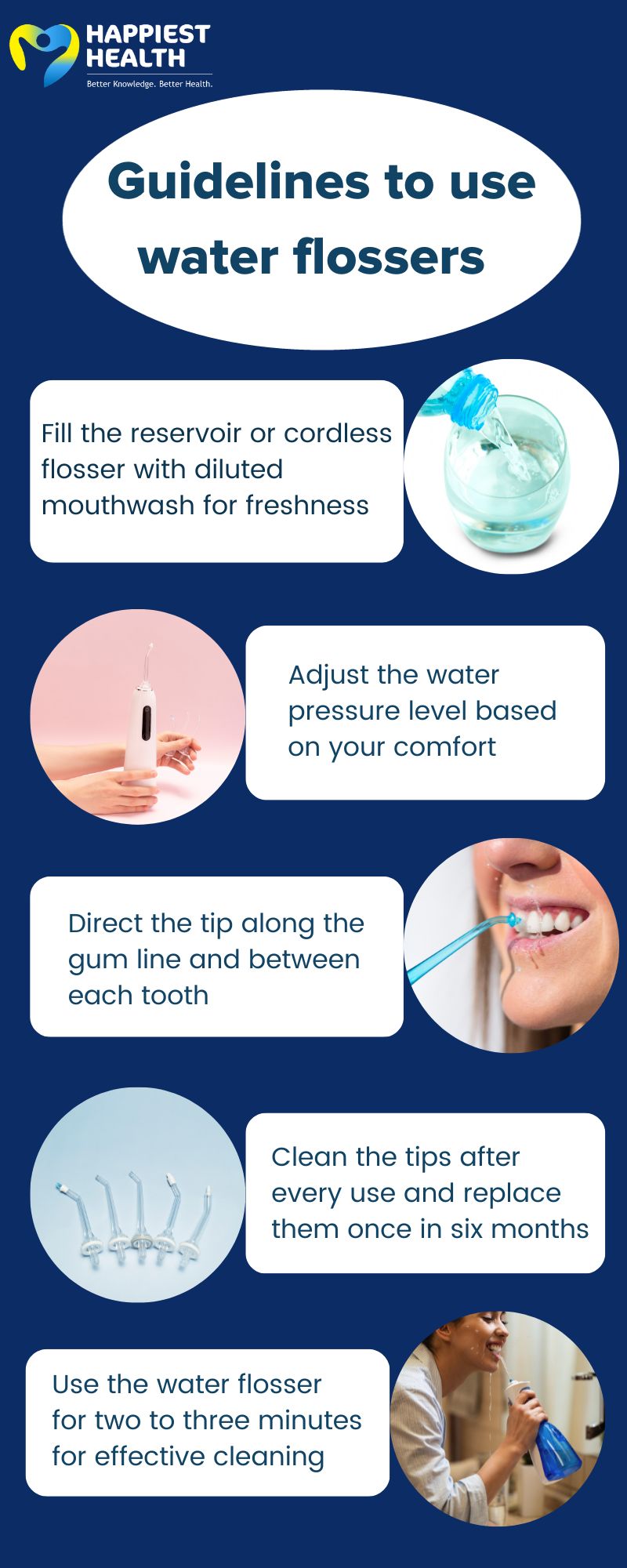
Using mouthwash in a water flosser is technically possible but comes with important limitations. For the average person, the risks to your device and gums outweigh the benefits, which are mostly sensory rather than clinical.
Instead, stick to plain warm water for daily flossing and use mouthwash afterward as a separate rinse. This keeps your device running smoothly and your mouth healthy. If you have gum disease, braces, implants, or difficulty with manual dexterity, talk to your dentist about whether adding a diluted, alcohol-free antimicrobial like CloSYS could help. Never use chlorhexidine or peroxide without professional guidance.
More isn’t always better when it comes to oral care. The goal is effective, sustainable hygiene, not shortcuts that compromise your health or equipment. By following expert-backed practices, you’ll get the best results from your water flosser safely and efficiently.
Frequently Asked Questions About Using Mouthwash in Water Flossers
Can I use Listerine in my Waterpik water flosser?
Yes, you can use Listerine in a Waterpik, but only when diluted at a 1:1 ratio with warm water. Never use it undiluted. After each use, flush the device with plain water for ten to fifteen seconds to prevent damage to seals and tubing. Be aware that the alcohol content may cause burning if you have sensitive gums.
Does mouthwash damage water flossers?
Yes, repeated use of mouthwash can damage water flossers over time. Alcohol dries out rubber seals, dyes can stain internal tubing, and viscous formulas may clog nozzles. The risk is higher with cordless models. For daily use, stick to plain water to extend your device’s lifespan.
What happens if I use hydrogen peroxide in my water flosser?
Waterpik permits 3% hydrogen peroxide when diluted, typically at eight parts water to one part peroxide. However, dentists warn that it may corrode internal components and irritate gum tissue. Use it only for short-term purposes and flush thoroughly after each use. It’s not recommended for routine daily use.
Can I use chlorhexidine mouthwash in my water flosser?
Yes, but only under dental supervision. Chlorhexidine (found in Peridex and Periogard) is prescription-only and designed for treating active gum disease. Use it with a Pik Pocket tip for subgingival irrigation. Limit use to two to four weeks because it causes tooth staining and altered taste. Never use it long-term without professional guidance.
Is it better to water floss first or use mouthwash first?
Water floss first, then use mouthwash afterward. This sequential approach gives you the best of both worlds: mechanical cleaning from the water flosser and chemical protection from the mouthwash rinse. It also protects your device from residue buildup and keeps your mouth comfortable.
Can children use mouthwash in a water flosser?
No, children under twelve should not use mouthwash in a water flosser due to the risk of swallowing. Kids may accidentally ingest the solution, and alcohol-containing rinses can cause nausea or dizziness. For children, use only plain warm water in the water flosser and supervise all oral hygiene routines.