Water flossers have become a staple in many bathrooms, marketed as a superior alternative to string floss for gum health and plaque removal. However, these devices carry significant water flosser dangers that most users never consider. Clinical research reveals that within just six weeks of daily use, over 95% of water flossers become contaminated with harmful bacteria, including the decay-causing Streptococcus mutans and serious periodontal pathogens. Unlike string floss, which you discard after each use, water flossers develop internal biofilm that cannot be fully cleaned, creating a persistent source of reinfection every time you use the device.
This guide examines the documented dangers of water flossers, from bacterial contamination and cross-infection risks to gum trauma and device design flaws. You’ll learn which groups face the highest risks, how to use these devices more safely, and why water flossers should complement, not replace, your regular oral hygiene routine.
Bacterial Biofilm: The Hidden Contamination Problem
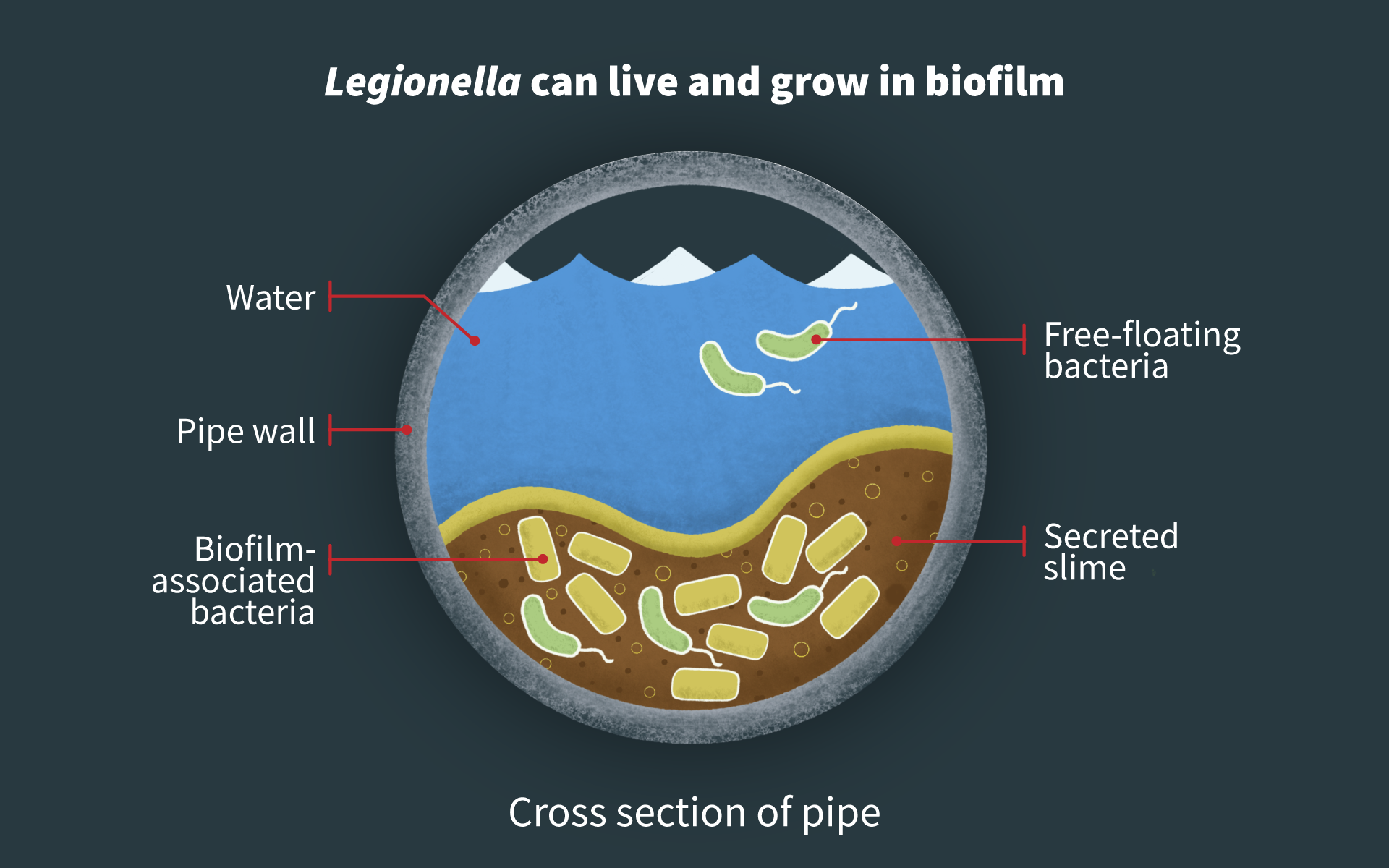
Water flossers create the perfect environment for microbial growth. The internal tubing stays moist between uses, and each use exposes the system to your oral microbiome, including disease-causing bacteria that then colonize the device permanently.
Universal Contamination Within Weeks
A 12-week clinical study of 24 water flosser users found that 100% of devices harbored oral pathogens by the end of the trial. Streptococcus mutans was detected in over 95% of units after just six weeks. Periodontal pathogens including Porphyromonas gingivalis and Tannerella forsythia appeared in 19-56% of tested devices. These bacteria cause gum disease and have been linked to systemic inflammation, heart disease, and pregnancy complications.
The study tested multiple cleaning approaches including essential oil rinses, chlorhexidine flushing, and bottled water use. None prevented bacterial colonization. Contamination is inevitable with normal daily use.
Dangerous Pathogens Found in Water Streams
The water exiting your flosser contains significant concentrations of harmful microbes in concentrations ranging from log10 3 to 6 CFU/mL. This is clinically significant enough to contribute to reinfection and disease progression. The pathogens detected include:
• Streptococcus mutans (95-100%): Primary bacteria causing tooth decay
• Porphyromonas gingivalis (up to 56%): Linked to severe gum disease
• Fusobacterium nucleatum (up to 50%): Associated with cancer and preterm birth
• Staphylococcus aureus: Can cause systemic infections
• Candida species (up to 25%): Fungal infections
Tap Water Adds Extra Risk
In regions with inconsistent water quality, using unfiltered tap water introduces additional pathogens from the start. Users in areas with poor sanitation should only fill reservoirs with filtered, distilled, or cooled-boiled water to reduce baseline contamination.
Why Nozzle Replacement Fails to Prevent Infection
Many households share a single water flosser unit while using separate nozzles, believing this prevents cross-contamination. Research shows this practice provides virtually no protection.
Internal Biofilm Survives Tip Changes
Testing compared bacterial loads in water samples from devices using original nozzles versus brand-new replacement tips from the same unit after 12 weeks. Results showed no significant difference in contamination levels. The biofilm has already colonized the reservoir, pump chamber, and internal tubing, which are inaccessible and non-removable.
Sharing Spreads Oral Pathogens
When one household member has active gum disease or cavities, pathogens like S. mutans and P. gingivalis enter the device and remain there. The next person using that unit receives those same pathogens through the water stream. This mirrors how dental bacteria spread from mother to child, a well-documented cause of early childhood cavities.
Clinical recommendation: One water flosser per person. Sharing should be avoided entirely, regardless of tip changes.
Why Cleaning Protocols Cannot Eliminate Microbes
Despite your best efforts, standard cleaning methods cannot fully decontaminate water flossers. The biofilm becomes embedded in internal components that users simply cannot reach or clean effectively.
Daily Routines Do Not Prevent Colonization
Researchers tested several cleaning strategies over the 12-week study period. Daily essential oil flushing, bottled water plus twice-weekly disinfectant rinses, and post-study intensive cleaning with 40 consecutive chlorhexidine flushes all failed to prevent initial biofilm formation. The only approach that reduced some pathogens significantly was intensive disinfection, but even then, Streptococcus mutans remained detectable.
S. mutans Resists Chemical Disinfection
The most troubling finding was that Streptococcus mutans survived 40 cycles of chlorhexidine or essential oil flushing. Once embedded in mature biofilm, this bacteria becomes highly resistant to chemical eradication. Regular vinegar descaling may reduce mineral buildup and some microbial load, but it cannot guarantee sterility.
Device Design Limits User Options
Most water flossers cannot be fully disassembled for cleaning. Internal seals, pumps, and tubing stay wet between uses, creating constant conditions for microbial growth. Users have no way to access or sterilize these critical components.
Gum Trauma From Improper Use
While water flossers are gentler than string floss when used correctly, misuse can cause significant soft tissue damage, particularly in users with sensitive or inflamed gums.
High Pressure Causes Injury
Excessive pressure is the leading cause of gum damage. The pulsating water stream can force bacteria deeper into gum pockets, cause lacerations, or worsen existing inflammation. Users with thin gingival tissue or active periodontitis are especially vulnerable. Starting on high settings immediately often leads to pain, bleeding, or long-term tissue recession.
Correct Angle Prevents Trauma
To avoid damaging your gums, hold the tip at a 90-degree angle to the gumline, not perpendicular to the tooth or directly into the sulcus. Move slowly from tooth to tooth, allowing the water to flush along the gum margin rather than forcing it beneath the tissue. This cleans effectively without injuring delicate periodontal tissue.
Bleeding Usually Indicates Existing Inflammation
If your gums bleed during initial water flosser use, this typically reflects pre-existing gingivitis, not device harm. Bleeding that resolves within one to two weeks indicates your gums are healing as inflammation decreases. Bleeding that persists beyond two weeks requires a dental evaluation to rule out periodontal disease or incorrect technique.
Thermal Injury From Hot Water
Using hot or boiling water in your water flosser poses real risks of thermal damage to sensitive oral tissues.
Burns Are a Documented Concern
Gums have limited heat resistance. Water above 50°C (122°F) can cause thermal irritation, tissue damage, and increased sensitivity. Some users report pain or redness after using hot water, mistaking the injury for device malfunction.
Lukewarm Water Is Essential
Always use warm or room-temperature water. This improves comfort, enhances blood flow to the gums, and reduces sensitivity, especially for those with receding gums or exposed root surfaces. Never use boiling water, and avoid hot tap water even if it seems tolerable.
The Danger of Overreliance
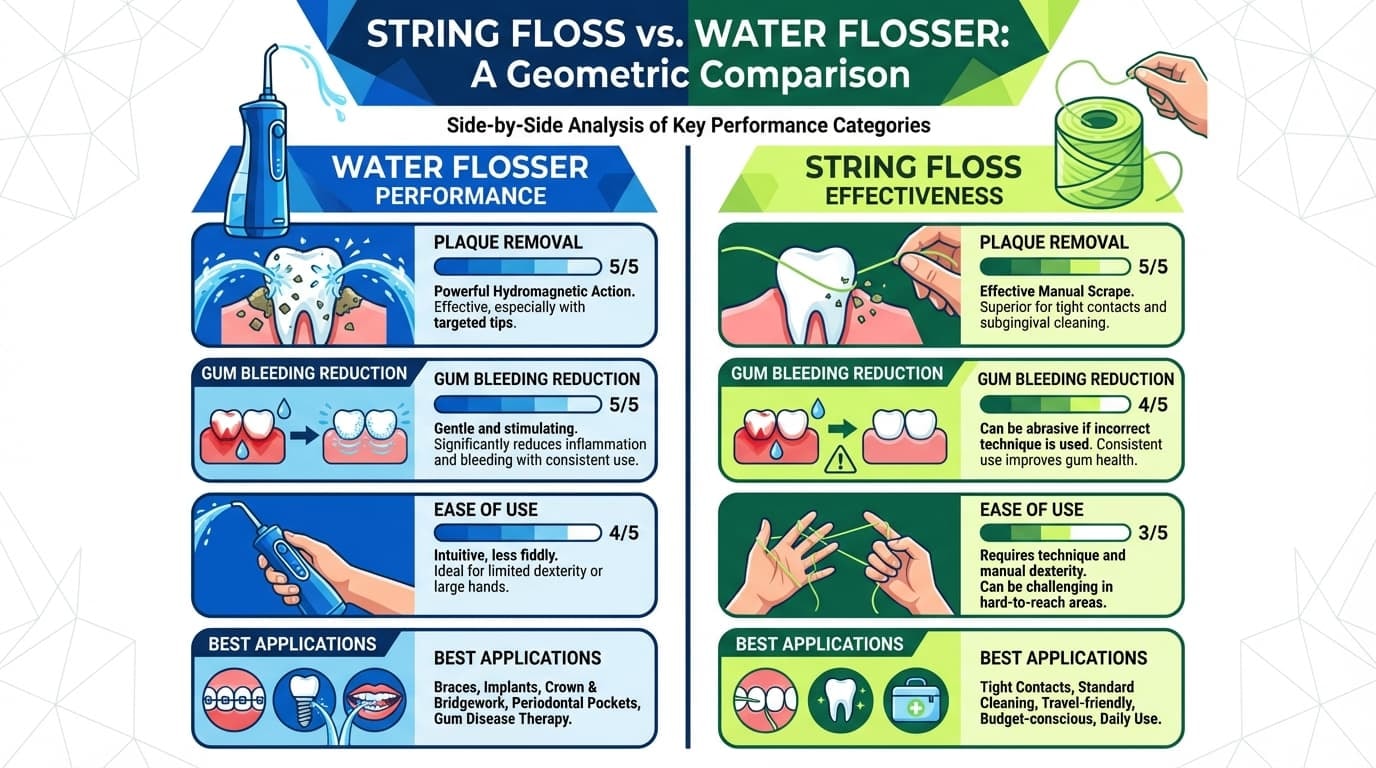
One of the most significant indirect water flosser dangers is the misconception that these devices can replace brushing or string flossing entirely.
Water Flossers Cannot Remove Plaque Effectively
Water flossers lack the mechanical friction needed to disrupt sticky plaque biofilm on tooth surfaces. They excel at flushing debris from deep pockets and around braces, but they cannot remove mature plaque from tight interproximal areas. Without brushing, plaque accumulates, increasing cavities and gingivitis risk.
No Fluoride Delivery
Most users fill reservoirs with plain water, missing the key benefit of brushing: topical fluoride exposure that strengthens enamel and prevents decay. Water flossers deliver no fluoride unless you specifically add it to the reservoir.
Dental consensus: Water flossers are adjunctive tools, not substitutes for brushing or string flossing.
High-Risk Groups Who Need Extra Caution
Certain individuals face greater risks from water flosser use and require modified approaches.
Sensitive Gums or Gum Recession
Start on the lowest pressure setting, use warm water, and monitor for persistent pain or bleeding. If discomfort continues, consult your dentist before continuing use.
Braces, Implants, or Dental Bridges
Use orthodontic or implant-specific tips designed for these appliances. Clean thoroughly after meals to prevent food accumulation, and avoid high pressure near surgical sites or recently placed implants.
Post-Surgical Patients
Do not use a water flosser for 2-6 weeks after extractions, implant placement, or gum grafts unless your dentist explicitly approves. Risk of dislodging blood clots or introducing infection is too high during healing.
Diabetics
Diabetes impairs healing and increases infection risk. Use sterile or filtered water, maintain rigorous device hygiene, and seek professional guidance before incorporating water flossing into your routine.
Elderly or Arthritic Users
Cordless models offer easier handling. Use slow, deliberate motions and ensure proper positioning over the sink to prevent drops or splashing.
Device Design Flaws That Increase Risk
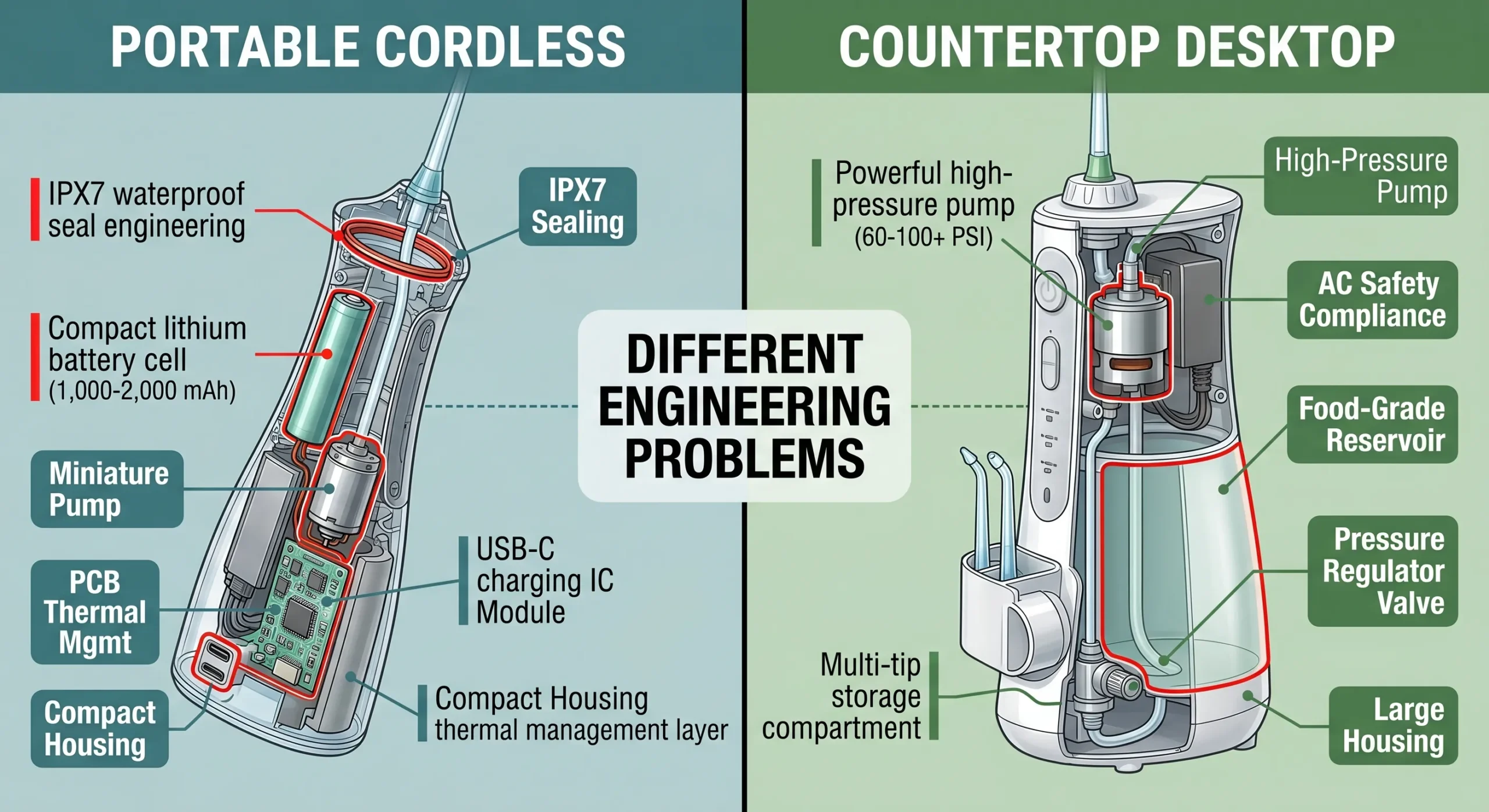
Current water flosser designs have fundamental limitations that manufacturers have not adequately addressed.
Premature Device Failures
In the clinical study, 6 of 12 AirFloss Ultra units failed within six weeks due to battery defects. By week 12, only 14 of 24 participants completed the trial. These reliability issues disrupt consistent oral care and may encourage unsafe reuse of malfunctioning units.
Non-Disassemblable Construction
Most units cannot be taken apart for thorough cleaning. Internal components stay moist between uses, providing ideal conditions for biofilm formation. Without user-accessible sterilization options, contamination becomes permanent.
Call for Improved Designs
Future devices should include full disassembly capability, antimicrobial tubing materials, UV or heat-based self-cleaning cycles, and leak-proof construction. Until manufacturers address these issues, users must accept inherent hygiene limitations.
Safe Usage Guidelines to Minimize Risks
Follow these evidence-based practices to reduce dangers while maintaining oral health benefits.
Start on Lowest Pressure
Always begin on the minimum setting, even if you have experience with water flossers. Gradually increase over one to two weeks as your gums adapt. Pain or bleeding means the pressure is too high.
Use Warm, Filtered Water
Fill the reservoir with lukewarm filtered or distilled water, especially if your tap water quality is questionable. Never use hot water, and avoid cold water if you have sensitive gums.
Clean and Dry After Each Use
Empty the reservoir immediately after use, rinse with clean water daily, wash weekly with soapy water using a bottle brush, and descale monthly with a 1:1 vinegar and water solution.
Replace Tips Every 3-6 Months
Worn or discolored tips harbor more bacteria. Replace them regularly to maintain hygiene and effectiveness, even if they appear undamaged.
Never Share Your Device
Each household member should have their own unit. Sharing, even with different tips, risks cross-infection. If unavoidable, perform intensive cleaning between uses, but understand this does not guarantee safety.
When to Avoid Water Flossing Entirely
After Oral Surgery
Avoid use for 2-6 weeks after extractions, implants, or grafts unless your dentist approves. Risk of dislodging clots or introducing infection outweighs benefits during healing.
With Active Gum Infections
If you have untreated periodontitis or dental abscesses, consult your dentist before using a water flosser. High-pressure jets may push bacteria deeper into tissues.
If You Will Not Maintain the Device
If you cannot commit to emptying, cleaning, and descaling regularly, do not use a water flosser. A contaminated device causes more harm than good.
Frequently Asked Questions About Water Flosser Dangers
Can water flossers cause permanent gum damage?
When used correctly with appropriate pressure, water flossers are safe and can actually improve gum health. Damage only occurs with misuse such as excessive pressure, incorrect angle, or use during contraindicated conditions.
Does bleeding mean I should stop using my water flosser?
Bleeding typically indicates pre-existing gum inflammation, not device harm. If bleeding persists beyond two weeks, consult your dentist to rule out periodontal disease or technique problems.
Can I share a water flosser with my spouse if we use different tips?
No. Research shows tip replacement does not prevent contamination because biofilm forms inside the internal tubing and reservoir. Each person needs their own dedicated unit.
How often should I really clean my water flosser?
Empty and rinse the reservoir after each use, perform weekly deep cleaning with soapy water, and descale monthly with vinegar. However, understand that even perfect cleaning cannot eliminate all microbial contamination.
Are water flossers safe for people with diabetes?
Diabetics can use them but should take extra precautions: use sterile or filtered water, maintain strict device hygiene, and consult a dentist before use given higher infection risks and slower healing.
Can I use essential oils or mouthwash in my water flosser?
Manufacturers generally advise against this as it can damage internal components. While some studies showed temporary microbial reduction, no cleaning method prevents eventual biofilm formation.
Key Takeaways for Safe Water Flosser Use
Water flossers offer real benefits for people with braces, implants, or dexterity issues, but they come with unavoidable microbiological risks that require responsible use. The research is clear: bacterial biofilm develops inside every water flosser within weeks, standard cleaning cannot eliminate this contamination, and sharing devices spreads oral pathogens between users.
To use water flossers safely, commit to one device per person, start on the lowest pressure setting, use only lukewarm filtered water, clean the reservoir after every use, replace tips every three to six months, and never skip brushing with fluoride toothpaste. Remember that water flossers are adjunctive tools that complement but never replace traditional oral hygiene practices.
If you cannot maintain your device properly or have active gum infections, consult your dentist before using a water flosser. With proper technique and realistic expectations, you can enjoy the benefits while minimizing the documented dangers.