If you’re wondering how often to use a water flosser, the answer isn’t one-size-fits-all, but for most people, once daily is the minimum for lasting oral health. Backed by the American Dental Association and clinical studies, daily water flossing removes plaque, reduces bleeding gums, and prevents cavities more effectively than string floss alone. Using your water flosser before bed is ideal because saliva flow drops at night, allowing bacteria to thrive. A 60- to 90-second session clears food debris and plaque, cutting your risk of gingivitis and bad breath. While some users benefit from twice-daily use, especially with braces, implants, or gum disease, overuse at high pressure can irritate gums. The key is consistency, proper technique, and personalization based on your dental needs.
Daily Use: The Gold Standard
For healthy gums and teeth, once-daily water flossing is non-negotiable. This aligns with ADA guidelines on interdental cleaning and is supported by clinical data showing up to 51% less gingival bleeding compared to string floss.
Nighttime Use Maximizes Protection
Plaque rebuilds daily, and skipping even one session gives bacteria time to form colonies that trigger inflammation. Nighttime flossing is especially effective because saliva production slows during sleep, reducing natural cleansing. Overnight plaque buildup increases acid production, which raises cavity risk. Removing debris before bed prevents morning breath and gum irritation. Aim for 60 to 90 seconds, moving systematically from back to front. Pause briefly between teeth to let the pulsating stream clean under the gumline and between tight contacts.
Morning Use: Optional but Beneficial
While not required, adding a second session in the morning can boost freshness and control bacteria after overnight growth. Use a lower pressure setting if gums are sensitive upon waking. Avoid replacing your evening session with a morning one because nighttime cleaning offers superior preventive benefits.
Adjust Frequency for Dental Conditions
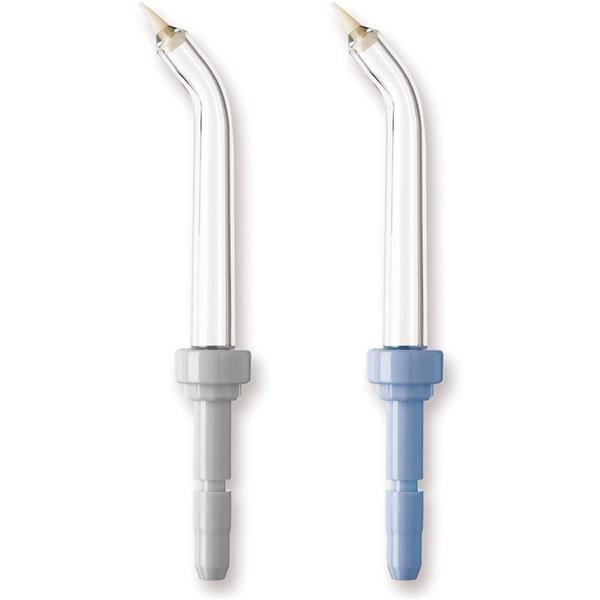
Your ideal water flossing schedule depends on your oral health status. Certain conditions require increased frequency or specialized tips for best results.
Gum Disease: Once or Twice Daily
If you have gingivitis or periodontitis, your dentist may recommend twice-daily use to reduce inflammation and support healing. Water flossers reach up to 3 mm below the gumline, flushing bacteria from periodontal pockets. Studies show 50 to 51% reduction in bleeding with daily use. Use a Pik Pocket or periodontal tip for subgingival cleaning. Combine with professional treatments like scaling and root planing. Even with mild gum disease, stick to daily use for at least 4 to 6 weeks to see visible improvements. If bleeding persists beyond this, consult your dentist.
Braces and Orthodontics: Twice Daily Required
Orthodontic appliances trap food and plaque around brackets and wires. Twice-daily water flossing is essential to prevent white-spot lesions, gum inflammation, and bad breath. Use an orthodontic-specific tip to direct water around brackets and under archwires. Many users report cutting cleaning time in half compared to traditional flossing. Portable, cordless models are ideal for post-lunch use at school or work.
Implants, Bridges, and Crowns: Prevent Peri-Implantitis

For those with dental implants or fixed restorations, cleaning around margins is critical. Plaque buildup can lead to peri-implantitis, a serious condition causing bone loss. Use water flossing once or twice daily depending on risk. Target hard-to-reach areas like under pontics or around abutments. Choose a plaque seeker or implant tip for precision cleaning. Pair with regular dental checkups to monitor tissue health.
Post-Meal Use: Spot Cleaning for Sticky Foods
While not a substitute for daily flossing, a quick rinse after meals helps manage food debris, especially after eating sticky or fibrous foods like popcorn, spinach, or dried fruit.
When to Use After Eating
Use a post-meal rinse when you feel food stuck between teeth, when you consumed high-sugar or starchy foods, or when you’re away from home and cannot brush. Use a portable water flosser with a 30- to 60-second low-pressure rinse focused on problem areas. This reduces the time bacteria have to produce enamel-eroding acids. Keep a cordless model at work or in your bag for on-the-go freshness.
Avoid Overuse: Signs and Risks
Water flossing is safe for multiple daily uses, but excessive high-pressure use can cause harm.
Risks of Overuse
The risks include gum irritation or tenderness, persistent bleeding, microtrauma to soft tissues, and potential loosening of fillings or crowns in rare cases.
Warning Signs to Watch For
Watch for bleeding that continues beyond 4 to 6 weeks, pain or soreness during or after use, and gum recession or increased sensitivity. If you notice these, lower the pressure setting and reduce frequency. Persistent issues may indicate underlying gum disease or improper technique, so consult your dentist. There’s no added benefit to using a water flosser more than 3 to 4 times a day because plaque takes hours to reaccumulate.
Master the Technique for Best Results
Even with the right frequency, poor technique reduces effectiveness. Follow these steps for optimal cleaning.
Ideal Session Duration
A full clean takes 60 to 90 seconds, while a spot clean takes 30 to 60 seconds after meals.
Step-by-Step Routine
Fill the reservoir with warm water for gentleness on sensitive gums. Start at the back molars and work forward. Angle the tip at 45 degrees to the gumline for subgingival cleaning. Pause briefly between each tooth. Keep lips slightly closed to minimize splash. Rinse your mouth and the device after use.
Pressure and Tip Selection
Start at the lowest setting and increase gradually. Most devices offer 10 to 100 psi, and 50 to 70 psi is ideal for most users. Use the right tip for your needs. The standard tip works for daily cleaning, the orthodontic tip for braces and retainers, the periodontal tip for deep pockets, the plaque seeker tip for implants and bridges, and the tongue cleaner tip for bad breath control. Replace tips every 3 to 6 months to maintain performance and hygiene.
Device Care and Maintenance Tips
A clean device ensures safe, effective use.
Daily Habits
Empty and dry the reservoir after each use. Rinse the nozzle to prevent clogging. Store upright to avoid mold or biofilm.
Weekly Maintenance
Descale with vinegar or a manufacturer-approved solution if using hard water. Clean the water tank with mild soap. Check for leaks or mineral buildup.
Portable vs. Countertop Models
Countertop models offer higher pressure and a larger tank, making them best for full daily sessions. Cordless models are compact and travel-friendly, ideal for post-meal use. Models like Oclean and Orateeth Q5 offer UV-C sanitization for automatic tip cleaning.
Water Flosser vs. String Floss: Which Is Better?
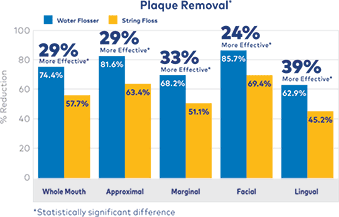
Both tools clean between teeth, but they work differently.
Water flossers reach up to 3 mm below the gumline and offer excellent ease with braces. They are gentle on sensitive gums and have high user compliance. String floss scrapes plaque physically and works well in tight spaces. Many dentists recommend using both: floss first to remove tight plaque, then water floss to flush out residue and massage gums. This hybrid approach maximizes cleanliness.
Special Populations: Tailored Advice
Children and Teens
Use once daily with parental supervision. Water flossers are great for kids with braces because they improve compliance. Choose fun colors or models to encourage use.
Elderly Users
Water flossers are ideal for those with arthritis or limited dexterity. They are easier than manual flossing and promote independence in oral care.
Pregnant Women
Hormonal changes increase gum sensitivity during pregnancy. Water flossing is gentle and effective for managing pregnancy gingivitis. It is safe throughout pregnancy with dentist approval.
After Dental Procedures
Avoid water flossing immediately after extractions or deep cleanings. Wait 7 to 10 days or until your dentist clears you. Premature use may disrupt clot formation or irritate healing tissue.
Debunking Common Myths
Myth: Once a Week Is Enough
Plaque forms within 24 hours, so weekly use allows buildup that increases gum disease and cavity risk. Daily use is essential.
Myth: Water Flossing Replaces Brushing
Water flossers clean between teeth and below the gumline but do not remove surface plaque. Always brush twice daily with fluoride toothpaste.
Myth: More Use Equals Faster Results
Consistency beats frequency. A user who flosses correctly once daily sees better long-term results than someone who overuses it with poor technique.
Myth: It Is Only for Braces
Water flossing benefits everyone, especially those with implants, sensitive gums, or dexterity issues.
Know You Are Doing It Right: Success Signs
Positive Results to Expect
Expect gums to become pinker and firmer. Bleeding should stop within 4 to 6 weeks. Less food gets stuck between teeth. Breath stays fresher longer. Teeth feel smoother.
Red Flags That Need Attention
Bleeding that continues beyond a month, gums that hurt or recede, no improvement in cleanliness, or device clogging all indicate problems. If problems persist, see your dentist because you may have undiagnosed gum disease or need technique adjustments.
Final Recommendations by User Type
Different users have different needs.
Healthy gums require once-daily use at night with a standard tip and warm water. Gum disease requires once or twice daily with a periodontal tip and dentist’s plan. Braces require twice daily with an orthodontic tip and a portable model for lunch. Implants and bridges require once to twice daily with a plaque seeker tip and cleaning under pontics. Post-meal use is as needed with a 30-second low-pressure rinse. Children need once-daily supervised use with fun colors. Elderly users need once daily with an easy-grip cordless model. Pregnant women need once or twice daily, gentle on sensitive gums.
Frequently Asked Questions About Water Flosser How Often to Use
Can I use a water flosser more than once a day?
Yes, you can use a water flosser more than once daily, but it is not necessary for most people. Those with braces, gum disease, or implants may benefit from twice-daily use. Using it more than 3 to 4 times daily offers no added benefit and may irritate your gums.
Is once-daily water flossing enough?
For most people with healthy gums, once-daily water flossing is sufficient. Clinical studies show that daily use reduces gingival bleeding by up to 51% compared to string floss. The key is consistency, so choose a time you can stick with every day.
When is the best time to use a water flosser?
The best time is before bed because saliva production decreases during sleep, allowing bacteria to thrive overnight. Nighttime use removes the day’s plaque and food debris, reducing your risk of cavities and gum disease.
Can I skip water flossing if I already brush twice daily?
No, brushing alone cannot clean between teeth and below the gumline. Water flossing reaches areas that brushing misses, removing plaque and debris from interdental spaces. Use it in addition to brushing, not instead of it.
How long should a water flossing session last?
A full cleaning session should last 60 to 90 seconds. Some sources recommend up to 2 minutes for thorough coverage. For spot cleaning after meals, 30 to 60 seconds is sufficient.
What happens if I use a water flosser too often?
Using a water flosser too often at high pressure can cause gum irritation, persistent bleeding, tenderness, or microtrauma to soft tissues. If you experience these symptoms, reduce the pressure or frequency and consult your dentist.
Conclusion: Customize for Lasting Oral Health
How often to use a water flosser depends on your unique needs, but daily use is the foundation for a healthy mouth. Whether you have braces, implants, or just want fresher breath, a water flosser offers a fast, effective, and comfortable way to clean where brushing cannot reach. Use at least once daily, preferably at night. Twice daily is recommended if you have braces, gum disease, or implants. Post-meal rinses help with food debris using low pressure. Never skip technique because angle, pressure, and tip selection matter. Consistency wins over sporadic overuse. Combine water flossing with brushing and regular dental visits for complete oral care. With the right routine, your water flosser becomes a long-term investment in a cleaner, healthier, and more confident smile.