
If your water flosser is leaking, you are not alone. Thousands of users report dripping from the base, handle, or nozzle, often within the first few years of use. Whether it is a slow seep under the unit or a sudden gush from the handle, water flosser leaking is usually tied to worn seals, cracked components, or preventable maintenance oversights. The good news is that most leaks are fixable without replacing the entire device. This guide walks you through pinpointing the source, applying proven repairs, and preventing future issues so you can keep your oral care routine running smoothly.
Locate the Leak Source First
Before disassembling anything, identify where the leak occurs. Each location points to a different cause and solution.
Check the Base of the Unit
If water pools under your device when filling or using it, the problem likely lies at the reservoir to base junction.
What to look for:
• Dripping from the bottom even when not in use
• Moisture around the base gasket
• A stiff or cracked rubber valve inside the reservoir
This is often due to a failed reservoir valve seal, especially in models like the Waterpik WP100. Over time, the rubber hardens and loses its ability to create a watertight seal.
Pro Tip: Place a dry paper towel under the unit during testing. Watch where the first drops appear.
Fix a Leaking Reservoir Valve

The reservoir valve is one of the most common failure points and also one of the easiest to repair.
Identify Valve Failure
Remove the water tank and turn it upside down. Inspect the rubber valve in the center.
Signs of failure include:
• Cracked, flattened, or brittle rubber
• Valve resists bending or springing back
• Visible discoloration or hardening
If you see any of these signs, replacement is needed.
Replace the Valve in 3 Steps
- Push the old valve out from the outside using your finger or a blunt tool. Do not pull from inside the housing.
- Insert the new valve from the inside out. The dome side faces up into the tank, the pronged side down.
- Press until it snaps into place. It should sit flush with no gaps.
Works on: Waterpik WP100, WP660, WP700, and compatible models
Cost: About $9 for a 6-pack of replacement valves on Amazon
Test After Repair
Reattach the reservoir, fill with water, and wait 10 minutes. No drips means success.
Warning: Installing the valve backward or forcing it incorrectly causes leaks. Double-check orientation before testing.
Handle Leaking During Use
A wet handle after flossing usually means a cracked hose, failed seal, or clogged nozzle.
Is It a Clog or a Leak
Try this simple test:
1. Remove the flossing tip
2. Run the unit without it
3. If water still leaks from the handle, it is a mechanical issue
4. If no leak occurs, the tip was clogged, causing back-pressure
Clean a Clogged Nozzle
Clogs force water to escape through weak seals.
Steps to clean:
1. Soak tips in 50% white vinegar and 50% water for 10 minutes
2. Scrub openings with a soft toothbrush
3. Rinse thoroughly with clean water
4. Reinstall and test
Prevention: Clean tips every 1 to 2 weeks. Run vinegar solution through the system monthly.
Replace Damaged O-Rings and Seals
O-rings seal connections at the nozzle, reservoir lid, and hose joints. When they degrade, leaks follow.
How to Replace an O-Ring
- Disassemble the component such as removing the flossing tip
- Locate the small rubber ring at the connection point
- Remove with tweezers or your fingernail
- Check for cracks, flattening, or discoloration
- Insert a new ring, ensuring it is fully seated and not twisted
- Reassemble and test for leaks
Spare parts available for: Waterpik, Panasonic, Philips, and Xiaomi
Tip: Contact customer service. They often ship free replacements.
Hose or Internal Tubing Leak
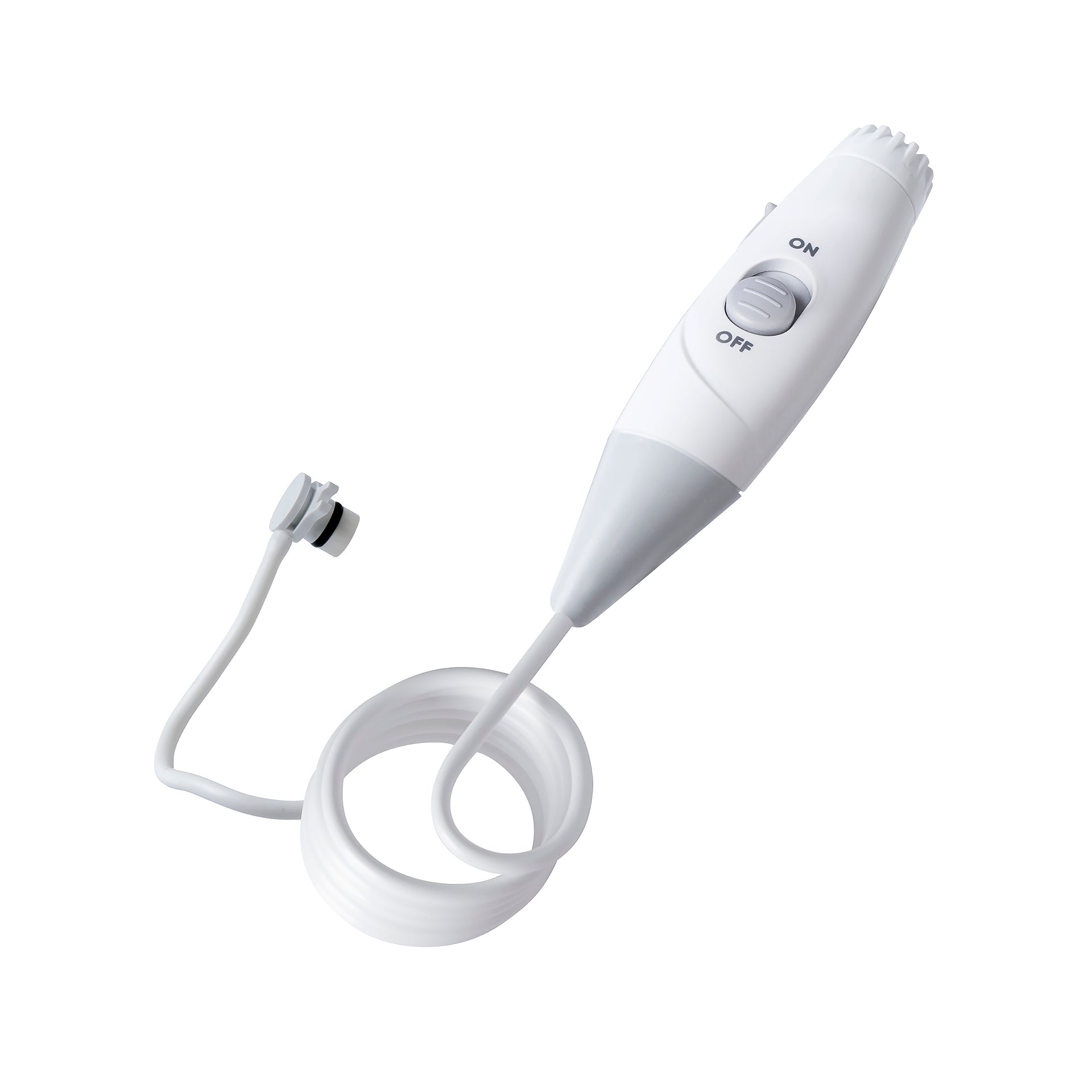
If water drips along the hose length or sprays from the handle-body junction, the inner hose may be split.
Can You Fix It
Most modern units have non-replaceable hoses due to ultrasonic welding. If the handle is sealed shut, do not attempt to open it. You risk injury or permanent damage.
Your Options
| Situation | Solution |
|---|---|
| Under warranty | Contact manufacturer for repair or replacement |
| Out of warranty, OEM part available | Order genuine hose assembly from Waterpik |
| Aftermarket parts only | Avoid cheap Amazon replacements. They fail quickly |
| Multiple leaks | Consider replacing the entire unit |
User Insight: “Got an aftermarket hose and it leaked within a week. Paid more for the official one and it has been solid for a year.”
Cracked Reservoir? Replace It
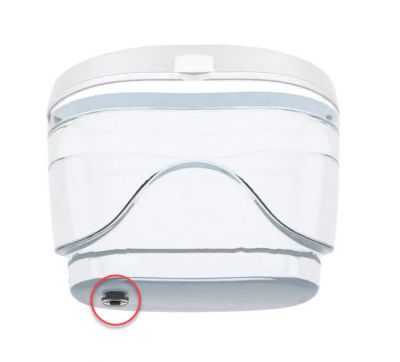
A cracked tank will not seal no matter how many new valves you install.
Signs of a Cracked Reservoir
• Visible hairline fractures
• Leaks even when empty
• Warping from heat exposure such as hot water above 40°C
Can You Repair with Epoxy
No. Glue fails under pressure cycling and water flow.
Replacement Options
• Waterpik, Panasonic, and Philips offer OEM reservoirs online
• Xiaomi and Mlikang check third-party sellers or contact the manufacturer
• Generic brands search Amazon or eBay using your model number
Some models allow tool-free reservoir swaps, ideal for DIY fixes.
Pump or Internal Leak? Time to Replace
If water leaks from the base even when the reservoir is removed, the issue may be internal.
Symptoms of Internal Failure
• Water pooling when unit is off and empty
• Hissing or gurgling sounds
• No pressure buildup
• Failed diagnostics after valve replacement
These suggest pump housing failure or internal pipeline rupture.
Repair vs. Replace
| Factor | Decision |
|---|---|
| Under warranty | Contact manufacturer |
| Repair cost exceeds 50% of new unit | Replace |
| Over 5 years old | Replace |
| Multiple failed components | Replace |
Rule of thumb: If internal damage is suspected, replacement is usually more cost-effective.
Prevent Leaks Before They Start
Most leaks are preventable with simple habits.
Daily After-Use Routine
• Empty the reservoir completely
• Detach and dry the handle
• Store with nozzle pointing upward to drain residual water
Weekly Maintenance
• Wipe down seals and connection points
• Check for mineral buildup around gaskets
Monthly Deep Clean
- Fill reservoir with 1:1 vinegar-water solution
- Run through the system for 30 seconds
- Rinse with clean water
- Let air dry completely
This removes lime and calcium that degrade seals over time.
When to Replace O-Rings and Valves
Rubber parts degrade after 2 to 3 years even with perfect care.
Recommended Replacement Schedule
| Part | Frequency |
|---|---|
| Reservoir valve | Every 2 years or sooner if cracked |
| Handle O-rings | Every 1 to 2 years |
| Flossing tips | Every 3 to 6 months |
| Spare valves | Store in sealed bag to slow aging |
Pro Tip: Label replacement parts with purchase date to track service life.
Brand-Specific Part Availability
Not all brands support repairs equally.
| Brand | Spare Parts Access | Notes |
|---|---|---|
| Waterpik | Excellent | Valves, hoses, and reservoirs widely available |
| Panasonic | Good | Seals and tanks replaceable |
| Philips | Good | Online parts portal with diagrams |
| Xiaomi | Limited | Rely on third-party suppliers |
| Bayer | Moderate | Some parts compatible with Waterpik |
| Mlikang | Direct only | Contact via Shenzhen Mlikang Tech |
Always contact official support first. They may send parts for free.
Do Not Use Undiluted Mouthwash
One of the top causes of premature seal failure is harsh chemicals.
What Damages Seals
• Undiluted mouthwash especially alcohol-based
• Bleach or hydrogen peroxide unless rinsed thoroughly
• Hot water above 40°C
Safe Usage
• Dilute mouthwash 50/50 with water
• Rinse system with clean water afterward
• Never leave mouthwash in the reservoir between uses
Leaving mouthwash overnight accelerates rubber degradation.
Repair vs. Replace: Decision Checklist
Use this to decide whether to fix or replace your unit.
| Condition | Action |
|---|---|
| Single leak such as valve only | Repair |
| Under 3 years old | Repair |
| OEM parts available and affordable | Repair |
| Multiple leaks valve and handle | Replace |
| Over 5 years old | Replace |
| Repair cost exceeds 50% of new model | Replace |
| Internal pump leak | Replace |
Real user experience: “It was working fine one day and then the next, it was not.” Sudden failure often means internal failure. Replace the unit.
Long-Term Trends: More Repairable Designs
Manufacturers are responding to user frustration with improved designs.
2023 to 2025 Improvements
• Tool-free seal replacement in newer Waterpik and Philips models
• Modular reservoirs that snap in and out
• Improved silicone seals resistant to mouthwash and heat
• Smart sensors emerging that detect pressure drops or early leaks
The goal is shifting from disposable devices to long-lasting, serviceable units.
Frequently Asked Questions About Water Flosser Leaking
Why is my water flosser leaking from the base?
Leaking from the base usually indicates a failed reservoir valve seal or worn base gasket. The rubber valve can harden and crack over time, especially in models like Waterpik WP100. Replace the reservoir valve first, as this solves most base leak issues.
Can I repair a cracked water flosser reservoir?
No. A cracked reservoir cannot be repaired with glue or epoxy. The pressure from water flow will cause repairs to fail. Replace the reservoir with an OEM part from the manufacturer or a compatible third-party seller.
How often should I replace the reservoir valve?
Replace the reservoir valve every 2 years or sooner if you notice cracks, flattening, or stiffness. Heavy users may need to replace it more frequently. Regular descaling helps extend valve life.
Why does my water flosser leak from the handle?
Handle leaks are usually caused by a cracked inner hose, failed O-rings, or a clogged nozzle causing back-pressure. Inspect the hose for visible cracks, replace worn O-rings, and clean the nozzle regularly to prevent this issue.
Are aftermarket replacement parts reliable?
Aftermarket parts often fail faster than OEM components. Users report that cheap Amazon hoses and valves leak within weeks. Invest in genuine manufacturer parts for reliable, long-term repairs.
Should I replace or repair a 5-year-old water flosser?
Replace it. At 5 years or older, multiple components are likely worn out. Repair costs often exceed half the price of a new unit. Modern models also include improved seals and easier maintenance features.
Key Takeaways for Fixing Your Water Flosser Leak
A water flosser leaking does not mean it is time to toss it. Most issues stem from simple, replaceable parts, especially the reservoir valve and O-rings. By identifying the leak location, replacing worn seals, and maintaining the system monthly, you can restore full function and extend your device is life to 5 or more years.
Quick Action Plan:
• Find the leak source by observing where water first appears
• Replace the reservoir valve if the base is wet
• Clean tips and descale monthly using vinegar solution
• Use OEM parts for handles and hoses
• Replace the unit if the pump is failing or the device is over 5 years old
With the right care, your water flosser can stay leak-free, powerful, and effective, keeping your gums healthy for years to come.