
If your Waterpik water flosser is clogged, you are dealing with reduced pressure, sputtering streams, or no water flow at all. The primary cause is usually hard water mineral deposits or dried toothpaste residue blocking the tip or internal tubing. The good news is that most clogs can be fixed in under 15 minutes using household items like white vinegar. This guide covers step-by-step unclogging methods, preventive maintenance routines, and model-specific solutions to restore full pressure and keep your Waterpik working like new.
You will learn how to clean every component from the jet tip to the internal valve, identify when the problem is deeper than the tip, and prevent future blockages with simple maintenance habits. Whether you own a countertop model like the WP-660 or a cordless unit like the WP-450, these methods work for all Waterpik water flosser types.
Clean the Jet Tip First
The jet tip is the most common clog site in any waterpik water flosser clogged scenario. Always start here before attempting internal cleaning.
Soak and Flush the Nozzle
The narrow opening in the tip collects debris and mineral deposits over time, making this your first troubleshooting step.
Remove the tip using the Tip Eject button on your unit. Soak the tip in white vinegar or 3% hydrogen peroxide diluted 1:2 with water for 5 to 7 minutes. Rinse thoroughly under warm running water, then inspect the tiny nozzle opening for visible debris. Use a soft-bristle brush or dental pick to gently dislodge any remaining particles. Never use a metal pin or wire, as this can scratch or widen the aperture and permanently damage the spray pattern.
Pro Tip: Replace standard jet tips every 6 months and orthodontic or brush tips every 3 months. Narrower openings clog faster, and worn tips reduce effectiveness even when the unit is working properly.
Test Flow Without the Tip
This quick diagnostic tells you whether the clog is in the tip or deeper in the system.
Remove the tip from the handle and power on the unit. Observe the nozzle opening on the handle. If water flows or bubbles out, the tip was clogged and you can reattach a clean or new tip. If no water emerges, the blockage is internal in the tubing, valve, or pump, and you need to proceed with a full system flush.
Flush the Internal System
When the tip is not the culprit, mineral buildup inside the unit is the usual suspect. A vinegar flush dissolves limescale and restores flow.
Use Vinegar to Dissolve Buildup
White vinegar is the most effective solution for hard water deposits causing a waterpik water flosser clogged issue.
For countertop models including the WP-660, WP-100, Ultra, and Advanced, mix 2 to 4 tablespoons of white vinegar with 16 ounces of warm water. Fill the reservoir, set pressure to 10 (high), and run half the solution through the unit. Turn off the unit, leave the handle in the sink, and let the solution drain slowly from the tip for 5 to 10 minutes. This drain-back method helps clear internal tubing. Run the remaining solution through, then rinse with clean warm water twice to remove any vinegar taste.
For cordless models like the WP-450, Cordless Advanced, and Waterpik Flower, add 1 tablespoon of white vinegar to a full reservoir of warm water. Point the tip into the sink, turn the unit on, and run until empty. Repeat with clean water to rinse thoroughly.
User Success: One Waterpik Flower owner restored full pressure after a vinegar flush even after tip replacement failed to resolve the issue.
Clean the Reservoir and Valve
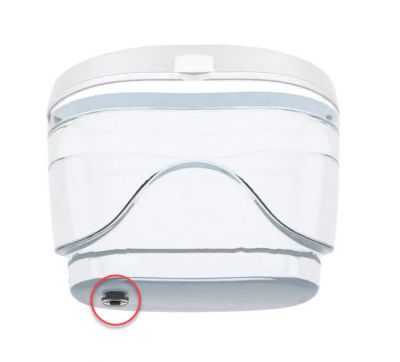
The black rubber valve at the reservoir base is a frequent clog point in countertop models and often mimics full blockage symptoms.
Remove and Wash the Black Rubber Valve
Detach the reservoir from the base unit. Push the black valve up from below to remove it. Rinse under warm water for 30 to 45 seconds, gently massaging between your fingers to loosen mineral deposits. Inspect for cracks, warping, or stiffness, and replace if damaged. Reinstall with the dome side facing up and the four-prong side facing down. Press firmly until it seats completely.
Warning: A misaligned or degraded valve causes poor flow, leaks, or no pressure, and is often mistaken for a clog.
Wash the Reservoir Properly
Leftover standing water breeds mold and debris that contribute to a waterpik water flosser clogged problem.
The reservoir is top-rack dishwasher safe. Disable the heated dry cycle to prevent warping. For hand washing, use warm soapy water and a small bottle brush to scrub the interior. Rinse thoroughly before reattaching to the base.
Handle Cleaning (Countertop Only)
Handles can trap debris internally, especially with frequent daily use.
Soak for Internal Tip Clearance
Remove the tip from the handle. Soak the handle in a 1:1 vinegar-water solution for 5 to 7 minutes. Rinse under warm water and air dry completely before reuse.
Critical Exception: Do NOT soak the Radiance (WF-09) model handle. It has a non-replaceable battery, and soaking will damage it permanently. Wipe the exterior only.
Never submerge cordless or battery-powered units in water. Water damage voids the warranty and may cause permanent failure.
Prevent Future Clogs
Consistent maintenance prevents most clogging issues and extends the life of your unit.
Follow a Maintenance Schedule
Empty the reservoir after every use to prevent mold and mineral buildup. Wipe the exterior daily to keep it clean and dry. Rinse the tip weekly, especially in hard water areas. Perform a vinegar flush every 1 to 3 months to stop scale before it forms. Replace standard tips every 6 months and orthodontic or brush tips every 3 months. Clean the reservoir and valve monthly. Check the O-ring monthly and replace if cracked or misshapen.
Use the Right Water
Avoid tap water in hard water areas. Use distilled or filtered water instead, which cuts mineral buildup by over 80%. Never leave water sitting overnight in the reservoir. Empty and dry after each use, and store the unit upright to prevent sediment from settling in the base.
Model-Specific Fixes
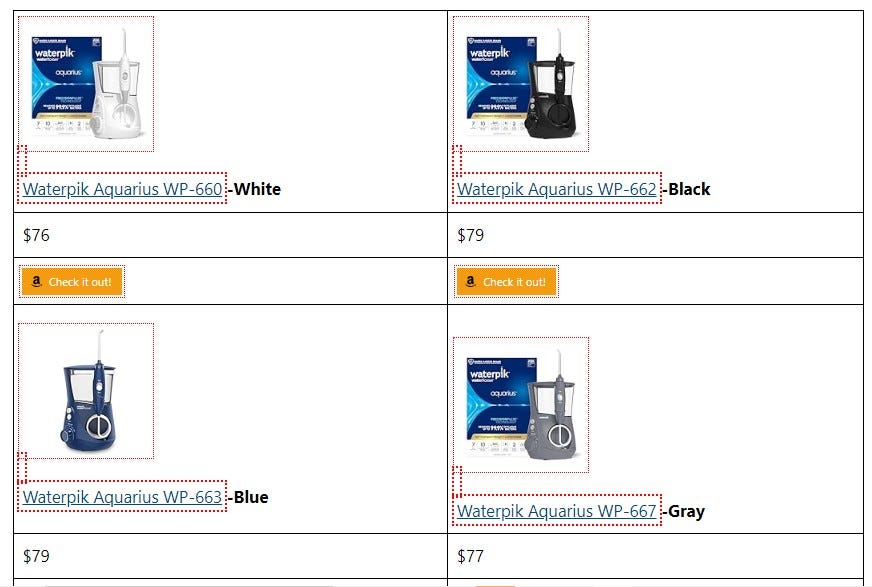
Different Waterpik models require slightly different approaches when dealing with a waterpik water flosser clogged situation.
Countertop Models (WP-660, WP-100, Ultra, Advanced)
These units use the drain-back method during vinegar flush for best results. The reservoir is top-rack dishwasher safe without heated dry. The handle can be soaked unless it is the Radiance model. Replace the black valve if flow remains low after thorough cleaning.
Cordless Models (WP-450, Cordless Advanced, Waterpik Flower)
These models do not require the drain-back step. Simply run a full vinegar flush. Low battery mimics clog symptoms, so fully charge the unit before troubleshooting. The battery indicator flashes 8 times after use when approximately 30% charge remains. Use alkaline or NiMH batteries only and replace all batteries at once.
Waterpik Flower Alert: Some users report new units arriving clogged. If cleaning fails, contact support, as defects may not be user-caused.
Sonic-Fusion Models (SF-01, SF-02)
These combined toothbrush and flosser units rely on wireless communication between the handle and base. If the floss function fails, place the handle in the dock, then remove it to re-establish the wireless connection. The blue light should glow when properly connected. Ensure the handle is charged and seated properly.
Troubleshoot Low Pressure
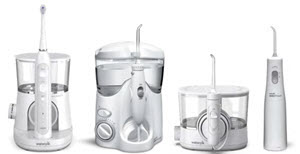
Even after cleaning, pressure issues may persist. Rule out these common causes before assuming the clog is internal.
Check These Before Assuming a Clog
Adjust pressure settings. For countertop models, turn the dial to 8 or 10. For cordless models, press the mode button to high (III).
Verify the power source. Rechargeable models should show a solid indicator light, not flashing. Charge time is approximately 4 hours. For battery models, replace all AA batteries with the same brand and type.
Confirm proper assembly. The tip must click into place securely. The reservoir must be fully seated on the base. The fill lid must be tight and the O-ring must be properly aligned.
Replace worn parts. The black valve should be replaced if leaking or stiff. Check the hose or handle for cracks or blockages if pressure remains low.
Use the Right Cleaning Solutions
Using the wrong solutions damages seals, clogs lines, or leaves harmful residue.
Approved Mixes for Safe Cleaning
For internal flush, use 2 tablespoons of white vinegar per 16 ounces of water. For tip soak, use a 1:2 vinegar-to-water ratio or hydrogen peroxide diluted 1:2 with water. For handle soak on countertop models, use a 1:1 vinegar-to-water solution. For cordless flush, use 1 tablespoon of vinegar per full reservoir.
Never use essential oils, undiluted mouthwash, bleach, or abrasive cleaners. These substances degrade plastic components and can cause permanent blockages.
When to Contact Waterpik Support
If all cleaning steps fail, the issue may be internal pump failure or a manufacturing defect.
Know Your Warranty Rights
Warranty coverage ranges from 1 to 3 years depending on your model. It covers defects in materials and workmanship but does NOT cover hard water damage, improper cleaning, or unauthorized repairs.
Contact Waterpik at 1-800-525-2774. Hours are Monday through Thursday 9 AM to 7 PM EST, and Friday 9 AM to 4 PM EST. Visit Waterpik.com for manuals, replacement parts, and support resources.
Return Tip: Retailers like Amazon often enforce 30-day return windows. If your unit arrived defective, act fast.
Final Tips for Long-Term Performance
Vinegar is your best defense against a waterpik water flosser clogged issue. It is cheap, effective, and safe for all components. Empty the reservoir after every use without exception. Replace tips on schedule to maintain effectiveness. Store the unit upright to prevent sediment from settling. Use distilled water in hard water areas to reduce mineral buildup by over 80%.
A clogged Waterpik water flosser is almost always fixable. Start with the tip, flush with vinegar, clean the valve, and maintain monthly. Most users restore full pressure in a single cleaning session. If problems persist, check the power source, verify assembly, or contact Waterpik support. Your unit may still be under warranty. With proper care, your Waterpik can last 3 to 5 years with strong, consistent performance.
Frequently Asked Questions About Waterpik Water Flosser Clogs
Why does my Waterpik water flosser keep getting clogged?
Your waterpik water flosser clogged problem typically stems from hard water mineral deposits, dried toothpaste residue, or mold from standing water. These substances accumulate in the tip, valve, and internal tubing, restricting water flow. Regular cleaning and using distilled water prevent most clogs.
Can I use hydrogen peroxide to clean my Waterpik?
Yes, you can use 3% hydrogen peroxide diluted 1:2 with water to soak tips for 5 to 7 minutes. This disinfects the tip and dissolves organic debris. Rinse thoroughly before reuse. Vinegar is equally effective for mineral deposits and is the more commonly recommended solution.
How often should I flush my Waterpik with vinegar?
Perform a vinegar flush every 1 to 3 months to prevent a waterpik water flosser clogged issue from developing. In hard water areas, flush monthly. This simple routine dissolves mineral buildup before it restricts flow and damages internal components.
Why is my Waterpik not spraying water even after cleaning?
If your waterpik water flosser clogged cleaning does not restore flow, check three things. First, verify the tip is properly seated and clicks into place. Second, ensure the reservoir is full and seated securely on the base. Third, check that the black rubber valve is clean, undamaged, and correctly installed. If all check out, the internal pump may be failed and require professional service or replacement.
Does low battery cause poor pressure in cordless models?
Yes, low battery in cordless models mimics a waterpik water flosser clogged problem. When battery charge drops to approximately 30%, the indicator flashes 8 times after use and pressure drops significantly. Fully charge the unit before troubleshooting pressure issues.
What water should I use in my Waterpik?
Use distilled or filtered water in hard water areas to prevent mineral buildup that causes a waterpik water flosser clogged condition. Tap water in soft water areas is generally acceptable, but always empty the reservoir after each use to prevent mold and bacterial growth.
Key Takeaways for Fixing a Clogged Waterpik
A waterpik water flosser clogged issue is almost always fixable at home with basic supplies. Start by cleaning the jet tip, as it is the most common clog site. If flow does not return, perform a vinegar flush to dissolve internal mineral deposits. Clean the black rubber valve monthly, especially in countertop models. Maintain a routine of emptying the reservoir after every use, rinsing tips weekly, and flushing with vinegar every 1 to 3 months. Replace tips on schedule and use distilled water in hard water areas. With consistent care, your Waterpik will provide years of reliable, full-pressure performance.