If you have ever wondered how much pressure your Waterpik water flosser should use, you are not alone. The PSI (pounds per square inch) of a water flosser directly impacts its cleaning power and your gum health. Waterpik, the leading brand in oral irrigation, offers models with pressure ranges from 10 to 100 PSI, depending on whether they are corded or cordless. But what does that mean for your daily routine? Is higher always better? And is 100 PSI actually safe?
A landmark 2018 clinical study confirmed that Waterpik devices are safe at maximum pressure (100 PSI), with no damage to gum tissue and even improvements in periodontal health. Yet many users start too high or too low, leading to discomfort or ineffective cleaning. The key is not maximum power but personalized pressure based on your sensitivity, experience, and dental needs. In this guide, you will learn the exact PSI ranges for every Waterpik model, discover the optimal pressure for plaque removal, and get science-backed tips to use your device safely.
Corded vs Cordless: PSI Differences Between Waterpik Models

The type of Waterpik you choose significantly affects the pressure range available. Understanding these differences helps you select the right model for your cleaning needs.
Countertop Models: Full Power Range 10 to 100 PSI
Corded Waterpik models deliver the highest pressure, ranging from 10 to 100 PSI across 10 adjustable settings. These units plug into an outlet and use a powerful motor to generate consistent water pulses, making them ideal for deep cleaning.
The pressure settings break down into three zones:
- Settings 1 to 3 (10 to 40 PSI): Gentle flow for sensitive gums or beginners just starting with water flossing
- Settings 4 to 8 (50 to 80 PSI): Moderate pressure for everyday cleaning and maintenance
- Settings 9 to 10 (90 to 100 PSI): Maximum intensity for plaque disruption and deep pocket cleaning
The wide range allows gradual progression, which is critical for gum adaptation. Users often start low and build up over weeks, reducing bleeding and improving tolerance.
Cordless Models: Portable Pressure 45 to 75 PSI
Portable Waterpik flossers like the Cordless Plus and Traveler offer convenience but less power, with pressures capped between 45 and 75 PSI.
These models typically feature:
- Low setting (approximately 45 to 55 PSI): Ideal for travel or sensitive use
- High setting (approximately 70 to 75 PSI): Effective for most users, especially those with braces or implants
While these models cannot reach 100 PSI, their pulsating action still removes plaque efficiently. However, the smaller water tank means more frequent refills during use.
Why Corded Models Deliver More Cleaning Power
Countertop models maintain steady pressure because they are powered continuously by an electrical outlet. Cordless units rely on battery-driven pumps and compact reservoirs, which limit flow consistency and peak PSI. If maximum cleaning power is your goal, corded is the superior choice.
Is 100 PSI Safe for Your Gums? Clinical Evidence
Many users worry that maximum pressure might damage delicate gum tissue. The clinical evidence provides clear answers about safety at high PSI levels.
Clinical Study: No Tissue Damage at 100 PSI
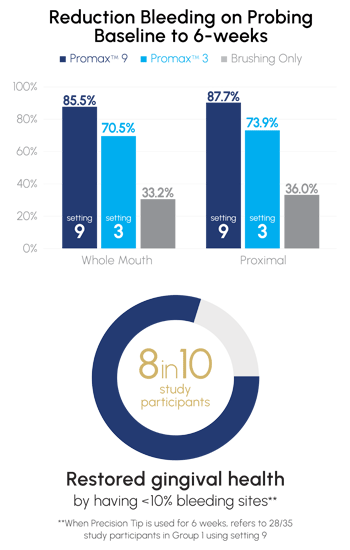
A six-week clinical trial tested Waterpik use at up to 100 PSI on 105 participants. The results were definitive:
- Zero adverse effects on gingival tissue were observed
- Clinical Attachment Level (CAL) and Probing Pocket Depth (PPD) remained stable or improved
- No signs of epithelial damage occurred, even at full pressure
Participants followed a progression protocol: they started at 40 to 80 PSI during weeks 1 to 2, progressed to 90 PSI during weeks 3 to 4, and finished at 100 PSI during weeks 5 to 6. Throughout the entire study, gum health either remained stable or showed improvement.
High Pressure Does Not Cause Gum Trauma
Contrary to common fear, 100 PSI did not cause harm. The pulsating water stream actually stimulated blood flow and removed bacteria from below the gumline, contributing to improved periodontal outcomes. Dental professionals note that proper technique matters more than pressure. Holding the tip too close or at the wrong angle can cause discomfort even at lower settings.
When High PSI Becomes Risky
While Waterpik 100 PSI is safe, some third-party flossers advertise pressures up to 150 PSI with no clinical backing. One dental hygienist remarked that 150 PSI is excessive. At such levels, the risk of soft tissue injury increases significantly, especially for inexperienced users. Waterpik devices are ADA-accepted, while many high-PSI knockoffs are not. Safety certifications matter when choosing a water flosser.
Best PSI Setting for Removing Plaque Effectively

Understanding the relationship between pressure and cleaning efficacy helps you maximize your water flosser is performance.
70 PSI: The Cleaning Threshold
Research and hygienist feedback agree that pressures above 70 PSI are most effective for removing plaque and debris.
The effectiveness breakdown:
- Below 50 PSI: May feel soothing but lacks sufficient cleaning power
- 50 to 70 PSI: Moderate efficacy suitable for maintenance
- 70 to 100 PSI: Optimal for disrupting biofilm and flushing out bacteria
Users report a satisfying massaging sensation at 80 plus PSI along with visible debris removal.
Pressure Recommendations for Specific Needs
Different oral health conditions require different pressure settings for optimal results.
| Condition | Recommended PSI | Reason |
|---|---|---|
| Sensitive Gums | 10 to 50 PSI | Prevents bleeding and allows gum healing |
| Braces or Implants | 80 to 100 PSI | Reaches under wires and around posts effectively |
| Periodontal Pockets | 70 to 90 PSI | Flushes bacteria from deep pockets |
| General Daily Use | 70 to 100 PSI | Maximizes plaque removal and gum stimulation |
Higher pressure improves access to hard-to-reach areas, but consistency beats intensity. Spending extra time in problem zones, even at lower PSI, yields better long-term results than rushing through at maximum pressure.
How to Adjust Your Waterpik Pressure Safely
Proper pressure adjustment prevents discomfort and ensures effective cleaning. Follow this gradual approach for the best results.
Start Low and Increase Gradually
Beginners should start at 30 to 50 PSI for the first 1 to 2 weeks. This allows gums to adapt, especially if prone to bleeding.
A safe progression timeline:
- Week 1: Use setting 3 to 4 (30 to 50 PSI)
- Week 2 to 3: Move to setting 6 to 7 (60 to 70 PSI)
- Week 4 plus: Test settings 8 to 10 (80 to 100 PSI) as tolerated
Many users jump to high pressure too soon, causing avoidable discomfort and potentially discouraging regular use.
Use the Correct Tip Angle
Even at 100 PSI, improper angle can reduce effectiveness or cause splashing. Hold the tip at a 90-degree angle to the gumline, not pointed directly into the gums. Move systematically from back to front, pausing briefly between teeth.
Take Time for Thorough Cleaning
A full cleaning takes about 60 seconds. Move slowly, especially around molars and implants. Rushing reduces plaque disruption and increases water waste without improving results.
Waterpik vs String Floss: Why PSI Matters
Understanding the difference between mechanical and hydrodynamic cleaning helps you use both methods effectively.
Two Different Cleaning Mechanisms
String floss physically scrapes plaque off tooth surfaces through direct contact. Water flossers use pulsating water pressure to dislodge bacteria from pockets and crevices.
The comparison:
- String floss: Better for tight contacts and surface plaque removal
- Water flosser at 70 plus PSI: Superior for below-gum cleaning, braces, and bridges
The 2018 study found Waterpik users performed as well as or better than string floss users in reducing gingivitis and bleeding.
Water Flossing Is Not a Complete Replacement
Despite high PSI capability, water flossing is not a complete substitute for string floss. Dentists recommend using both methods together for optimal results. The recommended sequence is floss first, then water floss for a deep rinse, or water floss, then brush, then floss for fluoride retention.
Third-Party Flossers: The 150 PSI Marketing Myth
Some non-Waterpik brands advertise 150 PSI, claiming ultra-powerful cleaning. However, no clinical evidence supports safety or efficacy at that level.
Marketing Hype Versus Clinical Reality
Waterpik 100 PSI is the highest clinically tested pressure for oral irrigation. Beyond that level, risks outweigh benefits. Many high-PSI alternatives lack pressure regulation, leading to erratic bursts that can injure gums.
One user with a 150 PSI model described the sensation as intense, maybe too intense. Stick with proven, regulated devices, especially if you have sensitive gums or dental work.
Why Waterpik Remains the Standard
Waterpik stands out because of:
- ADA acceptance verifying safety and performance
- Precision engineering delivering consistent pulsation (1,200 to 1,400 pulses per minute)
- Gradual pressure control with 10 settings versus fixed high or low on many knockoffs
Choose ADA-accepted devices to ensure you are getting proven performance.
Daily Use Tips for Optimal Waterpik Results
Following a consistent routine maximizes cleaning effectiveness and extends your device is lifespan.
Step-by-Step Routine
Follow this sequence for best results:
- Fill reservoir with warm water, which enhances comfort
- Attach the appropriate tip and select your pressure setting
- Lean over the sink and close lips slightly to prevent splashing
- Place the tip in your mouth before turning on the device
- Start at back molars, follow the gumline, and pause briefly between teeth
- Keep the device vertical, especially corded models
- Rinse your mouth and empty the reservoir after use
Maintenance for Longevity
Keep your Waterpik performing optimally with regular care:
- Clean the nozzle weekly to prevent clogging
- Descale every 1 to 3 months using vinegar or manufacturer solution
- Store cordless units upright to preserve pump function
Optimizing for Dental Work
Different dental appliances benefit from specific approaches:
- Braces: Use the Orthodontic Tip at 80 plus PSI to blast food from brackets
- Implants: Use the Perio Tip at 70 to 90 PSI to target peri-implant pockets
- Bridges: Use the standard tip at 80 PSI to flush under prosthetics
Higher pressure compensates for reduced manual access around dental work.
Final Recommendations for Your Waterpik
Choosing the right model and pressure setting ensures you get the most benefit from your water flosser.
Select the Right Model
For maximum cleaning, choose a countertop Waterpik that offers 100 PSI across 10 settings. For travel or convenience, the Cordless Plus provides 75 PSI maximum with dual settings. Avoid unbranded flossers with exaggerated PSI claims.
Set the Right Pressure
Match your pressure to your needs: sensitive gums require 10 to 50 PSI with gradual increase, effective daily cleaning benefits from 70 to 100 PSI, and dental appliances work best with 80 to 100 PSI using the appropriate tip.
Combine With Traditional Flossing
Use water flossing as an adjunct, not a replacement. For best results, floss first, then brush, then water floss, or water floss, then brush, then floss. Either way, daily interdental cleaning is essential for maintaining gum health.
Frequently Asked Questions About Waterpik PSI
What is the highest PSI setting on a Waterpik?
The highest PSI setting on a Waterpik is 100 PSI, available on corded countertop models. Cordless models max out at 75 PSI.
Is 100 PSI too strong for sensitive gums?
No, 100 PSI is clinically safe for all gum types. However, users with sensitive gums should start at 10 to 50 PSI and gradually increase over several weeks to allow gum tissue to adapt.
Can I use my Waterpik every day?
Yes, you can use your Waterpik daily. Most dental professionals recommend water flossing once daily as part of your oral hygiene routine, ideally before brushing.
Does higher PSI clean better than lower PSI?
Yes, pressures above 70 PSI are more effective at removing plaque and disrupting biofilm. However, starting pressure should be based on your gum sensitivity and experience level.
Is water flossing better than string flossing?
Water flossing and string flossing serve different purposes. Water flossers excel at cleaning below the gumline and around dental work, while string floss is better for tight contacts. Using both methods together provides the best results.
Are cordless Waterpik models less effective?
Cordless models have lower maximum PSI (75 versus 100) but still effectively remove plaque. They are ideal for travel or convenience but may require more frequent refills during use.
Key Takeaways for Choosing the Right Waterpik PSI
Waterpik water flossers are safe and effective at pressures up to 100 PSI, with clinical proof of gum health benefits. The optimal PSI for most users falls between 70 and 100, where plaque removal is most effective. Whether you choose corded or cordless, the key is using the right pressure for your specific needs and combining water flossing with traditional methods for complete oral care. Start low, progress gradually based on your gum tolerance, and let clinical evidence, not marketing claims, guide your routine.