
You’ve just had a tooth pulled and are now sitting at home with a wad of gauze tucked into your cheek, wondering: When can I finally take this out? It’s a question nearly every patient asks—and for good reason. The first few hours after extraction are crucial for healing, and gauze plays a vital role in helping your body form a stable blood clot, control bleeding, and protect the empty socket. But keeping it in too long can backfire, increasing your risk of complications like dry socket or infection.
The general rule is straightforward: stop using gauze when bleeding has slowed to light oozing or stops completely, usually within 3 to 6 hours, and never beyond 24 hours after surgery. Most people know it’s time to stop when the gauze comes out clean or with only a faint pink tint—no fresh, bright red blood. But timing alone isn’t enough. Your decision should be based on what you see, feel, and experience.
This guide breaks down exactly when to remove gauze, how to recognize signs of proper healing, and when to keep going—or call your dentist. Whether you had a simple extraction or a complex wisdom tooth removal, knowing when to stop using gauze after tooth extraction is one of the most important steps in ensuring a smooth recovery.
Initial Gauze Use: The First 30–45 Minutes
Immediately after your tooth is removed, your dentist places a sterile gauze pad directly over the extraction site and instructs you to bite down. This isn’t optional—it’s essential. The first 30 to 45 minutes are the most critical for forming a stable blood clot, which acts as a natural bandage over the wound.
During this time, apply firm, steady pressure by gently clenching your teeth together. Stay seated with your head elevated, and avoid talking, spitting, or peeking under the gauze. Any movement can disrupt clot formation and restart bleeding. Resist the urge to check—lifting the gauze too early is one of the most common mistakes patients make.
If you were sent home with gauze already in place, leave it undisturbed for the full 30–45 minutes. A slight pink stain is normal and expected. But if the gauze is soaked through with bright red blood when you remove it, bleeding is still active, and you’ll need to replace it right away.
Pro tip: Use this time to rest. Avoid hot drinks, physical activity, and anything that increases blood pressure, as these can prolong bleeding.
Replace Gauze Every 30–45 Minutes Until Bleeding Slows

After the initial 30–45 minutes, carefully remove the gauze and assess the bleeding. If it’s still flowing, replace it with a fresh, sterile pad.
How to Change Gauze Safely
- Wash your hands thoroughly to prevent introducing bacteria.
- Fold a new gauze pad into a thick 1–2 inch square.
- Lightly dampen it with clean water or saline—this prevents it from sticking to the forming clot.
- Place it directly over the extraction site and bite down with even pressure.
- Hold for another 30–45 minutes without removing it.
Repeat this process as needed. Most patients require 2–3 changes before bleeding slows. The goal is to see less blood with each replacement. If you’re on blood thinners, have high blood pressure, or had a surgical extraction, you may need gauze longer—but heavy bleeding beyond 4 hours requires immediate dental attention.
Warning: Never reuse gauze. Always use a fresh, sterile pad to reduce infection risk.
Signs It’s Safe to Stop Using Gauze
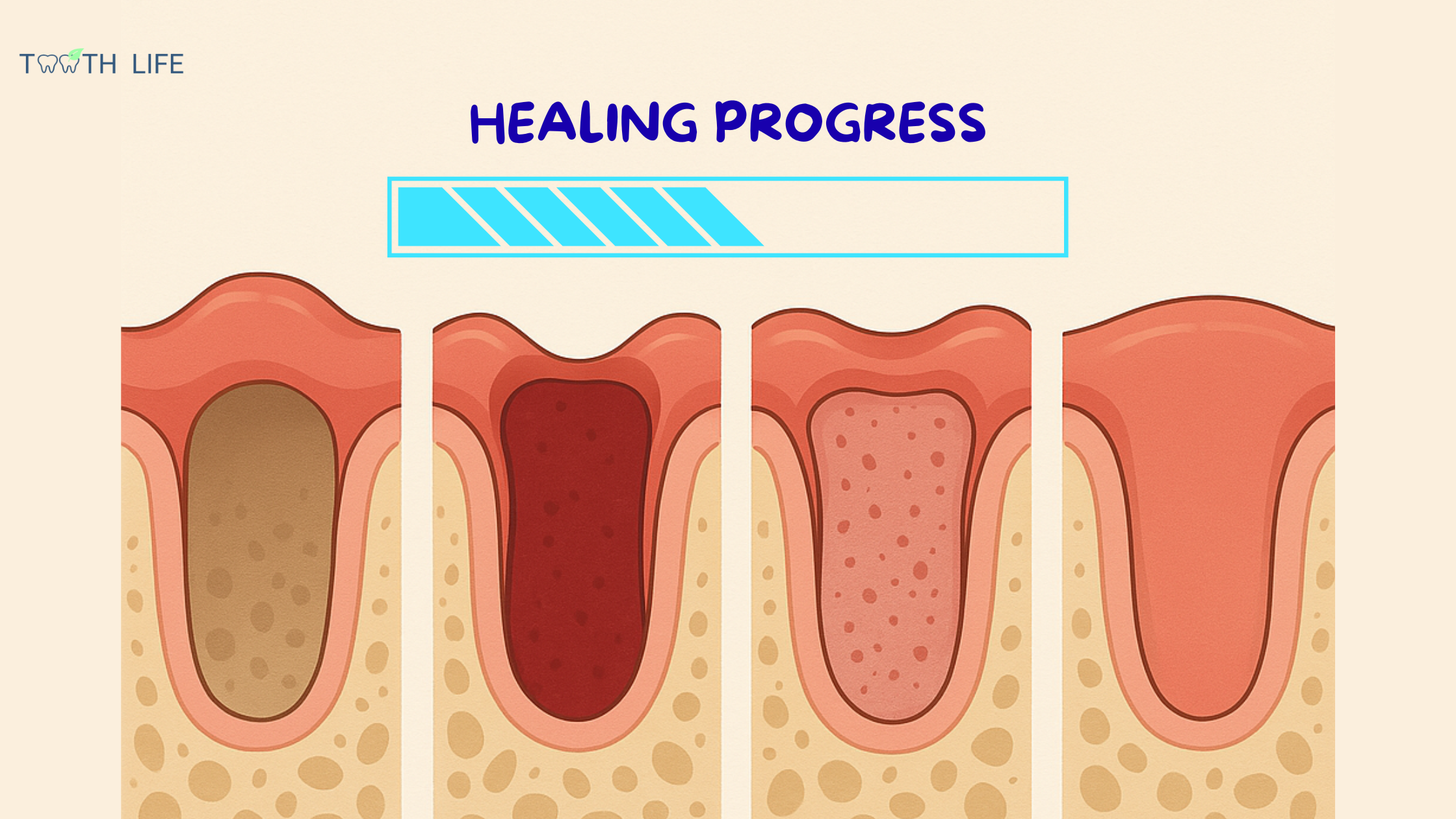
You don’t have to guess when it’s time to stop. Look for these clear indicators:
- Gauze comes out clean or faintly pink—no fresh red blood soaking through.
- The socket appears filled with a dark red, jelly-like clot—this means healing is underway.
- No metallic taste in your mouth—a persistent metallic flavor often means blood is still flowing.
- You’re not constantly swallowing to clear fluid from your mouth.
- Pain is gradually decreasing with medication, not worsening.
- Normal activities like talking or walking don’t restart bleeding.
When you can go 30–45 minutes with a gauze pad that stays mostly dry, you’ve likely passed the active bleeding phase. At this point, it’s safe—and recommended—to stop using gauze.
When to Keep Using Gauze
Not everyone heals at the same pace. Continue gauze if you notice:
- Gauze saturates with bright red blood within 30 minutes of placement.
- Blood pools in your mouth or drips when you tilt your head.
- The socket looks empty, dry, or has exposed bone—this could mean the clot is missing.
- You feel increasing pain when removing gauze, which may indicate clot disturbance.
- You’re on blood thinners (like warfarin, aspirin, or fish oil), which can delay clotting.
Urgent: If heavy bleeding continues for more than 2 hours despite continuous pressure, contact your dentist immediately.
Risks of Leaving Gauze In Too Long
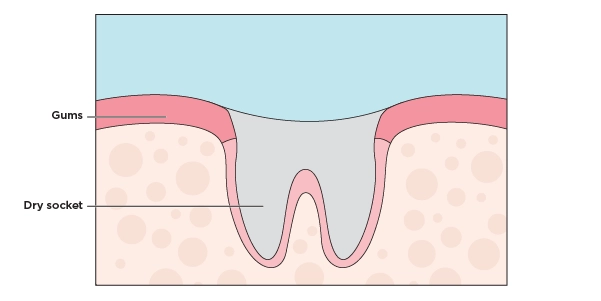
While gauze is helpful early on, prolonged use can do more harm than good.
Dry Socket (Alveolar Osteitis)
The biggest risk is dry socket, which occurs when the blood clot is dislodged or dissolves prematurely. If gauze dries out and sticks to the clot, pulling it off can rip the clot away—exposing bone and nerve endings. This leads to severe pain, bad breath, and a foul taste, usually starting 2–4 days after extraction. Dry socket affects up to 30% of wisdom tooth removals and requires a medicated dressing from your dentist.
Delayed Healing and Infection
Constant pressure irritates the wound, slowing tissue repair. Reusing gauze or using non-sterile material introduces bacteria. Moist gauze left too long becomes a breeding ground for infection.
Choking Hazard
Never sleep with gauze in your mouth. You could accidentally inhale or swallow it. After 24 hours, gauze is no longer needed—even if you feel “safer” with it.
What to Do After Stopping Gauze
Once gauze is out, shift to gentle healing practices:
- Start salt water rinses after 24 hours: Mix ½ tsp salt in 8 oz warm water. Swish gently after meals to keep the socket clean.
- Use cold compresses for the first 48 hours (15 minutes on, 15 minutes off) to reduce swelling. Switch to warm compresses afterward to boost healing.
- Stick to soft, cool foods like yogurt, mashed potatoes, and smoothies. Avoid hot liquids, straws, and chewing near the site.
- Avoid smoking, vaping, and alcohol for at least 72 hours—nicotine reduces blood flow and increases dry socket risk.
- Take pain relievers as directed, but avoid aspirin, which can increase bleeding.
Special Case: Wisdom Tooth Extraction
Wisdom tooth removal often involves larger sockets and bone work, meaning more bleeding and higher risk.
- Gauze may be needed for 3–4 hours or intermittently up to 24 hours.
- Dry socket risk is higher, especially in lower wisdom teeth.
- Swelling and pain peak at 48–72 hours—use ice early, then warm compresses.
- Follow your surgeon’s instructions exactly—they may recommend special dressings or clot-preserving gels.
Emergency Signs: When to Call Your Dentist
Seek help immediately if you experience:
- Uncontrolled bleeding that soaks gauze every 10–15 minutes.
- Severe pain 2–4 days post-op that radiates to your ear or temple.
- Foul odor, visible bone, or pus—signs of dry socket or infection.
- Fever, worsening swelling, or trouble breathing/swallowing.
Don’t wait: Prompt care prevents complications and speeds recovery.
FAQs: Quick Answers
How long should the first gauze stay in?
30–45 minutes of uninterrupted pressure.
Can I sleep with gauze?
No—it’s a choking hazard and can pull out the clot.
Is pink saliva normal?
Yes, for up to 24–48 hours. Bright red blood is not.
Can I use a tea bag?
Yes. A damp black tea bag contains tannins that help stop bleeding.
Does gauze prevent dry socket?
Only if used correctly. Overuse or improper removal causes dry socket.
When can I eat?
Remove gauze first. Stick to soft, cool foods and avoid the extraction side.
Final Timeline: When to Stop Gauze (Quick Reference)
| Time After Extraction | Action |
|---|---|
| 0–45 minutes | Keep first gauze in, bite down firmly |
| 1–4 hours | Replace every 30–45 minutes if bleeding continues |
| 4–6 hours | Stop if gauze is clean or lightly pink |
| 24 hours | Discontinue completely—no exceptions |
| Beyond 24 hours | Use salt rinses, not gauze |
Gauze is a short-term tool, not a long-term solution. Use it to control bleeding in the first few hours, then let your body heal naturally. Watch for signs of clot stability, avoid risky behaviors, and when in doubt—call your dentist. Healing starts with a healthy blood clot, and knowing when to stop using gauze after tooth extraction is one of the simplest, most effective ways to protect it.